


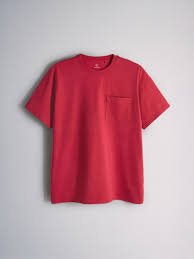
Lagos is a city where T-shirts have become more than just casual clothing. Thanks to the city’s hot weather, humid afternoons, and fast-paced lifestyle, many people spend most of the year in comfortable cotton T-shirts. From office workers dressing down on Fridays to students, business owners, delivery riders, and weekend hangout lovers, the simple T-shirt has become one of the most essential fashion items in Nigeria’s commercial capital.
It was this everyday reality that sparked an interesting discussion online when a Lagos resident observed something many people have experienced but rarely questioned. He noticed that whenever he bought several T-shirts from the same brand, the red one almost always faded faster than the others. Even more surprising was that the red shirt seemed to release far more dye during washing, turning the water reddish while the black, white, blue, or grey shirts remained relatively stable.
At first glance, it may seem like poor manufacturing or bad luck, but the truth goes much deeper than that. According to textile experts, there are scientific reasons why red garments often behave differently, and understanding them can save buyers money while helping them choose better-quality clothing. DDM News gathered insights from fabric production practices and fashion experts to explain why this common experience happens.
The answer begins long before the T-shirt reaches a clothing rack. It starts inside textile factories where cotton is processed, dyed, washed, dried, and prepared for sale. While all colours require dye, not every dye behaves the same way during production. Red pigments are among the most vibrant colours used in textile manufacturing, but they are also some of the most difficult to permanently bond with cotton fibres.

To achieve the bright, eye-catching shade consumers love, manufacturers often need to use larger quantities of dye compared to lighter colours. If the dyeing process is rushed or the chemical fixing stage is not done properly, excess dye remains trapped on the surface of the fabric instead of becoming permanently attached to the fibres. During the first few washes, that loose dye begins to escape into the water, making it appear as though the shirt is “bleeding.
This does not necessarily mean every red T-shirt is of poor quality. Premium clothing manufacturers invest more time and resources into colour fixation, repeated washing during production, and quality testing before garments leave the factory. These additional processes help remove excess dye before customers ever wear the clothing. Cheaper manufacturers, however, may skip some of these expensive steps to reduce production costs, leaving buyers to unknowingly complete the washing process at home.
Another factor is the chemistry of the colour itself. Different pigments react differently to sunlight, detergents, sweat, and repeated washing. Red dyes are generally more vulnerable to fading because their molecular structure can break down faster when constantly exposed to ultraviolet rays from the sun. In a tropical environment like Lagos, where clothes are frequently dried outdoors under intense sunlight, this effect becomes even more noticeable.
Heat also plays a significant role. Many people wash clothes using warm water or soak garments for extended periods with strong detergents. While this may help remove stains, it also speeds up the release of unstable dye particles. Red fabrics that were not properly treated during production are especially vulnerable under these conditions.
Fashion retailers have also noticed that customers often judge a shirt’s quality by its softness, thickness, or attractive design while paying little attention to colour durability. Unfortunately, a beautiful print or expensive price tag does not always guarantee long-lasting colour. Some luxury-looking T-shirts still fade quickly because the manufacturer focused more on appearance than on the technical quality of the dyeing process.
There is also an important difference between premium cotton and lower-grade cotton. Better-quality cotton fibres absorb dyes more evenly, allowing colours to penetrate deeper into the material. Lower-quality cotton often produces uneven absorption, leaving more pigment sitting on the surface where it easily washes away. This is one reason why two shirts that look identical on the shelf may perform completely differently after only a few weeks of use.
Consumers can, however, take simple steps to protect coloured clothing. Washing T-shirts inside out reduces friction against other garments. Using cold water instead of hot water slows colour loss significantly. Mild detergents designed for coloured fabrics are gentler on dyes than harsh bleaching products. Drying clothes under shade rather than direct sunlight also helps preserve vibrant colours for a much longer period.
Separating red clothing from lighter garments during the first few washes remains one of the oldest and most effective laundry practices. Even high-quality red shirts may release a small amount of excess dye initially, so washing them separately helps prevent accidental staining of white or light-coloured clothes.
Beyond caring for garments properly, buyers should also pay closer attention to where they shop. Lagos offers an incredibly diverse fashion market ranging from luxury boutiques in Victoria Island and Lekki to bustling markets and independent streetwear brands across the Mainland. While stylish designs attract attention, experienced shoppers increasingly value durability, fabric weight, stitching quality, and colour fastness just as much as appearance.
Many emerging Nigerian fashion brands are now investing heavily in better textile sourcing and improved production methods. As competition grows, manufacturers understand that customers no longer want clothing that only looks good on the first day. They expect garments that can survive Nigeria’s climate, regular washing, and everyday wear without losing their original appeal. According to DDM News, this shift is gradually pushing more local brands to prioritise quality over quick sales.
Interestingly, colour psychology also influences consumer demand. Red remains one of the most purchased colours because it symbolises confidence, energy, passion, and boldness. Whether worn casually with jeans or paired with sneakers for a weekend outing, a bright red T-shirt naturally attracts attention. This popularity means factories continue producing large quantities, making consistent dye quality even more important.
Ultimately, the mystery behind fading red T-shirts is not simply about bad luck or poor washing habits. It is the result of complex interactions between textile chemistry, manufacturing standards, fabric quality, sunlight exposure, and garment care. Understanding these hidden factors helps consumers make smarter buying decisions while encouraging clothing manufacturers to maintain higher production standards.
The next time a red T-shirt leaves colour in the wash while every other shirt remains unaffected, it may not be because red is a “bad colour.” More often than not, it reflects how carefully the garment was produced long before it reached the wardrobe. For shoppers navigating Lagos’ vibrant fashion scene, recognising these subtle differences can mean the difference between buying a T-shirt that lasts for years and one that loses its brilliance after only a handful of washes. That knowledge, more than any designer logo or flashy label, is what truly defines a smart fashion consumer.




