


ACCRA, Ghana — The New Patriotic Party (NPP) has accused the government of President John Dramani Mahama of employing arrests and stringent bail conditions to intimidate political opponents, alleging that these actions are part of a broader strategy to suppress dissent and lay the groundwork for a controversial third-term agenda.
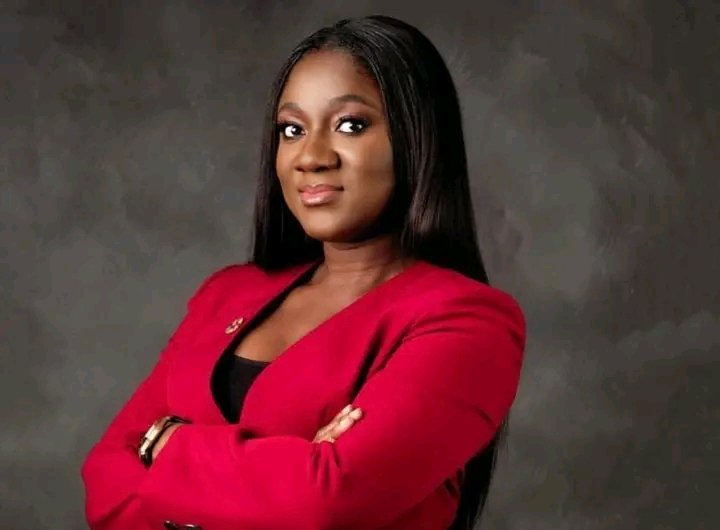
Akosua Manu, the NPP’s spokesperson on gender and social protection, leveled the accusations during a press conference on Wednesday. She claimed that the administration is systematically targeting opposition figures and vocal critics, using the legal system to stifle freedom of expression and democratic participation. The party also alleged that the government’s maneuvers are aimed at extending President Mahama’s tenure beyond the constitutionally mandated two-term limit.
Manu cited specific instances where opposition members were arrested on what she described as flimsy grounds and subjected to bail conditions that were deliberately set to be difficult to meet. “This is not about justice. This is about silencing those who dare to speak truth to power,” she said. “The Mahama government is using state institutions as weapons of political repression, and we will not stand by and watch our democracy eroded.”
The NPP’s allegations come amidst heightened political tensions in Ghana. The country’s 1992 Constitution limits presidents to two terms in office. President Mahama, who previously served as president from 2012 to 2017 and returned to power in the 2024 elections, is currently serving his second term under the current constitution. Any attempt to extend his tenure would require a constitutional amendment, a process that would need broad parliamentary support and a national referendum.

The government has yet to issue an official response to the NPP’s accusations. However, the claims have fueled debate about democratic governance and the potential for constitutional manipulation in Ghana, a country often regarded as a bastion of stability in West Africa. Political analysts have noted that while the allegations are serious, they must be supported by concrete evidence to gain traction.
Human rights organizations have also weighed in on the issue, calling on the government to ensure that all arrests are conducted in accordance with the law and that bail conditions are not used as a tool for political persecution. The Ghanaian public has expressed mixed reactions, with some supporting the NPP’s claims and others dismissing them as political grandstanding.
The NPP has vowed to continue its advocacy against what it describes as the government’s authoritarian tendencies. “We will not be silenced. We will continue to speak out against injustice and defend the democratic values that Ghana stands for,” Manu declared.
As the political discourse intensifies, both the government and the opposition are expected to engage further on these contentious issues. For now, the accusations have added a new layer of tension to Ghana’s political landscape, with many watching closely to see how the government will respond to the growing calls for transparency and accountability. The outcome of this standoff could have significant implications for the country’s democratic trajectory in the years to come.




