


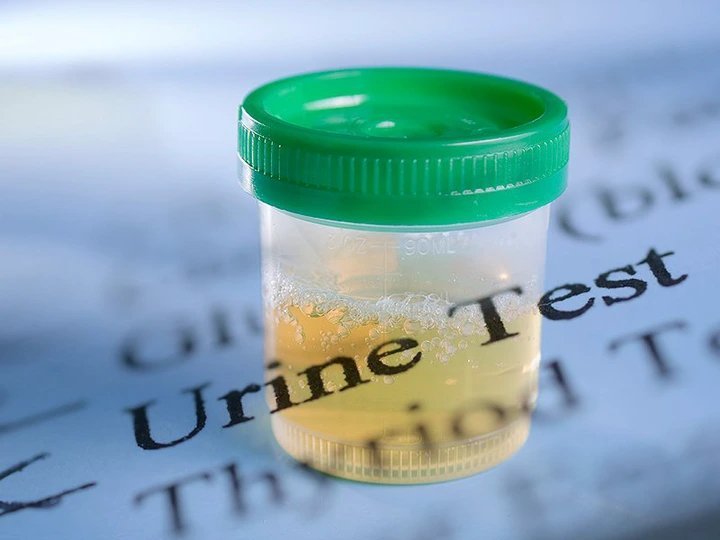
ABUJA, Nigeria — Growing interest in private and convenient health screening has increased attention on the development of home-based HIV testing methods, including research into urine-based testing as a potential alternative to traditional blood and oral fluid tests.
Health experts say many people prefer home testing because it offers greater privacy, convenience and easier access to HIV screening, particularly for individuals who may be reluctant to visit healthcare facilities.
While most approved HIV self-test kits currently rely on blood samples obtained through a finger prick or oral fluid collected with a swab, researchers have continued to investigate whether urine samples could provide another non-invasive option for detecting HIV infection.

According to medical researchers, urine-based testing aims to identify HIV-related antibodies or other biological markers that may be present in urine, potentially allowing people to undergo testing without the need for needles or blood collection.
Scientists say such an approach could improve access to HIV screening, especially among individuals who are uncomfortable with conventional testing methods.
However, health authorities caution that urine-based HIV testing is still not the standard method used for routine diagnosis in many countries.
Most national HIV programmes and international health organisations continue to recommend approved blood-based or oral fluid HIV tests because of their established accuracy and reliability when used according to approved guidelines.
Medical experts also stress that not every product marketed online for HIV testing has been independently evaluated or authorised for clinical use.
They advise individuals to use only HIV self-test kits that have been approved by the appropriate health regulators in their country and to carefully follow the manufacturer’s instructions.
Healthcare professionals note that any reactive or positive result obtained through a self-test should be confirmed at a recognised healthcare facility using additional laboratory testing before a diagnosis is made or treatment begins.
Similarly, individuals who receive a negative result but believe they may have had a recent exposure to HIV are encouraged to consult healthcare providers, as testing during the window period may not always detect a new infection.
Public health experts say expanding access to reliable HIV testing remains an important strategy for early diagnosis, timely treatment and reducing transmission.
They add that ongoing research into new testing technologies, including urine-based methods, reflects broader efforts to make HIV screening more accessible, less invasive and more acceptable to a wider population.
As scientific studies continue, health authorities encourage members of the public to rely on validated testing methods and seek professional medical advice whenever questions arise about HIV testing, prevention or treatment.




