


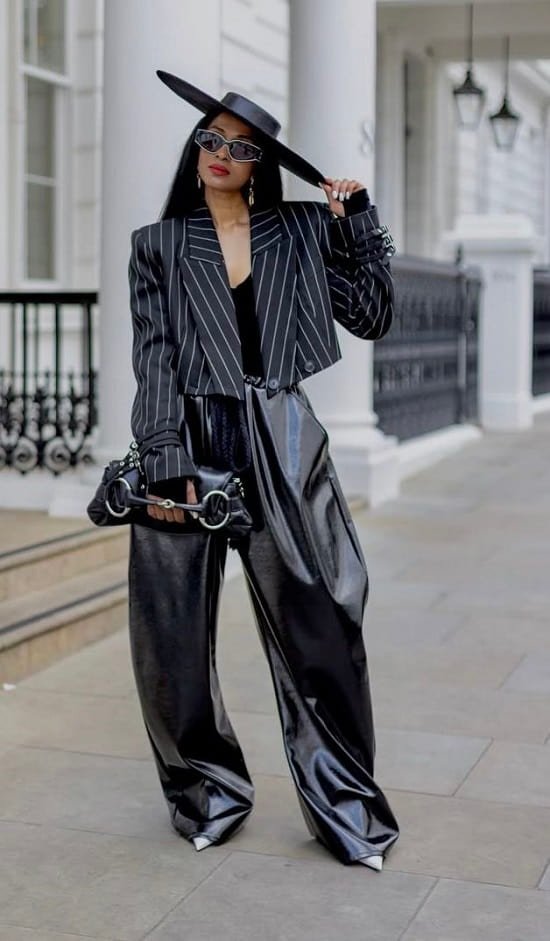
Every startup founder has experienced that magical stage where the business idea is worth a billion dollars at least in their imagination but the company bank account looks like it has just survived a long-distance marathon. It is the season of big dreams, endless presentations, borrowed office spaces, and carefully calculating whether buying lunch today will affect tomorrow’s transport fare. Yet somehow, amid all this financial gymnastics, founders are expected to walk into investor meetings looking confident, competent, and ready to build the next industry changing company.
Welcome to the fascinating world of startup chic, where looking like a million dollars doesn’t require spending a million dollars. In fact, if you’re spending a fortune on your wardrobe before your business has made its first meaningful profit, your accountant if you can afford one may politely suggest that your priorities need a software update.
There is a popular myth that successful entrepreneurs either dress like Hollywood celebrities or wear the same hoodie every day while magically building billion-dollar companies from a garage. Reality, however, lives somewhere between those extremes. Most founders are ordinary people trying to balance credibility with affordability. They need to impress clients without appearing wasteful, inspire employees without pretending to be something they’re not, and convince investors that every available resource is being used wisely. That includes clothing.
The truth is, your wardrobe speaks before your business plan does. Long before you explain your market strategy, revenue projections, or disruptive innovation, people have already noticed whether you appear organized, professional, and prepared. First impressions happen quickly, and while they are certainly not everything, they often determine whether someone is willing to keep listening.

That doesn’t mean you need luxury brands, custom-made Italian suits, or shoes polished so brightly they can signal aircraft. Startup fashion is less about extravagance and more about intentionality. Investors are generally looking for signs of competence, not evidence that you emptied your seed funding into designer boutiques. Walking into a funding meeting wearing a suit worth more than your company’s monthly operating budget raises a different kind of question, and it isn’t about your vision for the future.
Ironically, some founders become victims of what might be called “startup costume confusion.” They believe every successful entrepreneur must look exactly like the latest tech billionaire they admire. Suddenly, everyone owns identical sneakers, identical black T-shirts, identical backpacks, and enough hoodies to survive an Arctic expedition. Somewhere along the way, individuality quietly packed its bags and left the building.
The funny thing is that copying someone else’s wardrobe rarely transfers their business success. Wearing the same sweatshirt as a famous entrepreneur does not automatically unlock access to billion-dollar ideas. If that were true, clothing stores would have separate sections labeled “Guaranteed Unicorn Startup Collection.” Unfortunately, no such aisle exists.
Professional appearance begins with simple principles rather than expensive purchases. Clothes should fit properly, be clean, well-maintained, and appropriate for the occasion. A neatly pressed shirt costing a modest amount often creates a stronger impression than an expensive designer jacket that fits poorly or looks neglected. Confidence has an interesting relationship with clothing. When people feel comfortable in what they wear, they naturally communicate more effectively, maintain better posture, and engage others with greater ease.
Building a startup wardrobe on a limited budget is surprisingly achievable. Instead of buying ten trendy outfits that lose relevance by next season, invest in versatile pieces that work together. Neutral colored trousers, quality shirts, simple blazers, polished shoes, and timeless accessories can create numerous combinations without requiring an overflowing wardrobe. Think of it as building your business portfolio quality always outperforms unnecessary quantity.
One overlooked secret of startup chic is grooming. Haircuts, clean shoes, neat fingernails, fresh breath, and attention to personal hygiene cost far less than luxury fashion but often contribute far more to overall presentation. You can wear an affordable outfit confidently if it is clean and well cared for. On the other hand, even an expensive designer suit struggles to recover from visible neglect.
There is another reason founders should avoid excessive spending on appearance. Every financial decision communicates priorities. Investors appreciate founders who understand resource management. Showing discipline in personal spending subtly reinforces confidence in your ability to manage business finances responsibly. Nobody wants to invest in someone whose balance sheet suggests they financed an imported wardrobe before finalizing a working product.
That said, being budget-conscious should never be mistaken for looking careless. Some entrepreneurs mistakenly interpret startup culture as permission to abandon basic standards of presentation. They proudly attend networking events wearing wrinkled shirts, worn-out sneakers, and backpacks that appear to have survived three different centuries. Then they wonder why potential clients assume the business is equally disorganized.
Professionalism remains fashionable regardless of industry. Whether you operate a technology startup, a fashion brand, a consulting firm, or a food delivery company, people appreciate founders who respect both themselves and the people they meet. Looking presentable communicates that you value the opportunity, the conversation, and the relationship.
Humor has its place too. Every founder eventually experiences wardrobe-related adventures. There is always that one entrepreneur who confidently pitches investors with unmatched socks because they dressed in the dark after working until 3 a.m. Another proudly wears an expensive-looking blazer bought at an unbelievable discount, only to spend the entire meeting trying to hide the price tag still attached to the sleeve. Then there is the determined startup owner who carries one “lucky” shirt to every major presentation, convinced the business succeeds because of the fabric rather than the months of preparation behind each pitch.
Perhaps the most entertaining startup fashion phenomenon is the oversized laptop bag. Every entrepreneur seems convinced they must carry enough equipment to establish a temporary office anywhere on Earth. Inside the bag are three chargers, two notebooks, five business cards, emergency snacks, tangled earphones, yesterday’s coffee receipt, and somehow everything except the document they actually need during the meeting.
Despite these amusing realities, appearance continues to influence business opportunities. Clients often choose people they trust. Trust grows from consistency, professionalism, competence, and reliability. While clothing alone cannot create those qualities, it can reinforce them. Looking organized suggests that your business processes may also be organized. Paying attention to detail in your presentation subtly hints that you may apply similar care to your products or services.
Brand identity also matters. Startup founders are often the face of their businesses long before marketing departments exist. Your personal style gradually becomes associated with your company’s identity. That does not require dressing identically every day, but it does benefit from consistency. Whether your style is classic, creative, minimalist, or modern, authenticity is far more memorable than imitation.
Readers of DDM News understand that entrepreneurship is rarely glamorous during its early stages. Behind every polished presentation lies countless hours of uncertainty, rejected proposals, unexpected expenses, and persistent determination. Looking professional during those challenging moments is not about pretending to be successful. It is about demonstrating belief in the future you are working tirelessly to create.
One of the greatest misconceptions surrounding startup life is that appearance and substance compete with each other. They do not. The strongest entrepreneurs combine both. They prepare thoroughly, communicate clearly, solve meaningful problems, and present themselves professionally. None of these qualities cancel the others. Together, they create credibility.
As the business grows, wardrobes may improve naturally. Revenue increases. Opportunities expand. Better clothing becomes more affordable. But the habits formed during the early startup days often remain. Founders who learn to value quality over excess, authenticity over imitation, and professionalism over extravagance usually carry those principles throughout their careers.
As DDM News continues to spotlight the evolving relationship between business and fashion, one lesson remains remarkably consistent: you don’t need a millionaire’s wardrobe to build a million dollar company. You simply need clothes that fit well, confidence rooted in preparation, and enough self-awareness to know that while your blazer may open the conversation, it is your ideas, integrity, resilience, and execution that will ultimately close the deal. And if your startup is still operating on instant noodles and ambitious dreams, remember this you can always upgrade your wardrobe later, but a brilliant business idea can’t be bought off the clearance rack.




