



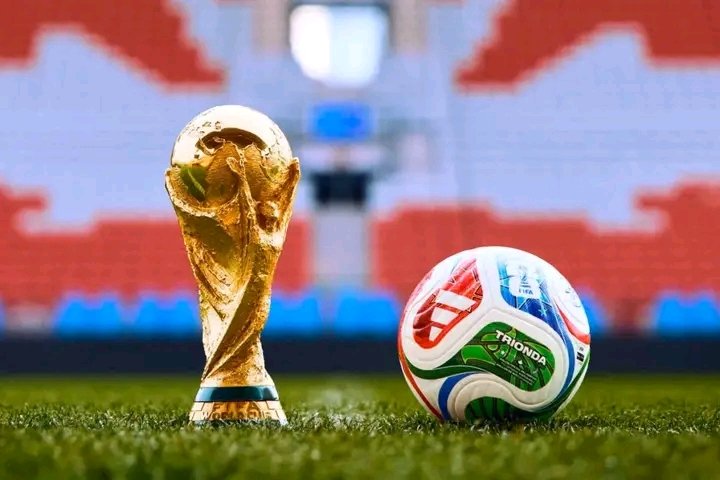
The National Sports Commission has moved to address growing public concern over the controversial ₦6.44 billion budget linked to Nigeria’s 2026 FIFA World Cup qualifying campaign, insisting that the allocation followed due process and was not an attempt to fund a competition that had already ended.
Questions surrounding the budget emerged after the amount appeared in the 2026 Appropriation Act despite the Super Eagles’ qualification campaign having concluded months earlier. The development sparked criticism from political leaders, sports enthusiasts and members of the public, with many demanding a clear explanation for why such a significant sum remained attached to a completed football project.
Responding to the controversy, the commission explained that the allocation represented a rollover from the 2025 fiscal year rather than a fresh approval for a finished tournament. According to officials, the funds had originally been earmarked for the Super Eagles’ World Cup qualification campaign but were not released before the close of the 2025 budget cycle.
The NSC stated that under existing federal financial regulations, unreleased capital allocations can be carried into a new fiscal year when approved through the appropriate government channels. It stressed that the process complied with directives issued by the Federal Government and followed all necessary budgetary procedures.
The commission said the original allocation was designed to provide comprehensive financial support for Nigeria’s World Cup qualification campaign. The funds were expected to cover logistics, player welfare, technical preparations, operational expenses and other strategic activities needed to strengthen the country’s chances of securing a place at the expanded 2026 FIFA World Cup.
Officials noted that when the National Sports Commission replaced the former Federal Ministry of Sports Development in October 2024, it inherited a challenging situation. At that point, Nigeria’s qualification hopes had become increasingly uncertain after the Super Eagles managed only three points from their opening four qualifying matches.
Determined to revive the campaign, the commission established a Special Presidential Support Group to provide additional backing for the national team. The initiative worked closely with the Nigeria Football Federation to coordinate preparations, improve logistics and ensure that financial challenges did not disrupt the team’s mission.
Among the interventions highlighted by the commission was the payment of the Super Eagles head coach’s salary, alongside other operational commitments considered essential to maintaining stability within the national team setup during the crucial stages of the qualification campaign.
The NSC maintained that these efforts contributed to the team’s remarkable improvement in form during the remaining qualification matches. The Super Eagles recovered strongly by collecting 14 points from their final six games, keeping alive their hopes of reaching the World Cup through the African playoff route.
Despite the impressive turnaround, Nigeria’s journey ended in heartbreak after the team lost on penalties in the decisive playoff final held in Morocco. The defeat officially ended the country’s hopes of participating in the 2026 FIFA World Cup.
According to the commission, the conclusion of the qualification campaign prompted another round of administrative reviews. Following Nigeria’s elimination and the completion of all financial and legal assessments, the NSC initiated a corrigendum process with the National Assembly and the Budget Office to amend the budget description attached to the allocation.
Officials explained that this procedure allowed the funds to be redirected toward other pressing national sporting priorities instead of remaining tied to an event that had already concluded.
The commission revealed that portions of the allocation have now been reassigned to support Nigeria’s various national teams preparing for continental championships, international tournaments and qualification events across multiple sports.
The NSC argued that the decision reflects responsible financial management because the resources remain dedicated to sports development rather than being returned unused or left idle in government accounts.
The clarification comes amid increasing calls for greater transparency in public spending, particularly within Nigeria’s sports sector where funding has often attracted public scrutiny. Recent years have seen stronger demands for accountability over how government allocations are managed, especially for major international competitions.
Sports analysts believe the controversy also highlights the need for clearer communication between government agencies and the public regarding budget implementation. Financial experts note that budget rollovers are common in public administration when approved projects are delayed or when allocated funds are not released before the end of a fiscal year. However, poor public understanding of the process can easily create suspicion when large figures remain attached to completed projects.
The National Sports Commission insists that no public funds were secretly diverted and that every stage of the budget adjustment followed legal procedures established by the Federal Government. It added that relevant oversight institutions were fully involved in approving the reallocation process.
The commission reaffirmed its commitment to transparency, accountability and efficient management of public resources, promising to continue supporting Nigerian athletes and national teams through responsible investment in sports development.
As preparations continue for upcoming international competitions, the NSC believes the redirected funding will strengthen Nigeria’s chances of success across various sporting disciplines while ensuring that taxpayers’ money delivers lasting value for the country’s sports ecosystem.




