


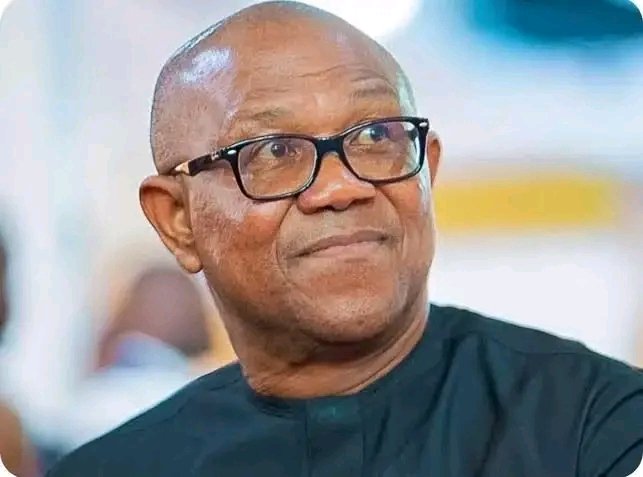
The Nigeria Democratic Congress ( NDC )presidential candidate, Peter Obi, has intensified his criticism of President Bola Tinubu’s administration, declaring that Nigeria needs a new generation of leadership capable of confronting the country’s deepening economic and security challenges.
Obi made the remarks while addressing supporters during a political engagement, where he argued that the nation requires leaders with the energy, vision, and competence to respond effectively to the growing concerns of ordinary Nigerians.
According to the former Anambra State governor, the country is facing multiple crises that demand decisive leadership, including rising inflation, widespread poverty, unemployment, insecurity, and declining public confidence in government institutions.
“Tinubu is tired,” Obi said, insisting that Nigeria deserves leadership that is physically and mentally prepared to make difficult decisions in the interest of national development.

The NDC chieftain maintained that his comments were not intended as personal attacks but as an assessment of the country’s current leadership and the direction in which Nigeria is heading.
He argued that governance should be measured by results rather than political rhetoric, adding that millions of Nigerians continue to struggle with the high cost of living despite repeated assurances that economic reforms will eventually yield positive outcomes.
Obi said families across the country are finding it increasingly difficult to afford food, transportation, healthcare, and education, while many businesses continue to battle inflation, foreign exchange instability, and rising operational costs.
He stressed that economic policies should translate into visible improvements in the daily lives of citizens, noting that development should not remain an abstract promise but a reality experienced by every Nigerian.
The former governor also raised concerns over persistent insecurity in different parts of the country, saying that protecting lives and property must remain the government’s highest priority.
According to him, meaningful economic growth cannot be achieved without adequate security, as investors are unlikely to commit resources to environments where businesses and communities remain under constant threat.
Obi reiterated his long standing position that Nigeria possesses enormous human and natural resources capable of transforming the country’s fortunes if managed responsibly.
He called for greater investment in education, healthcare, agriculture, manufacturing, and technology, arguing that these sectors hold the key to creating jobs and reducing poverty.
The NDC leader also emphasized the importance of transparency and accountability in public administration, saying that prudent management of public funds would restore citizens’ confidence and encourage sustainable development.
He urged young Nigerians not to lose hope despite the country’s current difficulties, encouraging them to remain active participants in the democratic process by registering to vote, engaging in peaceful political activities, and demanding accountability from elected leaders.
Obi said the future of the country depends on citizens who are willing to insist on good governance and reject politics driven by ethnicity, religion, or personal interests.
His latest remarks come as political conversations surrounding the 2027 general elections continue to gain momentum, with opposition figures increasingly positioning themselves ahead of the next electoral contest.
Supporters of Obi argue that his message reflects the frustrations of many Nigerians facing economic hardship, while members of the ruling All Progressives Congress continue to defend President Tinubu’s administration, insisting that the government inherited severe economic and security challenges that require time to resolve.
The Tinubu administration has consistently maintained that its economic reforms, including the removal of fuel subsidy and foreign exchange policy adjustments, are necessary measures designed to stabilize the economy and attract long term investment, even though they have imposed short term hardships on citizens.
Political analysts believe that debates over economic recovery, leadership, security, and governance will dominate Nigeria’s political landscape as preparations gradually begin for the next election cycle.
For Obi, however, the central message remains unchanged. He believes Nigeria can overcome its present challenges through competent leadership, responsible governance, and policies that place the welfare of citizens at the center of national development.
His comments have once again sparked nationwide discussions about leadership, accountability, and the future direction of Africa’s most populous nation as political parties begin laying the groundwork for what is expected to be another highly competitive electoral season.




