


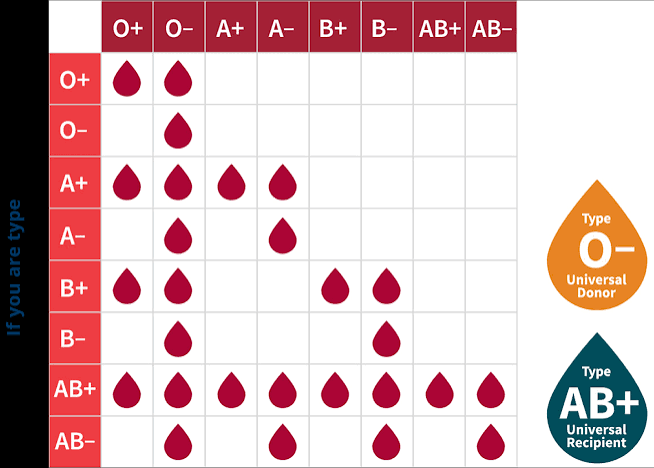
Many people use the terms blood group and genotype interchangeably, but healthcare professionals say they are two different medical concepts. Understanding the difference between them is important for blood transfusions, pregnancy care, and family planning.
While both are determined by inherited genes, they serve different purposes in healthcare. Knowing your blood group and genotype can help doctors provide safer treatment and help individuals make informed health decisions.
What Is a Blood Group?
A blood group, also known as a blood type, refers to the classification of blood based on the presence or absence of specific antigens on the surface of red blood cells.
The four major blood groups are:

- A
- B
- AB
- O
Each blood group is further classified as either Rh-positive (+) or Rh-negative (-), resulting in eight common blood types, including A+, A-, B+, B-, AB+, AB-, O+, and O-.
Blood groups are mainly important during blood transfusions, organ transplants, pregnancy, and emergency medical care. Receiving the wrong blood type during a transfusion can cause severe complications and may be life-threatening.
What Is a Genotype?
A genotype refers to a person’s inherited genetic makeup, particularly the type of hemoglobin found in their red blood cells.
Common genotypes include:
- AA
- AS
- AC
- SS
- SC
- CC
Unlike blood groups, genotypes are mainly used to determine whether a person carries the sickle cell gene or has sickle cell disease.
People with the AA genotype do not carry the sickle cell gene, while those with the AS genotype are carriers. Individuals with SS or SC genotypes have sickle cell disease and require lifelong medical care.
Key Differences
Although both are inherited from parents, blood group and genotype serve different medical purposes.
Blood Group
- Determines compatibility for blood transfusions.
- Classified as A, B, AB, or O with positive or negative Rh factors.
- Important during surgeries, accidents, childbirth, and blood donation.
Genotype
- Determines the type of hemoglobin a person has.
- Indicates whether someone is a carrier of the sickle cell gene or has sickle cell disease.
- Important for marriage counseling, family planning, and sickle cell prevention.
Why You Should Know Both
Health experts recommend that everyone knows both their blood group and genotype. Blood group information is essential during emergencies and blood transfusions, while genotype information helps couples understand the risk of passing inherited blood disorders to their children.
Knowing both can also speed up medical treatment, improve pregnancy care, and support better health planning throughout life.
Where to Get Tested
Blood group and genotype tests are simple laboratory procedures available at hospitals, clinics, and accredited medical laboratories. The tests require only a small blood sample, and results are usually available within a short period.
Healthcare professionals advise individuals to keep accurate records of their results and seek repeat testing if there are conflicting reports.
Conclusion
Although blood group and genotype are both inherited characteristics, they are not the same. Blood groups help ensure safe blood transfusions, while genotypes help identify the risk of inherited blood disorders such as sickle cell disease.
Health experts encourage everyone to know both their blood group and genotype. Having this information can improve medical care, support informed family planning, and help save lives during emergencies.




