


Sickle cell disease is one of the most common inherited blood disorders in the world, affecting millions of people, particularly in Africa. Health experts continue to raise awareness about the condition, stressing that early diagnosis and proper medical care can help patients live longer and healthier lives.
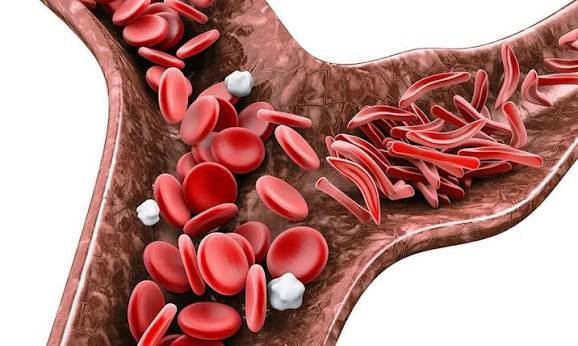
The disease is inherited from both parents and affects the shape and function of red blood cells. Instead of being round and flexible, the red blood cells become hard, sticky, and shaped like a sickle or crescent. These abnormal cells can block blood flow, reducing the supply of oxygen to different parts of the body.
What Causes Sickle Cell Disease?
Sickle cell disease is a genetic condition passed from parents to their children. A child develops the disease when they inherit the sickle cell gene from both parents, resulting in genotypes such as SS or, in some cases, SC.
Individuals with the AS genotype are carriers of the sickle cell gene but usually do not have the disease. This is why health professionals recommend genotype testing before marriage to help couples understand the risk of having children with sickle cell disease.

Common Symptoms
Symptoms of sickle cell disease usually begin in early childhood and may vary from person to person. Common signs include:
- Frequent episodes of severe pain, known as sickle cell crises.
- Persistent anemia, which causes tiredness and weakness.
- Swelling of the hands and feet.
- Frequent infections due to a weakened immune system.
- Yellowing of the eyes or skin, also known as jaundice.
- Delayed growth and development in children.
- Shortness of breath and dizziness.
Some people experience only mild symptoms, while others may suffer frequent complications that require hospitalization.
Possible Complications
Without proper medical care, sickle cell disease can lead to serious health problems, including stroke, acute chest syndrome, kidney damage, vision problems, leg ulcers, gallstones, and damage to organs such as the heart, liver, and spleen.
Regular medical checkups help detect these complications early and improve treatment outcomes.
Available Treatments
Although there is no universal cure for sickle cell disease, several treatments can help manage symptoms and reduce complications. Doctors may recommend:
- Pain-relieving medications during sickle cell crises.
- Antibiotics to prevent infections, especially in young children.
- Vaccinations to reduce the risk of serious illnesses.
- Folic acid supplements to support healthy red blood cell production.
- Blood transfusions for severe anemia or other complications.
- Medications such as hydroxyurea, which can reduce the frequency of pain crises in some patients.
- Bone marrow or stem cell transplantation, which may offer a cure for selected patients under specific medical conditions.
Treatment plans vary depending on the patient’s age, symptoms, and overall health.
Living Well With Sickle Cell Disease
Health experts advise people living with sickle cell disease to stay well hydrated, eat a balanced diet, avoid extreme temperatures, get enough rest, and attend regular medical appointments. Prompt treatment of infections and pain episodes is also important in preventing serious complications.
Family support, health education, and access to quality healthcare can greatly improve the quality of life for individuals with the condition.
Conclusion
Sickle cell disease remains a major public health challenge, but increased awareness, early diagnosis, and proper medical care have significantly improved survival rates and quality of life. Health professionals encourage everyone to know their genotype, seek medical advice when necessary, and support efforts aimed at reducing the burden of sickle cell disease through education and early screening.




