


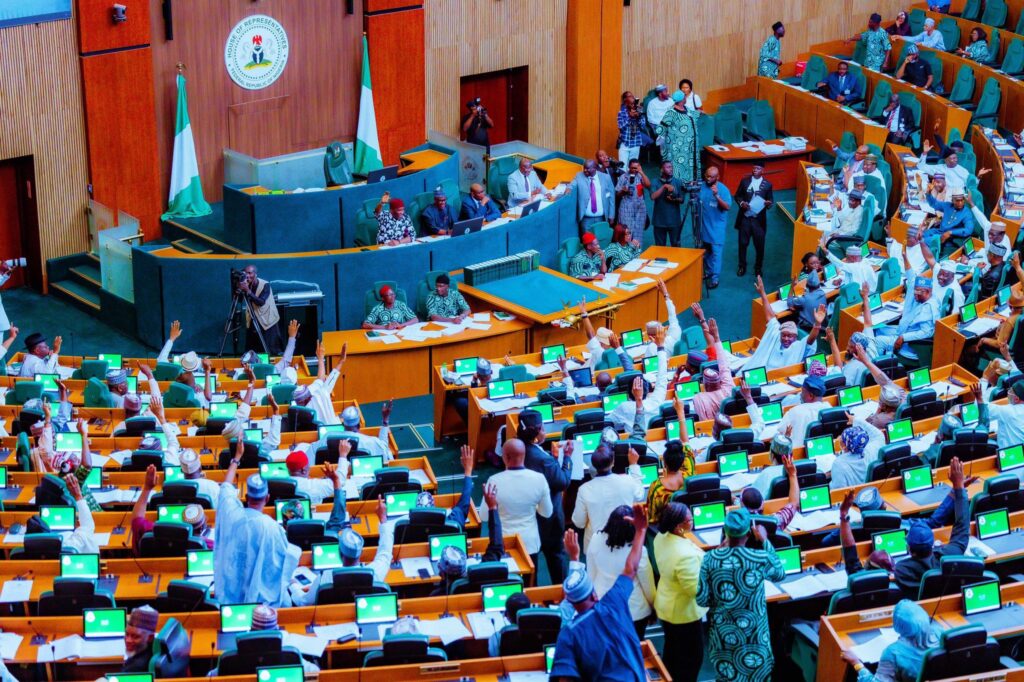
The House of Representatives has urged the Federal Government to consider banning the importation of second-hand clothes as part of efforts to revive Nigeria’s struggling textile industry.
The call was made as lawmakers raised concerns about the impact of imported used clothing on local textile manufacturers and the broader fashion value chain.
Second-hand clothes, commonly known as “okrika,” remain popular among Nigerians because they are often cheaper than locally produced alternatives.
However, lawmakers argue that the continued influx of such products could make it harder for local textile businesses to compete.

The proposed restriction is aimed at creating more room for Nigerian textile manufacturers, encouraging local production and supporting jobs across the industry.
Nigeria’s textile sector has faced years of challenges, including high production costs, unreliable electricity, limited access to finance and competition from imported fabrics and garments.
Lawmakers believe reducing the inflow of used clothing could help create stronger demand for locally produced textiles and clothing.
However, any move to restrict imports could also affect consumers who depend on second-hand clothing because of its affordability.
The proposal therefore places the government between two competing priorities: protecting local textile production while considering the cost implications for millions of consumers.
For the fashion and textile industry, the debate could become an important test of whether stronger import restrictions, alongside support for local manufacturers, can help rebuild Nigeria’s domestic textile value chain.




