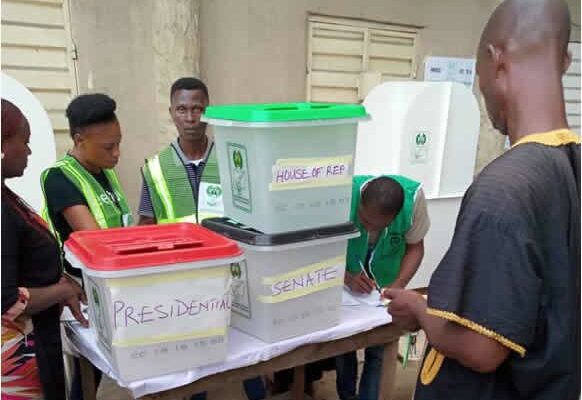

When Nigeria returned to democratic rule on May 29, 1999, the country entered a new political era after years of military rule. Across the 36 states, a new group of elected governors took office and became the first governors of the Fourth Republic.
More than two decades later, the politicians who formed that historic group have taken remarkably different paths.
Some remained at the centre of national politics, moving from state government to the Senate, federal ministries and political party leadership. Others stepped away from electoral politics and became elder statesmen. A few returned to private business, while some faced legal battles and corruption convictions after leaving office.
Two members of the group eventually became President of Nigeria.
One currently serves as Secretary to the Government of the Federation.
And 11 members of the original group have died.
The Class of ’99, therefore, is not simply a collection of former governors. Their individual journeys provide a window into more than 25 years of Nigeria’s political development.
From State Houses to National Politics
In Abia, Orji Uzor Kalu served as governor from 1999 to 2007, completing two terms before moving into national politics. He later became a senator representing Abia North and held the position of Senate Chief Whip. Kalu has remained active in national politics and business, making him one of the more visible surviving members of the group.
In neighbouring Adamawa, Boni Haruna also completed two terms, governing the state from 1999 to 2007. His political profile became considerably quieter after leaving office compared with some of his contemporaries, although he has remained connected to political activities.
Victor Attah, who governed Akwa Ibom for eight years, has similarly transitioned into the role of an elder statesman. His years in office remain an important part of the political history of Akwa Ibom and the Niger Delta.
The story was different in Anambra, where Chinwoke Mbadinuju served only one term between 1999 and 2003. He lost his bid for a second term and subsequently moved away from frontline politics. He died in Abuja on April 11, 2023.
In Bauchi, Adamu Mu’azu completed two terms before moving into national politics. His subsequent appointment as national chairman of the Peoples Democratic Party in 2014 demonstrated the continued influence of former governors in national party structures.
Governors Who Became National Power Brokers
Some members of the class transformed their governorship experience into lengthy national political careers.
George Akume, who governed Benue from 1999 to 2007, went on to become a senator and later a federal minister. His political career reached another major milestone in 2023 when President Bola Ahmed Tinubu appointed him Secretary to the Government of the Federation.
That position places Akume among the most senior political figures in the Federal Government and makes his journey one of the clearest examples of how far members of the Class of ’99 have travelled since leaving their state capitals.
The late Diepreye Alamieyeseigha, Bayelsa’s first elected governor, had a more turbulent political journey. He governed the state from 1999 until his impeachment in 2005. His subsequent corruption and money laundering cases became a major part of his political legacy. He received a presidential pardon in 2013 but died in 2015.
In Cross River, Donald Duke built a reputation around tourism, infrastructure and development during his eight years as governor. He later entered the presidential race, contesting for Nigeria’s highest office in 2019.
James Ibori, who governed Delta State from 1999 to 2007, became one of the most influential political figures in the Niger Delta. His career was later overshadowed by corruption proceedings, including a conviction in the United Kingdom in 2012. Despite the controversy, Ibori has remained politically influential in Delta affairs.
Sam Egwu, Ebonyi’s first elected governor, also moved from state government into national service. After leaving office, he became Minister of Education and later served as a senator.
In Edo, Lucky Igbinedion completed two terms as governor before returning largely to private and political activities. His political family remains one of the most recognisable in the state.
From Governors to Senators, Ministers and Party Leaders
The transition from state government to the Senate became a common path for members of the Class of ’99.
Chimaroke Nnamani, a medical doctor who governed Enugu from 1999 to 2007, later served in the Senate. Although he lost his senatorial seat in the 2023 election, he remains an important figure in Enugu’s political history.
Ibrahim Saminu Turaki, who governed Jigawa for eight years, also moved into the Senate and remained involved in national political affairs.
In Kaduna, Ahmed Makarfi became one of the most prominent political figures to emerge from the group. After serving as governor for two terms, he became a senator and later served as national chairman of the PDP’s caretaker committee during one of the party’s most difficult periods.
Kano’s Rabiu Musa Kwankwaso followed an even more expansive political path. He served his first term as governor between 1999 and 2003 before returning to the office in 2011. In between, he served as Defence Minister and later became a senator.
His political movement, widely known as the Kwankwasiyya movement, developed a significant following, particularly in northern Nigeria. Kwankwaso subsequently contested the presidency in both 2019 and 2023.
The political journey of Adamu Aliero, former governor of Kebbi, has also extended well beyond the state level. He served as Minister of the Federal Capital Territory and later became a senator. His continued participation in electoral politics demonstrates that some members of the Class of ’99 have never completely left the political arena.
The Two Presidents
Perhaps the most remarkable feature of the Class of ’99 is that it produced two Presidents of Nigeria.
The first was Umaru Musa Yar’Adua, who governed Katsina State from 1999 to 2007.
Yar’Adua won the 2007 presidential election and succeeded Olusegun Obasanjo as President of Nigeria. His presidency was marked by major policy initiatives, including the Niger Delta amnesty programme and his declaration of assets.
However, illness severely affected his presidency. He died on May 5, 2010, while still in office.
More than a decade later, another member of the class reached the same destination.
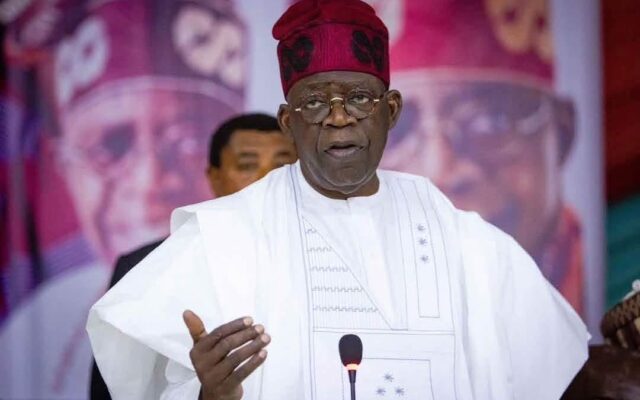
Bola Ahmed Tinubu, who governed Lagos from 1999 to 2007, became President of Nigeria after winning the 2023 presidential election.
Tinubu’s political influence expanded considerably after his governorship. He became one of the leading architects of the political coalition that eventually produced the All Progressives Congress.
His emergence as president means that two members of the original 1999 governors’ class have gone on to occupy Nigeria’s highest political office.
Those Who Faced Political and Legal Battles
Not every journey after 2007 followed the traditional path of political advancement.
Former Plateau governor Joshua Dariye later became a senator but was convicted and imprisoned over corruption-related offences. In 2022, President Muhammadu Buhari granted him a presidential pardon.
Former Taraba governor Jolly Nyame experienced a similar reversal of fortunes. After serving two terms as governor, he was convicted on corruption charges and sentenced to prison. He was also granted a presidential pardon in 2022.
The late Abubakar Audu of Kogi had already served as governor during the aborted Third Republic before returning to office in 1999. He later became the APC candidate in the 2015 Kogi governorship election. Although he was declared the winner of the election, he died on November 22, 2015, before the legal process surrounding the contest was concluded.
Former Kwara governor Mohammed Lawal, a former naval officer, served from 1999 to 2003 before losing his re-election bid. He died in London in 2006.
The Elder Statesmen
For some former governors, the political journey has gradually evolved from active electoral participation into elder statesmanship.
Former Ogun governor Olusegun Osoba is one of the most prominent examples. A veteran journalist, Osoba had previously governed Ogun during the aborted Third Republic before returning as governor in 1999. He has remained an influential voice in Nigerian political affairs.
Bisi Akande, who governed Osun State from 1999 to 2003, later became the first interim national chairman of the APC. He has since occupied the role of one of the party’s elder statesmen.
Former Ekiti governor Niyi Adebayo also moved beyond the state level, later serving as a federal minister and remaining active within the APC.
Achike Udenwa, who governed Imo for eight years, subsequently became Minister of Commerce and Industry. He has largely remained outside frontline electoral politics in recent years.
Former Rivers governor Peter Odili, a medical doctor, also moved into the category of elder political figures after leaving office in 2007.
Those Who Have Passed Away
The Class of ’99 has also experienced considerable loss.
The group has lost 11 of its original 36 members.
Among them are former Anambra governor Chinwoke Mbadinuju, Bayelsa’s Diepreye Alamieyeseigha, Borno’s Mala Kachalla, Gombe’s Abubakar Habu Hashidu, Kogi’s Abubakar Audu, Kwara’s Mohammed Lawal, Niger’s Abdulkadir Kure, Ondo’s Adebayo Adefarati, Oyo’s Lamidi Adesina, Katsina’s Umaru Musa Yar’Adua and former Yobe governor Bukar Abba Ibrahim.
Bukar Ibrahim, who also served as a senator after his governorship, died in February 2024. His death reduced the number of surviving members of the historic group to 25.
Their deaths have gradually changed the character of the Class of ’99, but their contributions remain embedded in the political history of the Fourth Republic.
The Northern Political Heavyweights
The class also produced several major northern political figures.
Attahiru Bafarawa governed Sokoto from 1999 to 2007 and later remained active in national politics, including a presidential bid in 2019.
Ahmad Sani Yerima, Zamfara’s first elected governor, became nationally recognised after his administration introduced Sharia criminal law in the state in 2000. He later became a senator and continued his involvement in national politics.
Abdullahi Adamu, Nasarawa’s first elected governor, subsequently served in the Senate and became national chairman of the APC in 2022. He resigned from the position in 2023.
The late Abdulkadir Kure of Niger State also became associated with the introduction of Sharia in the state during his administration.
A Political Generation That Refused to Disappear
What makes the Class of ’99 particularly remarkable is not simply that its members occupied the state houses at the beginning of the Fourth Republic.
It is what happened after they left.
Their careers spread across virtually every important layer of Nigerian politics. They became presidents, senators, ministers, party chairmen, political strategists and elder statesmen. Some became controversial figures because of corruption cases, while others became respected voices in national political discussions.
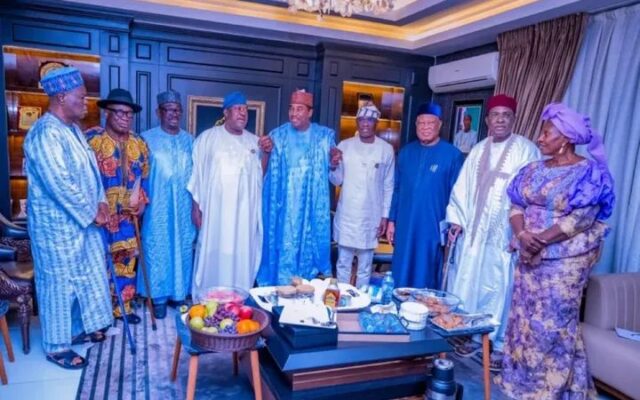
Their continued relevance was demonstrated when members of the group gathered with President Tinubu at the State House. The meetings offered a rare reunion of politicians who had entered office together at the beginning of Nigeria’s current democratic era.
More than 25 years after their historic inauguration, the Class of ’99 remains one of the most consequential political generations in Nigeria’s recent history.
Of the 36 governors who began the Fourth Republic journey together, 25 are still alive, while 11 have died.
Their individual stories could hardly be more different. Some remain active in politics, some have become elder statesmen, some returned to private life, while others left behind complicated legacies.
But collectively, their political journeys tell the story of Nigeria’s Fourth Republic itself.
They came into office when democracy was being restored.
More than two decades later, their fingerprints can still be found across Nigeria’s political landscape.