


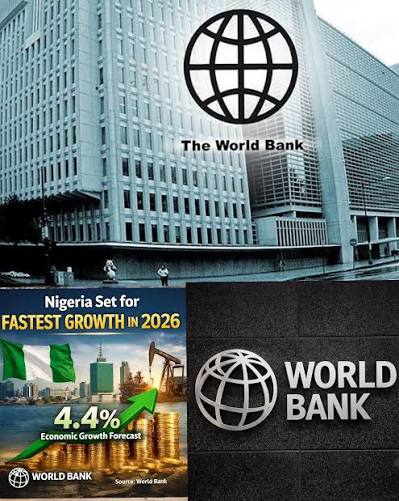
The World Bank has projected that Nigeria’s economy will grow by an average of 4.4 per cent between 2026 and 2028, as President Bola Tinubu says ongoing economic reforms are beginning to deliver results.
Tinubu made this known on Sunday while welcoming the bank’s October 2026 Nigeria Development Update, titled Beyond the Federal Purse: How Higher Revenues Reshaped State Priorities.
The President said the report showed that the administration’s reforms were placing the economy on a stronger footing for sustained growth.
He also highlighted the bank’s finding that Nigeria’s poverty rate had stabilised for the first time since 2019.

The World Bank expects poverty to decline gradually if economic growth continues to outpace population growth.
However, the pace of improvement will depend on sustained growth, employment opportunities and the effective use of public revenue.
The report also urged state governments to channel increased revenue into projects that directly improve living standards, including healthcare, education, infrastructure and other essential public services.
According to the bank, higher revenue allocations provide states with greater opportunities to address development challenges.
However, improved public spending, transparency and accountability remain essential to ensuring that additional resources translate into tangible benefits for residents.
Tinubu’s remarks come as Nigeria continues to navigate the effects of economic reforms introduced since 2023, including petrol subsidy removal and foreign exchange policy changes.
While these measures have affected households and businesses, the government has maintained that they are necessary to strengthen public finances and support long-term economic growth.
The World Bank’s projection offers a positive outlook for the economy, but translating growth into lower poverty and improved living standards remains a key challenge for federal and state governments.




