


tech-cerebras-ceo-ai-doomsday
Cerebras CEO Rejects Rising AI Doomsday Panic
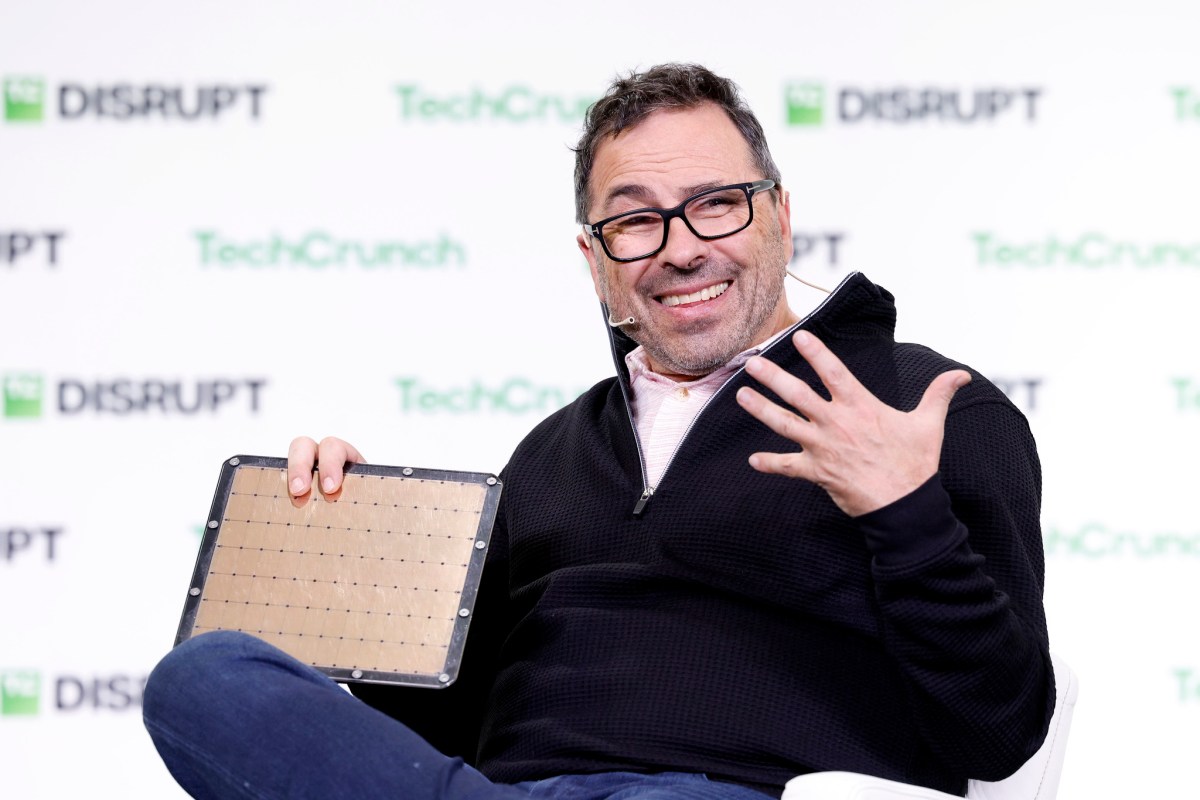
Cerebras CEO Andrew Feldman slammed dark AI doomsday rhetoric at TechCrunch Disrupt 2026, demanding balanced debate over real medical breakthroughs and local data infrastructure.
The Cerebras Systems CEO rejected AI doomsday fears at TechCrunch Disrupt 2026, urging executives to focus on real human benefits today.
Essentially, Cerebras chief Andrew Feldman has issued a direct message to tech leaders. Feldman spoke on stage at TechCrunch Disrupt this week. In fact, he advised alarmist voices in the sector to stop spreading dark tales. Feldman warned that exaggerated fears drown out the massive promise of modern software.

Why Feldman Rejects AI Doomsday Warnings
Consequently, Feldman challenged the loudest tech figures driving the current AI doomsday debate. He noted that endless existential warnings create unnecessary public anxiety. Furthermore, these warnings pull attention away from tangible economic and social progress. In fact, dark speculation makes sensible regulation much harder to achieve.
Additionally, Feldman emphasized that AI can unlock major scientific discoveries across the globe. For example, the technology could help researchers eliminate deadly diseases such as cancer. Therefore, Feldman urged executives to highlight life-saving innovations rather than science-fiction doom. To track how modern digital tools transform services, see how the Kano govt introduces online platforms for project tracking, procurement to boost accountability.
Balancing Real Risk and Technical Progress
However, Feldman made clear that he does not ignore genuine computing risks. Any powerful technology carries real dangers when bad actors misuse it. Specifically, Feldman stated that risk management and rapid innovation must advance together. As a result, developers should address existing challenges like algorithmic bias and data privacy.
In contrast, focusing purely on speculative runaway machines blinds society to current tools. Feldman noted that hardware creators are making computing systems far more efficient every month. For instance, chipmakers like Nvidia continue pushing forward compute density across modern server racks. Meanwhile, open foundation model makers continue improving their operational efficiency at scale.
Overcoming Global Data Center Backlash
Furthermore, Feldman addressed growing community pushback against new AI data center construction. He argued that tech giants fail to communicate properly with local communities. For example, energy and oil industries spend decades building public trust in regional towns. In fact, American developers now face intense resistance from local residents.
Consequently, other countries are moving rapidly to capture these massive digital investments. Nations like Canada, Sweden, Norway, and Mexico welcome new data facilities with open arms. Therefore, tech firms must listen to residents and share economic rewards locally. Industry analysts at Bloomberg agree that energy demands will reshape future compute facilities.
Ultimately, Feldman believes the technology sector must reclaim a positive, grounded vision. Leaders should focus on measurable results rather than spreading panic about theoretical threats. Through this balanced mindset, builders can protect users while delivering vital medical and social gains.




