


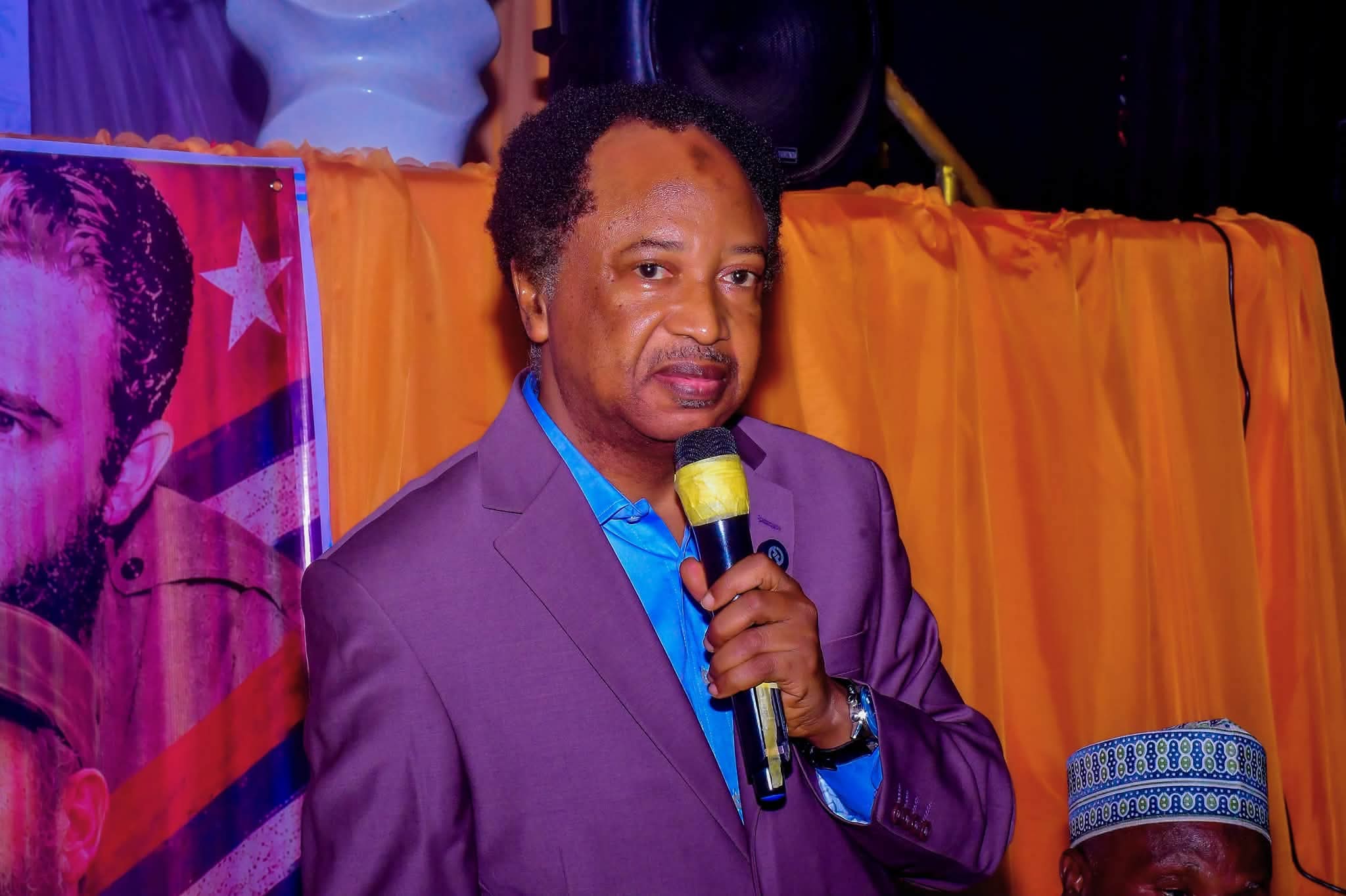
Former Kaduna Central Senator Shehu Sani has accused some Northern leaders of remaining silent over insecurity during former President Muhammadu Buhari’s administration while criticising President Bola Tinubu over the continued attacks and kidnappings in the region.
Sani made the remarks in an interview with Nigerian Tribune published on Saturday, October 17, while discussing his bid to return to the Senate, rotational presidency and the 2027 general election.
He argued that insecurity in Northern Nigeria should not be used selectively for political purposes, insisting that those criticising Tinubu should also account for their response to similar challenges under Buhari.
“Most of those making noise today were silent. They were silent for ethnic, sectional, and religious reasons,” Sani said, alleging that some Northern senators had opposed efforts to raise concerns about insecurity when Buhari was in power.

Sani Compares Insecurity Under Buhari and Tinubu
The former lawmaker listed several mass abductions that occurred during Buhari’s administration, including attacks on schools in Dapchi, Jangebe, Kagara, Yauri and Kaduna State.
He also cited the Chibok schoolgirls’ abduction under former President Goodluck Jonathan, arguing that Jonathan faced widespread criticism over insecurity before Buhari took office.
Sani said banditry, terrorism and kidnapping remained serious problems, but maintained that the response to the situation had been influenced by political, ethnic and religious considerations.
He also criticised former security chiefs who served under Buhari, arguing that the administration failed to adequately address insecurity despite having Northern Nigerians in several senior security positions.
However, he acknowledged that attacks, kidnappings and terrorist activities continued under Tinubu.
“Nobody says Tinubu has solved all security problems in Nigeria,” he said, adding that political leaders should apply the same standards when assessing successive administrations.
Calls for Power Rotation to Continue
On calls for the presidency to return to Northern Nigeria in 2027, Sani argued that the South should complete its turn before power returns to the North.
He said the principle of rotational presidency was important for maintaining political stability and reducing tensions among Nigeria’s regions.
Sani urged Southern presidential aspirants, including former Rivers State Governor Rotimi Amaechi, Labour Party presidential candidate Peter Obi and Tinubu, to contest the 2027 election under their respective parties.
He argued that the North could seek the presidency again in 2031, following the completion of the South’s expected term.
Sani also expressed confidence that Tinubu would win the 2027 election, presenting continuity in the rotation arrangement as important for national stability.
He further claimed that agitation for separatist movements in parts of the South had declined partly because of hopes that people from those regions could attain the presidency.
Why He Wants to Return to the Senate
Explaining his decision to seek a return to the National Assembly, Sani said he wanted to represent his constituents, attract federal projects and improve access to healthcare, education and other development opportunities in Kaduna State.
He cited his previous record in office, including the construction of primary healthcare centres, scholarships, training programmes, women’s empowerment initiatives and support for community development.
Sani said he expected to work more closely with President Tinubu and Kaduna State Governor Uba Sani if elected again, arguing that cooperation across levels of government could help attract additional projects to the state.
He also criticised the current senator representing Kaduna Central, claiming that the lawmaker had not made sufficient contributions to legislative debates or constituency development.
Criticism of Political Leadership in Kaduna
Sani also discussed the political climate in Kaduna State, describing it as a multi-ethnic and multi-religious society that required inclusive representation.
He said Christians account for about 45 per cent of his constituency, while Muslims make up the remaining 55 per cent, arguing that political leaders should avoid religious or ethnic discrimination.
The former senator also criticised the administration of former Kaduna State Governor Nasir El-Rufai, accusing it of dismissing workers, demolishing homes and restricting critics and journalists.
He maintained that political power was temporary and that leaders who denied others their rights could eventually face similar treatment.
On the question of opposition politics in Kaduna, Sani said a credible alternative was necessary, distinguishing it from what he described as misleading promises about restoring subsidies.
His comments come as political actors prepare for the 2027 general election, with debates continuing over insecurity, economic policy, regional representation and the future of power rotation in Nigeria.




