


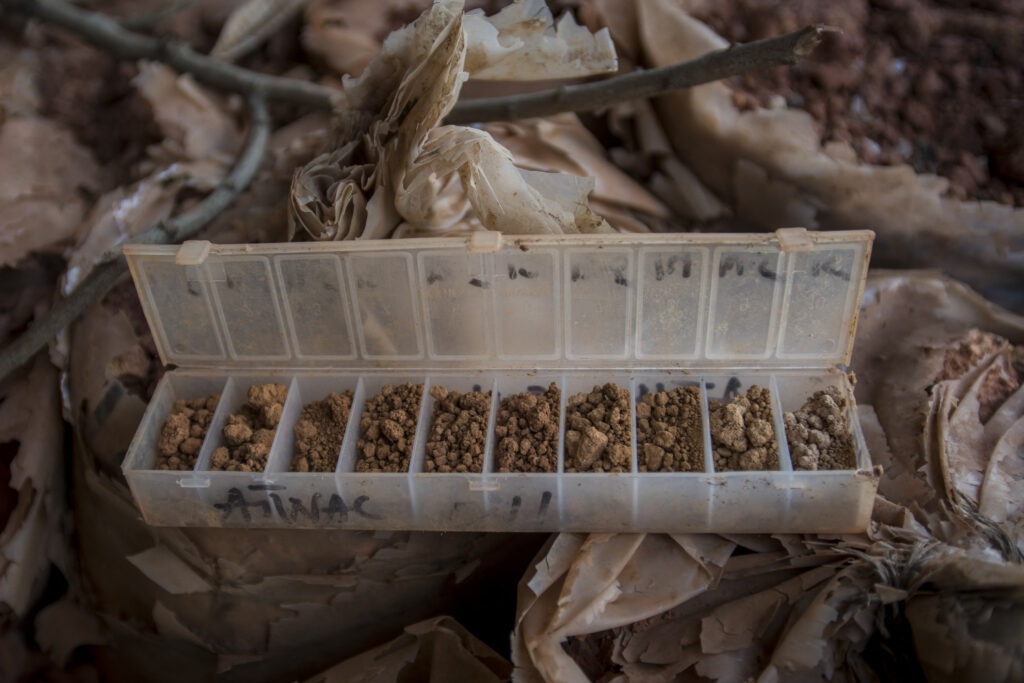
Ghana has announced plans to end the export of unprocessed minerals by 2030, as the country seeks to increase local processing, strengthen manufacturing and retain more economic value from its natural resources.
The announcement was made by President John Dramani Mahama at the Mining in Motion Summit in Accra on October 19, 2026.
He said the government would introduce a phased restriction on raw mineral exports, supported by legislation and specific implementation timelines.
Ghana, Africa’s largest gold exporter, is also a major producer of manganese, bauxite and other valuable minerals.

However, much of the country’s mineral wealth is exported in raw form, leaving other countries to capture significant value through refining and manufacturing.
Under the proposed policy, Ghana wants more minerals processed locally before they reach international markets.
The government plans to strengthen its aluminium, iron and steel industries while encouraging investment in modern processing facilities.
Mahama identified the development of an integrated aluminium industry as a major priority.
This includes expanding local refining capacity and revitalising the Volta Aluminium Company (VALCO) to support domestic production.
The government believes the policy could reduce dependence on imported industrial materials, create employment and provide opportunities for local businesses involved in manufacturing and mineral processing.
However, achieving the 2030 target will require substantial investment in electricity, infrastructure, technology and skilled labour. Mining companies will also need to adjust their operations to meet the proposed requirements.
According to DDM News, Ghana’s decision reflects a growing movement across Africa to move beyond the export of raw commodities and develop industries capable of processing natural resources locally.
Several African economies are increasingly seeking greater control over their mineral value chains, particularly as demand for resources used in manufacturing, renewable energy and electric vehicle production continues to grow.
The success of Ghana’s plan will depend on its ability to attract investors, establish competitive processing facilities and implement policies that support long-term industrial growth.
With the 2030 deadline approaching, the country is seeking to transform its mineral sector from one largely focused on extraction and exports into a stronger driver of domestic manufacturing and economic development.
Source: Ghana Presidency; Ghana News Agency.




