


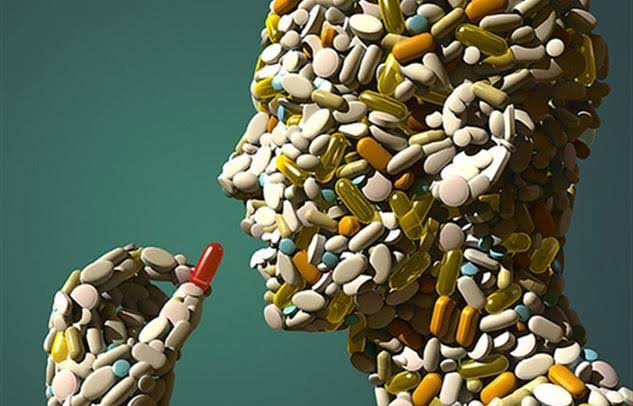
Self-medication, the practice of taking drugs without proper medical consultation or prescription, has become a growing public health concern in Nigeria and other parts of the world. Although many people consider it a convenient and affordable way to treat common illnesses, health professionals continue to warn that the practice can expose individuals to serious health complications, drug resistance, organ damage and, in extreme cases, death.
Across many Nigerian communities, it is common to find people purchasing medicines directly from pharmacies, patent medicine stores and roadside drug vendors without first consulting qualified healthcare professionals. Some individuals also rely on leftover medications from previous illnesses, recommendations from friends and family members, or information obtained from social media to determine which drugs to take.
While the intention may be to relieve pain, fever, headaches, malaria symptoms or other minor health conditions, taking medications without proper knowledge of their dosage, side effects and suitability can do more harm than good.
According to health experts, every medication has specific instructions regarding its use, and what works for one person may not necessarily be safe or effective for another.

WHAT IS SELF-MEDICATION?
Self-medication refers to the use of medicines to treat self-diagnosed illnesses or symptoms without obtaining appropriate medical advice. It also includes using prescription drugs without a valid prescription, taking previously prescribed medications for a different illness, or continuing treatment beyond the period recommended by a healthcare professional.
Common examples include taking antibiotics whenever someone experiences a fever, using painkillers regularly without understanding their effects, purchasing antimalarial drugs without conducting appropriate tests, and taking sleeping tablets or other prescription medicines based on recommendations from friends.
Although some over-the-counter medications can be safely used for minor health conditions when taken according to approved instructions, the inappropriate use of prescription medicines remains a major concern.
The National Agency for Food and Drug Administration and Control (NAFDAC) has previously highlighted the dangers associated with self-medication, particularly the use of prescription-only medicines without professional supervision.
WHY PEOPLE PRACTISE SELF-MEDICATION
Several factors contribute to the increasing practice of self-medication, particularly in developing countries like Nigeria.
One major reason is the high cost of healthcare services. Many individuals who cannot afford hospital consultations, laboratory investigations and prescribed treatments often choose to purchase medicines directly from drug stores.
Another contributing factor is the belief that certain illnesses are too minor to require medical attention. For instance, someone experiencing a headache may immediately purchase painkillers, while another person with a fever may assume it is malaria and begin taking antimalarial drugs without undergoing a medical examination.
Previous experiences with medications also encourage the practice. Some people continue using drugs that were prescribed during earlier illnesses because they believe the same treatment will work again.
Other factors include long waiting times at hospitals, limited access to healthcare facilities, lack of health awareness, recommendations from friends and relatives, and misleading medical information circulating on social media.
A systematic review published in the Nigerian Medical Journal in 2026, which examined 91 studies involving more than 37,000 participants, estimated that the pooled prevalence of self-medication in Nigeria was approximately 67.8 per cent.
The review identified antibiotics, painkillers and antimalarial medicines among the commonly used drugs. It also highlighted financial difficulties, time constraints and previous treatment experiences as major reasons behind the practice.
These findings demonstrate the importance of improving public awareness and access to affordable healthcare services.
THE DANGERS OF SELF-MEDICATION
1. Incorrect Diagnosis and Treatment
One of the greatest dangers of self-medication is the possibility of treating the wrong illness.
Several medical conditions share similar symptoms. For example, fever, headache, weakness and body pains may be associated with malaria, typhoid fever, viral infections and other illnesses.
When individuals diagnose themselves without proper medical investigations, they may take medications that do not address the actual cause of their symptoms.
This can delay appropriate treatment and allow an underlying medical condition to worsen.
2. Drug Overdose and Poisoning
Taking more medication than the recommended dosage can result in drug overdose and poisoning.
Some individuals believe that taking higher doses of medication will produce faster relief. However, this assumption can be extremely dangerous.
Excessive use of certain painkillers, for instance, can cause serious liver or kidney damage. Overdosing on other medications may lead to breathing difficulties, seizures, unconsciousness and other life-threatening complications.
Children are particularly vulnerable because medication doses often depend on their age, weight and medical condition.
3. Antibiotic Resistance
Another serious consequence of self-medication is antimicrobial resistance, particularly when antibiotics are used incorrectly.
Antibiotics are medicines designed to treat bacterial infections. They do not treat viral illnesses such as the common cold and influenza.
When people take antibiotics unnecessarily, use the wrong antibiotics or fail to follow the prescribed treatment instructions, they contribute to the development and spread of drug-resistant microorganisms.
Antimicrobial resistance occurs when microorganisms develop the ability to survive medicines that would ordinarily destroy them or stop their growth.
The World Health Organization (WHO) identifies the misuse and overuse of antimicrobial medicines as major drivers of antimicrobial resistance.
This development is dangerous because infections that were previously easy to treat can become more difficult and expensive to manage.
It may also result in prolonged hospital admissions, increased medical expenses and a greater risk of complications.
4. Dangerous Drug Interactions
Taking multiple medications without professional guidance can expose individuals to harmful drug interactions.
Some medicines should not be taken together because they may increase each other’s effects, reduce their effectiveness or produce unexpected reactions.
For example, combining certain painkillers with other medications may increase the risk of bleeding, kidney complications or other adverse effects.
People living with chronic conditions such as hypertension and diabetes must be particularly careful because some medicines may interfere with their regular treatment.
5. Damage to Vital Organs
The liver and kidneys play important roles in processing and eliminating substances from the body, including medications.
However, excessive or inappropriate use of certain drugs can place unnecessary stress on these organs and potentially cause serious damage.
Long-term misuse of some painkillers and other medications may contribute to kidney problems, while excessive consumption of certain medicines can cause liver injury.
In severe cases, these complications may require prolonged medical treatment or specialised care.
6. Allergic Reactions and Unexpected Side Effects
Every medication has potential side effects, and individuals may react differently to the same drug.
Some people may experience mild reactions such as nausea, dizziness, stomach discomfort or skin irritation.
Others may develop severe allergic reactions, including swelling of the face or throat and difficulty breathing.
Without proper medical guidance, individuals may fail to recognise dangerous reactions or continue taking medicines that are harmful to them.
7. Delayed Medical Attention
Self-medication can create a false sense of security, particularly when symptoms temporarily disappear after taking certain medicines.
However, relief from symptoms does not always mean that the underlying illness has been treated.
For example, repeatedly taking painkillers may temporarily relieve persistent headaches while an underlying medical condition remains undiagnosed.
Delaying hospital visits can allow serious illnesses to progress and make treatment more complicated.
THE ROLE OF HEALTHCARE PROFESSIONALS
Healthcare professionals have an important responsibility to educate the public about the dangers of inappropriate medication use.
Doctors, pharmacists, nurses and other qualified medical practitioners should encourage patients to seek appropriate medical advice before using prescription medicines.
Pharmacists also play an important role in ensuring that medicines are dispensed responsibly and that patients understand the correct dosage, possible side effects and precautions associated with their medications.
NAFDAC and other relevant regulatory authorities must continue strengthening public education, monitoring medicine distribution and addressing the sale of unregistered or improperly handled medicines.
The government also has a responsibility to improve access to affordable healthcare services so that individuals are not forced to rely on unsafe treatment practices because of financial difficulties.
HOW TO PREVENT THE DANGERS OF SELF-MEDICATION
Preventing self-medication requires individual responsibility and collective action.
Members of the public are encouraged to adopt the following safety measures:
- Always seek medical advice before taking prescription medicines.
- Avoid purchasing antibiotics without a prescription from an authorised healthcare professional.
- Do not use leftover medicines from previous illnesses without professional guidance.
- Never share prescription medications with friends or family members.
- Follow the recommended dosage and duration of treatment.
- Purchase medicines from licensed pharmacies and authorised medicine outlets.
- Avoid taking multiple medications without checking for possible interactions.
- Do not rely on social media, friends or unqualified individuals for medical advice.
- Seek immediate medical attention when experiencing severe or persistent symptoms.
- Inform healthcare professionals about all medications, supplements and herbal preparations being used.
Parents and guardians should also ensure that medicines are kept out of children’s reach and that children are never given adult medications without appropriate medical instructions.
Self-medication may appear to be a convenient way of managing common health complaints, but its potential consequences should never be underestimated.
What begins as an attempt to save money or avoid hospital visits can eventually result in serious medical complications, prolonged illness, financial difficulties and preventable deaths.
As Nigeria continues to address public health challenges, greater attention must be given to educating citizens about responsible medicine use and the importance of seeking professional medical advice.
Individuals must understand that medicines are not ordinary consumer products and that taking them without adequate knowledge can place their health and lives at risk.
The message is simple: Do not diagnose yourself, do not misuse medications and do not take drugs simply because they worked for someone else.
Seeking professional medical advice remains one of the safest ways to protect personal health, prevent avoidable complications and promote a healthier society.




