


Vegetables are packed with essential vitamins, minerals, antioxidants, and fiber that support overall health. However, the way vegetables are cooked can affect how much of these nutrients your body actually receives. While some nutrients break down when exposed to heat or water, certain cooking techniques can help preserve and sometimes even improve nutrient availability.
Here are four cooking methods experts recommend for getting the most nutritional value from vegetables.
1. Steaming helps retain vitamins
Steaming is widely considered one of the best methods for preserving nutrients in vegetables. Instead of submerging vegetables in water, steaming cooks them using hot vapor, which reduces the loss of water-soluble vitamins such as vitamin C and several B vitamins.

Vegetables like broccoli, spinach, Brussels sprouts, and asparagus tend to maintain more of their nutrients when steamed compared to boiling. Steaming also helps preserve antioxidants and plant compounds found in cruciferous vegetables.
To get the best results, vegetables should be steamed only until tender and not overcooked.
2. Microwave cooking preserves nutrients quickly
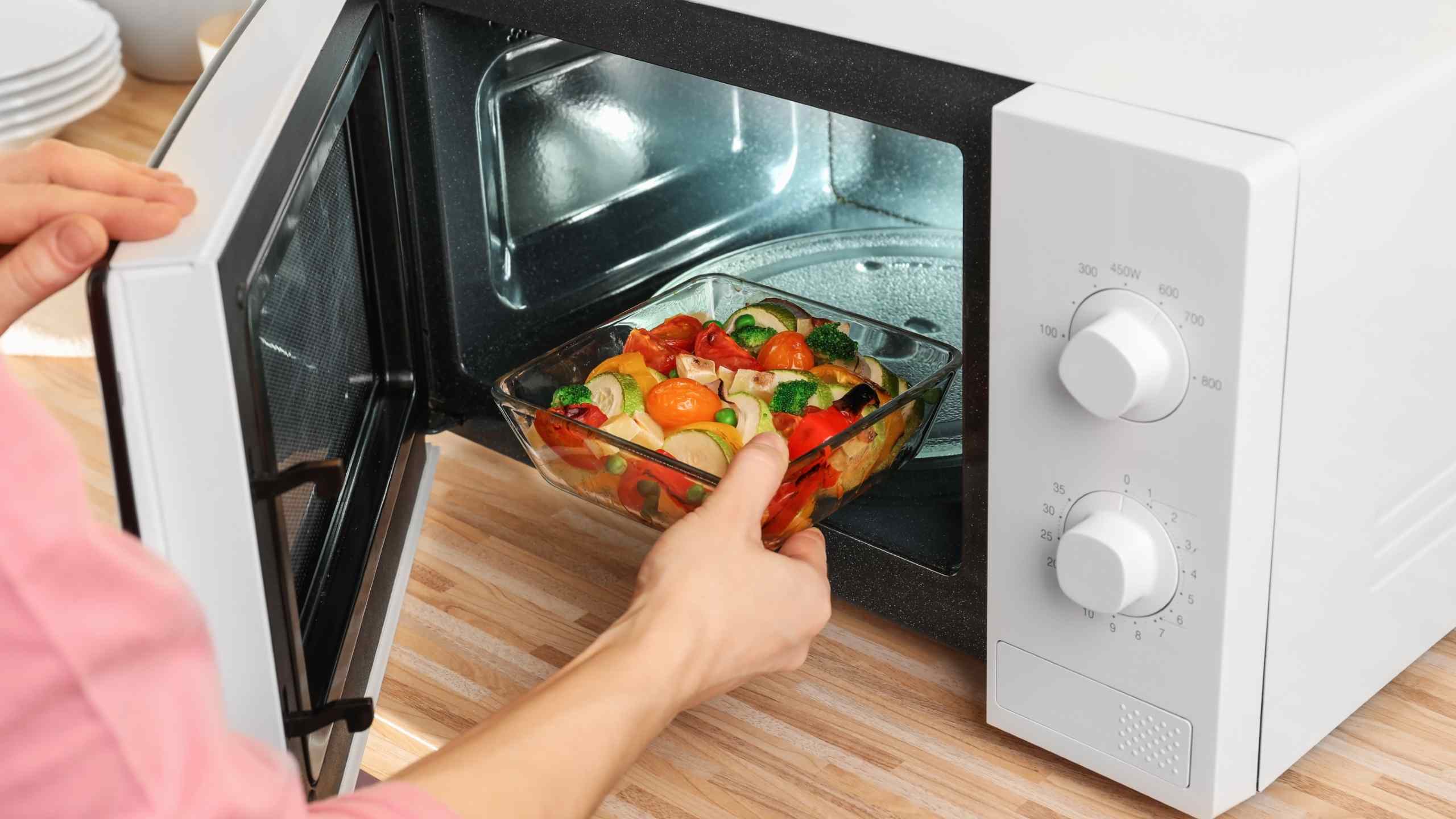
Microwave cooking is another effective method for nutrient retention because it cooks vegetables quickly and usually requires very little water. Shorter cooking times mean less exposure to heat, helping sensitive nutrients remain intact.
Research suggests that microwaving vegetables such as broccoli, carrots, and peppers can preserve a high percentage of vitamin C and other antioxidants. The method also helps vegetables maintain their natural color and texture.
For best results, vegetables should be cut into even pieces and cooked with a small amount of water in a covered microwave-safe container.
3. Stir-frying supports nutrient absorption
Stir-frying combines quick cooking with small amounts of healthy oil, making it a useful method for preserving nutrients while improving the absorption of fat-soluble vitamins.
Vegetables cooked this way often retain their texture and color because they spend less time exposed to heat. At the same time, the oil used in stir-frying can help the body absorb nutrients such as vitamin A, vitamin K, and carotenoids found in carrots, tomatoes, and leafy greens.
Using healthy oils like olive or avocado oil can add additional nutritional benefits.
4. Pressure cooking reduces cooking time
Pressure cooking uses steam and high pressure to cook food faster than traditional methods. The shorter cooking time can help reduce nutrient loss, especially in vegetables and legumes that usually require long cooking periods.
Because the cooking environment is sealed, fewer nutrients escape through evaporation. Pressure cooking can also help soften tough vegetables while preserving minerals and improving the availability of certain nutrients.
This method works especially well for root vegetables, beans, and hearty greens.
Choosing the right cooking method
Different nutrients react differently to heat, water, and cooking time. Water-soluble vitamins are more easily lost during boiling, while some antioxidants become easier for the body to absorb after light cooking.
In general:
- Steaming and microwaving are excellent for preserving vitamins.
- Stir-frying can improve absorption of fat-soluble nutrients.
- Pressure cooking saves time while maintaining much of the food’s nutritional value.
Using these cooking methods can help make vegetables both nutritious and enjoyable without sacrificing flavor or texture.




