


Medical experts say dietary choices can play a major role in controlling blood sugar levels and improving the health of people living with type 2 diabetes.
According to healthcare professionals, growing research continues to show that structured nutrition plans and healthy eating habits may help improve insulin sensitivity and reduce dependence on medication for some patients.
Health specialists emphasize that while medication remains important for many individuals, diet and lifestyle changes are increasingly being recognized as critical tools in diabetes management.
Understanding Type 2 Diabetes
Type 2 diabetes develops when the body becomes resistant to insulin or cannot produce enough insulin to regulate blood sugar effectively.

Unlike type 1 diabetes, which requires lifelong insulin treatment, type 2 diabetes is often strongly linked to lifestyle factors such as diet, physical inactivity, and obesity.
Medical researchers say some patients can achieve diabetes remission, meaning blood sugar levels return to normal ranges without medication, through long-term lifestyle improvements and proper medical supervision.
Foods Experts Recommend for Blood Sugar Control
Doctors and nutritionists recommend focusing on nutrient-rich foods that help reduce blood sugar spikes and improve overall metabolic health.
Non-Starchy Vegetables
Vegetables such as spinach, broccoli, cauliflower, and Brussels sprouts are rich in fiber and low in carbohydrates. Experts say these foods help slow glucose absorption while providing essential vitamins and minerals.
Legumes
Beans, lentils, and chickpeas are widely recommended because they contain fiber, plant protein, and resistant starch, which may help improve blood sugar regulation and increase feelings of fullness.
Fatty Fish
Fish including salmon, sardines, and mackerel contain omega-3 fatty acids that may reduce inflammation and support insulin sensitivity.
Nuts and Seeds
Almonds, walnuts, chia seeds, and similar foods provide healthy fats and protein, helping stabilize blood sugar while supporting heart health.
Whole Grains
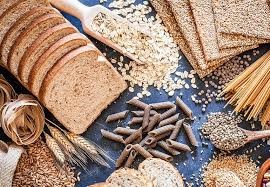
Whole grains such as brown rice, quinoa, and oats are considered healthier alternatives to refined grains because they digest more slowly and produce steadier blood sugar responses.
Fermented Foods and Yogurt
Greek yogurt and other fermented foods may help support gut health, which researchers increasingly associate with improved metabolism and reduced insulin resistance.
Avocados
Avocados contain healthy monounsaturated fats that may help improve insulin function while providing satisfying nutrition without causing major blood sugar spikes.
Meal Timing and Eating Patterns Matter
Health experts also say how and when people eat can influence blood sugar control.
Some studies suggest that time-restricted eating or intermittent fasting may improve insulin sensitivity in certain individuals when done safely under medical guidance.
Researchers further note that eating vegetables or proteins before carbohydrates during meals may help reduce sudden rises in blood sugar levels.
Foods to Limit
Medical professionals advise limiting refined carbohydrates, sugary beverages, highly processed foods, and excessive sugar intake because these foods can rapidly increase blood glucose levels.
Experts also warn that diets high in processed meats and unhealthy fats may worsen diabetes-related health risks over time.
Long-Term Commitment Is Essential
Doctors emphasize that managing or reversing type 2 diabetes through diet requires consistency, patience, and medical supervision.
Many individuals may begin seeing improvements in blood sugar levels within weeks, although long-term success often depends on maintaining healthy habits over several months or years.
Healthcare providers continue to encourage patients to work closely with doctors and nutrition specialists before making major dietary changes, especially when using diabetes medications, to avoid complications linked to low blood sugar levels.




