


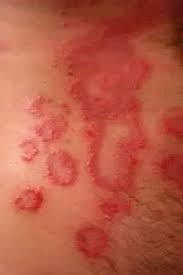
Rashes around the private area are a common health concern affecting both men and women. Although many cases are mild and temporary, persistent irritation, itching, redness, or discomfort may sometimes point to an underlying medical condition that requires proper attention.
Health experts advise that understanding the possible causes of genital or groin rashes can help individuals seek early treatment and avoid complications.
Poor Hygiene and Excess Moisture
One of the most common causes of rashes around the private area is excess sweat and moisture. Tight clothing, prolonged sitting, and hot weather can create a warm environment that encourages irritation and skin breakdown.

When sweat remains trapped for long periods, it may lead to itching, redness, or heat rash, particularly around the groin and inner thighs.
Medical professionals recommend keeping the area clean and dry, wearing breathable cotton underwear, and changing out of sweaty clothing promptly.
Fungal Infections
Fungal infections are another leading cause of rashes in the genital region. Conditions such as jock itch, caused by fungi that thrive in warm and damp environments, can result in redness, scaling, burning sensations, and severe itching.
Women may also experience yeast infections, which can cause irritation, swelling, and unusual discharge.
Doctors often advise antifungal creams or medications, depending on the severity of the infection.
Allergic Reactions and Skin Irritation
Certain soaps, detergents, sanitary products, perfumes, lubricants, or condoms may trigger allergic reactions or skin sensitivity in some individuals.
This type of rash, commonly known as contact dermatitis, may appear as redness, bumps, dryness, or itching shortly after exposure to the irritating product.
Health specialists encourage the use of mild, fragrance-free products for sensitive skin.
Sexually Transmitted Infections (STIs)
Some sexually transmitted infections may also present symptoms such as rashes, sores, blisters, or unusual skin changes around the private area.
Conditions including genital herpes, syphilis, and human papillomavirus (HPV) can sometimes cause visible skin irritation or lesions.
Experts stress the importance of early medical evaluation, especially when rashes are accompanied by pain, discharge, fever, or sores.
Shaving and Friction
Shaving the pubic area may sometimes lead to razor burns, ingrown hairs, or skin irritation. In addition, constant friction from tight clothing or vigorous physical activity can worsen sensitivity around the groin region.
Dermatologists recommend using clean razors, shaving carefully, and avoiding harsh products immediately after hair removal.
Skin Conditions
Certain long-term skin conditions can also affect the genital area. Eczema, psoriasis, and dermatitis may cause recurring itching, redness, dry patches, or inflammation.
These conditions often require professional diagnosis and treatment to prevent worsening symptoms.
When to Seek Medical Attention
Health professionals advise individuals to consult a doctor if a rash:
- Persists for several days without improvement
- Spreads rapidly
- Causes severe pain or swelling
- Produces discharge or open sores
- Is accompanied by fever or unusual symptoms
Self-diagnosis may sometimes lead to improper treatment, especially when infections are involved.
Prevention Tips
To reduce the risk of developing rashes around the private area, experts recommend:
- Maintaining proper hygiene
- Wearing loose, breathable clothing
- Avoiding harsh soaps and scented products
- Practicing safe sex
- Keeping the area dry
- Avoiding prolonged moisture and sweat buildup
Medical experts emphasize that while many genital rashes are treatable, early care and proper hygiene remain important steps in protecting overall reproductive and skin health.




