


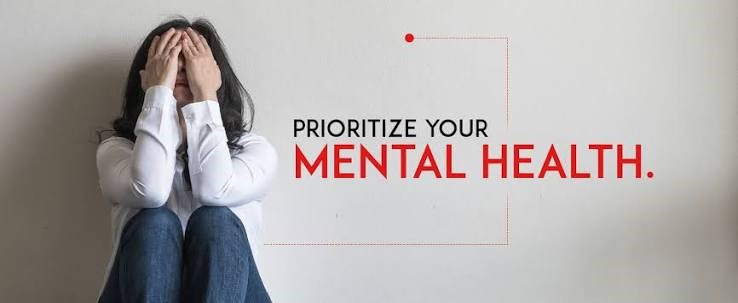
The World Health Organization (WHO) is urging governments, healthcare providers, and communities to strengthen mental health services, describing mental well-being as a critical public health priority that deserves greater attention and investment.
According to the WHO, millions of people worldwide live with mental health conditions, yet many continue to face barriers to diagnosis, treatment, and ongoing support. Health experts say improving access to quality mental healthcare can enhance overall well-being, reduce disability, and improve quality of life.
Mental Health Remains a Global Challenge
Mental health conditions such as depression, anxiety disorders, bipolar disorder, and schizophrenia affect people of all ages and backgrounds. The WHO notes that these conditions can influence how people think, feel, and interact with others, while also affecting education, employment, and daily living.
Despite increasing awareness, many individuals still do not receive the care they need because of limited services, financial barriers, shortages of trained professionals, and social stigma.

WHO Calls for Greater Investment
The WHO is encouraging countries to make mental health a central part of national healthcare systems by increasing funding for services, expanding access to trained professionals, and integrating mental healthcare into primary healthcare facilities.
Experts say early intervention and accessible community-based care can improve outcomes for many people living with mental health conditions.
The organization also encourages governments to develop policies that protect the rights of people with mental health conditions and promote equal access to healthcare services.
Why Mental Health Matters
Healthcare professionals emphasize that mental health is closely connected to physical health. Untreated mental health conditions may affect sleep, concentration, relationships, productivity, and the ability to manage chronic illnesses.
Supporting mental well-being can contribute to healthier families, stronger communities, and improved economic productivity, according to public health experts.
Recognizing Common Warning Signs
Mental health professionals encourage individuals to seek support if they experience symptoms that persist or interfere with daily life, including:
- Persistent sadness or feelings of hopelessness
- Excessive worry or anxiety
- Difficulty concentrating
- Changes in sleep or eating habits
- Loss of interest in activities once enjoyed
- Withdrawal from family and friends
- Significant mood changes
Experts note that experiencing one or more of these symptoms does not necessarily mean someone has a mental health disorder, but persistent symptoms should be discussed with a qualified healthcare professional.
Building Better Mental Health
The WHO recommends several approaches that can help support mental well-being:
- Stay physically active through regular exercise.
- Get enough quality sleep each night.
- Maintain healthy social connections with family and friends.
- Practice stress-management techniques such as mindfulness or relaxation exercises.
- Seek professional support when emotional challenges become difficult to manage.
- Reduce stigma by encouraging open conversations about mental health.
Healthcare providers stress that seeking help is a positive step and that effective treatments are available for many mental health conditions.
Expanding Access to Care
The WHO continues to advocate for stronger community mental health services, improved crisis support, and increased public awareness campaigns aimed at encouraging people to seek help early.
Digital health tools, telemedicine, and community-based programs are also helping improve access to mental healthcare in some regions, particularly where specialist services are limited.
Looking Ahead
As awareness of mental health continues to grow, the WHO says sustained investment and coordinated action are essential to meeting the rising demand for care. Public health experts believe that improving mental health services, reducing stigma, and promoting early intervention can help individuals lead healthier and more productive lives.
The organization continues to encourage governments, healthcare systems, employers, educational institutions, and communities to work together to ensure that mental health support is accessible, affordable, and treated as an essential part of overall healthcare.




