


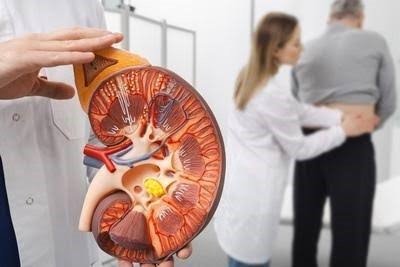
Medical experts are encouraging people to pay closer attention to kidney health, warning that chronic kidney disease (CKD) often develops gradually and may not cause noticeable symptoms until significant kidney damage has occurred.
Doctors say early detection is one of the most effective ways to slow the progression of the disease and reduce the risk of serious complications. Routine health screenings and prompt medical evaluation of persistent symptoms can help identify kidney problems before they become severe.
What Is Chronic Kidney Disease?
Chronic kidney disease is a long-term condition in which the kidneys gradually lose their ability to filter waste products and excess fluids from the blood. Healthy kidneys play a vital role in maintaining the body’s balance of fluids, minerals, and electrolytes while also helping regulate blood pressure and produce hormones involved in red blood cell production.
When kidney function declines over time, waste products can build up in the body, increasing the risk of complications if left untreated.

Why Early Detection Matters
According to healthcare professionals, chronic kidney disease often progresses silently, meaning many people remain unaware they have the condition until it reaches an advanced stage.
Early diagnosis allows healthcare providers to recommend treatments and lifestyle changes that may help slow disease progression, manage underlying conditions, and reduce the risk of kidney failure.
Doctors emphasize that kidney disease cannot always be prevented, but identifying it early can improve long-term health outcomes.
Early Warning Signs to Watch For
Although symptoms vary from person to person, doctors say several signs may indicate declining kidney function, especially if they persist over time:
- Persistent fatigue or weakness
- Swelling in the feet, ankles, hands, or face
- Changes in urination, including increased frequency or reduced urine output
- Foamy or bubbly urine, which may indicate excess protein
- Blood in the urine
- Difficulty concentrating
- Persistent itching
- Muscle cramps, particularly at night
- Nausea or loss of appetite
- High blood pressure that is difficult to control
Doctors note that these symptoms may also be associated with other medical conditions, making professional evaluation essential.
Who Is Most at Risk?
Health experts say certain groups have a higher risk of developing chronic kidney disease, including people who have:
- Diabetes
- High blood pressure
- Heart disease
- Obesity
- A family history of kidney disease
- A history of smoking
- Recurrent kidney infections or kidney stones
Older adults may also face an increased risk because kidney function naturally changes with age.
How Doctors Diagnose Kidney Disease
Healthcare providers use several methods to evaluate kidney health, including:
- Blood tests that measure kidney function
- Urine tests to detect protein or blood
- Blood pressure checks
- Imaging tests, such as ultrasound, when necessary
- Additional laboratory tests based on individual symptoms and medical history
Routine screening may be recommended for people with diabetes, hypertension, or other known risk factors.
Protecting Kidney Health
Doctors recommend several healthy habits that may help reduce the risk of chronic kidney disease or slow its progression:
- Keep blood pressure within recommended levels.
- Manage diabetes and maintain healthy blood sugar levels.
- Stay physically active through regular exercise.
- Eat a balanced diet that includes fruits, vegetables, whole grains, and lean protein.
- Limit excess salt and highly processed foods.
- Stay hydrated unless advised otherwise by a healthcare professional.
- Avoid smoking and limit excessive alcohol consumption.
- Use medications, including over-the-counter pain relievers, only as directed by a healthcare professional.
- Attend regular medical check-ups, especially if you have risk factors.
When to Seek Medical Advice
Doctors advise individuals to consult a healthcare professional if they notice persistent swelling, blood in the urine, ongoing fatigue, or significant changes in urination. People with diabetes or high blood pressure should also discuss regular kidney function testing with their healthcare provider, even if they feel well.
Prompt evaluation can help identify kidney disease or other underlying conditions that require treatment.
Looking Ahead
Chronic kidney disease affects millions of people worldwide and remains a major public health concern. While the condition often develops without obvious symptoms, doctors say regular health screenings, awareness of early warning signs, and effective management of risk factors can help protect kidney function and improve long-term health.
Medical experts continue to encourage individuals to prioritize routine healthcare visits and adopt healthy lifestyle habits that support both kidney health and overall well-being.




