


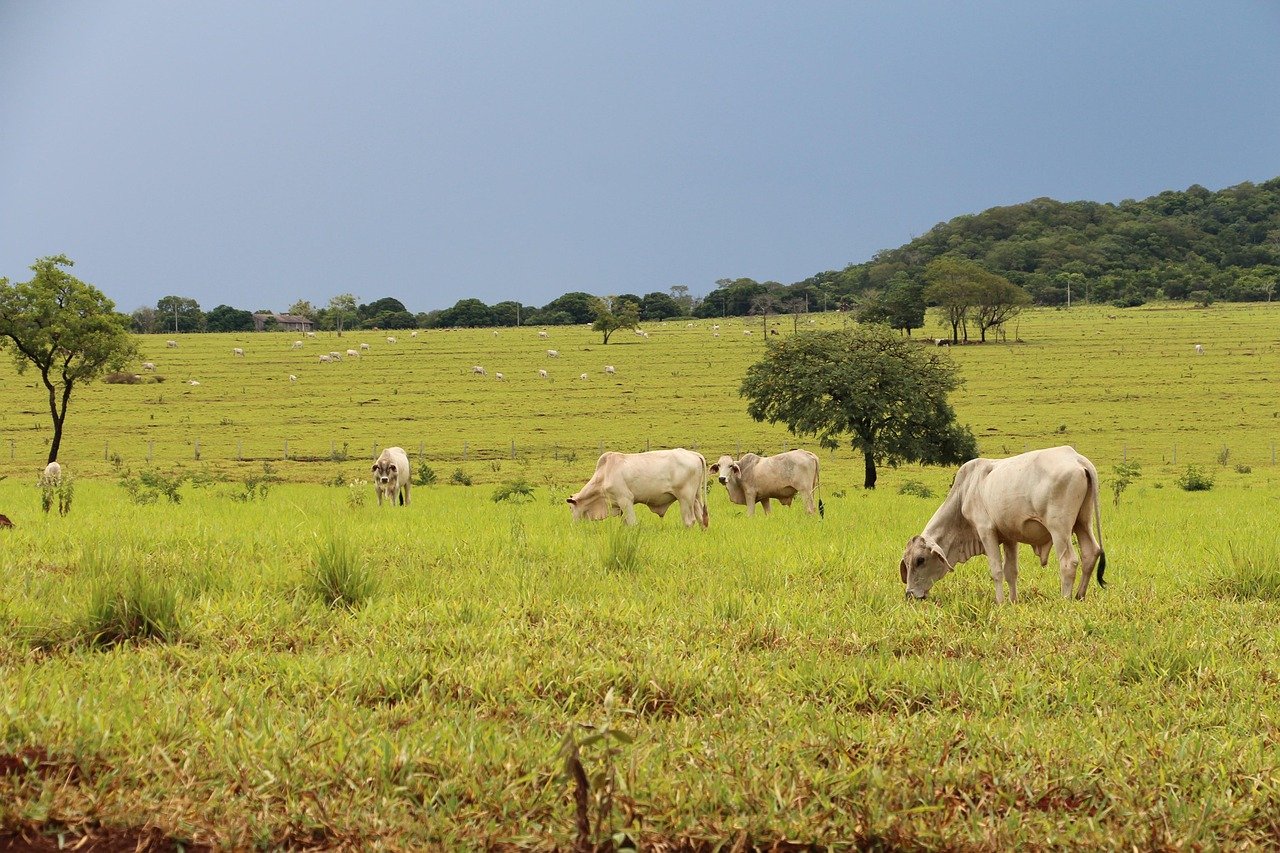
Agribusiness is steadily becoming one of the most important drivers of economic transformation in Nigeria. For decades, agriculture was largely viewed as a subsistence activity reserved for rural communities, with many young people believing that success could only be found in white collar jobs or the oil and gas sector. Today, that perception is changing rapidly as agribusiness emerges as a modern, profitable, and innovative industry capable of creating wealth, generating employment, strengthening food security, and reducing the country’s dependence on imports. Across Nigeria, entrepreneurs are discovering that agriculture is no longer limited to cultivating crops or raising livestock. It has evolved into a complete value chain that includes production, processing, packaging, storage, transportation, marketing, technology, and export.
Nigeria possesses enormous agricultural potential. The country is blessed with vast arable land, favorable climatic conditions, abundant water resources in many regions, and a large domestic market of over 200 million people. These natural advantages provide countless opportunities for investors and entrepreneurs who are willing to identify market gaps and provide solutions. From rice fields in Kebbi and Niger States to cassava farms in the South-West, cocoa plantations in the South-West, palm oil production in the South-South, and vegetable cultivation across different regions, agriculture remains deeply connected to the nation’s economy and culture.
One of the biggest attractions of agribusiness is the endless opportunities available beyond farming itself. Successful agribusinesses understand that the real profits often come from adding value to agricultural products rather than selling raw commodities. Instead of selling freshly harvested tomatoes at low prices during harvest seasons, entrepreneurs can process them into tomato paste or dried tomatoes with a longer shelf life. Cassava can be transformed into flour, starch, garri, ethanol, or industrial products, while fruits can be processed into juices, concentrates, and packaged snacks. This value-addition approach not only increases profitability but also reduces post-harvest losses that have long affected Nigerian farmers.
Technology is also reshaping the future of agribusiness in remarkable ways. Modern farmers increasingly rely on improved seedlings, mechanized equipment, irrigation systems, mobile applications, drones, and digital platforms to improve productivity and manage operations efficiently. Information that once took weeks to obtain can now be accessed instantly through smartphones, allowing farmers to monitor weather conditions, market prices, and pest outbreaks. Financial technology has equally made it easier for agricultural businesses to access digital payments, online marketplaces, and investment opportunities. These innovations are transforming agriculture into a knowledge-driven enterprise rather than a labor-intensive occupation.
The growing interest of young Nigerians in agribusiness is another encouraging development. Many graduates who previously struggled to secure employment are now venturing into poultry farming, fish farming, greenhouse cultivation, snail farming, beekeeping, mushroom production, and livestock breeding. Social media has further accelerated this trend by allowing entrepreneurs to market their products directly to consumers without relying solely on traditional middlemen. Customers can now order fresh vegetables, poultry products, spices, and processed foods online and receive deliveries at their doorsteps, creating entirely new business models within the agricultural sector.
Food security has become an increasingly important national conversation, making agribusiness more relevant than ever. Rising population growth, urbanization, inflation, and disruptions in global supply chains have highlighted the need for Nigeria to strengthen local food production. Every investment made in agriculture contributes to ensuring that households have access to affordable and nutritious food while reducing dependence on imported products. As local production expands, the country retains more foreign exchange, stimulates rural economies, and creates employment opportunities across various segments of the value chain.
However, agribusiness is not without its challenges. Access to affordable financing remains a major obstacle for many entrepreneurs, particularly small-scale farmers who often lack collateral required by financial institutions. Poor transportation infrastructure, inadequate storage facilities, fluctuating market prices, climate change, insecurity in some farming communities, and high production costs continue to affect productivity and profitability. Addressing these issues requires sustained collaboration between government, financial institutions, private investors, research organizations, and farming communities.
Despite these challenges, successful agribusinesses continue to demonstrate that innovation and strategic planning can overcome many obstacles. Entrepreneurs who conduct proper market research, adopt modern farming practices, maintain quality standards, and develop reliable distribution networks often position themselves for long-term success. Partnerships with processors, supermarkets, hotels, exporters, and food manufacturers can also provide stable markets and reduce business risks. In addition, investment in cold storage, packaging, branding, and certification enhances product quality and competitiveness in both local and international markets.
Agribusiness also plays a significant role in rural development. As businesses expand, they create jobs for farm workers, transport operators, equipment suppliers, processors, marketers, and retailers. Rural communities benefit from improved incomes, better infrastructure, increased commercial activity, and enhanced living standards. This ripple effect demonstrates that agriculture is far more than food production; it is an engine for inclusive economic growth capable of uplifting entire communities.
Another promising area is agricultural exports. Nigerian products such as cocoa, sesame seeds, ginger, hibiscus flowers, cashew nuts, shea butter, and spices continue to attract demand in international markets. Entrepreneurs who comply with international quality standards and export regulations have opportunities to earn foreign exchange while promoting Nigerian products globally. Expanding exports not only benefits individual businesses but also strengthens the country’s balance of trade and international competitiveness.
Climate-smart agriculture is becoming increasingly important as changing weather patterns affect crop yields and livestock production. Sustainable farming practices such as efficient water management, soil conservation, crop rotation, organic fertilization, and renewable energy adoption are helping businesses remain productive while protecting natural resources. Consumers are also becoming more conscious of food quality and environmental sustainability, creating new opportunities for businesses that prioritize responsible agricultural practices.
The future of agribusiness in Nigeria remains exceptionally bright. Population growth will continue to increase demand for food, while technological advancement will improve productivity and efficiency. Urban consumers are demanding healthier, better packaged, and more convenient food products, encouraging entrepreneurs to innovate continuously. Investors are paying closer attention to agriculture because of its long-term growth potential and its ability to generate consistent demand regardless of economic cycles.
For aspiring entrepreneurs, agribusiness offers more than financial rewards. It provides an opportunity to solve real societal problems, contribute to national development, create employment, and improve livelihoods across communities. Success in the sector requires patience, continuous learning, sound business management, and a willingness to embrace innovation. Those who combine these qualities with strategic planning are likely to build resilient enterprises capable of thriving in an increasingly competitive marketplace.
As conversations about economic diversification continue to dominate national discourse, agribusiness stands out as one of the most practical pathways toward sustainable development. Its ability to connect farmers, processors, transporters, technology providers, financial institutions, retailers, and exporters illustrates the enormous ecosystem that supports the industry. Publications such as DDM News continue to spotlight emerging opportunities, success stories, and policy developments that encourage greater participation in the sector. Through informed reporting and public engagement, DDM News helps highlight the transformative role agribusiness can play in building a stronger, more self-reliant Nigerian economy.
Ultimately, agribusiness is no longer simply about cultivating land or harvesting crops. It represents innovation, entrepreneurship, industrial development, food security, wealth creation, and national progress. As Nigeria continues to unlock the immense potential of its agricultural resources, the sector is poised to become one of the strongest pillars of inclusive economic growth, offering hope and prosperity for present and future generations.




