


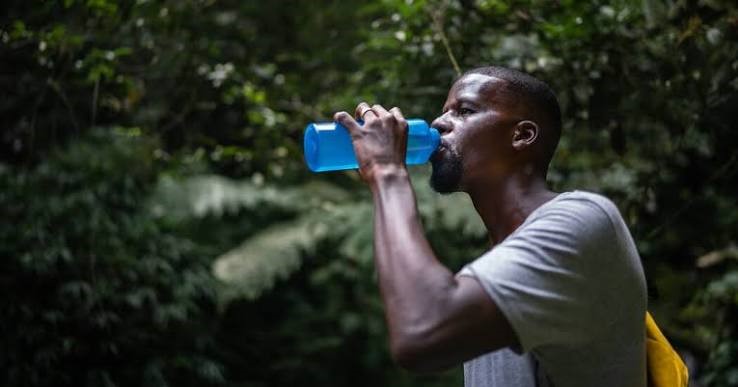
Health experts are encouraging people to prioritize proper hydration as extreme weather events become more frequent in many parts of the world. Rising temperatures and prolonged heatwaves can increase the risk of dehydration, heat exhaustion, and other heat-related illnesses, particularly among vulnerable populations.
Medical professionals say staying adequately hydrated is one of the simplest yet most effective ways to help the body regulate temperature and maintain normal physical functions during hot weather.
Why Hydration Matters
Water plays a vital role in nearly every function of the body. It helps regulate body temperature, transports nutrients, supports digestion, lubricates joints, and removes waste through urine and sweat.
During periods of extreme heat, the body loses more fluids through perspiration in an effort to cool itself. If these fluids are not replaced, dehydration can occur, affecting physical performance and overall health.

Doctors warn that even mild dehydration may lead to fatigue, headaches, dizziness, and reduced concentration.
Who Faces the Greatest Risk?
Healthcare professionals say some groups are more vulnerable to dehydration and heat-related illnesses, including:
- Older adults
- Infants and young children
- Pregnant women
- People with chronic medical conditions
- Outdoor workers
- Athletes and individuals who exercise in hot weather
People taking certain medications that affect fluid balance should also consult their healthcare provider about staying hydrated during periods of extreme heat.
Early Signs of Dehydration
Experts advise people to recognize the early warning signs of dehydration, which may include:
- Increased thirst
- Dry mouth or lips
- Dark yellow urine
- Reduced urination
- Headache
- Fatigue or weakness
- Dizziness or lightheadedness
- Muscle cramps
Severe dehydration can become a medical emergency and may require immediate medical attention.
Tips for Staying Hydrated
Health experts recommend several practical ways to maintain healthy hydration levels during hot weather:
- Drink water regularly throughout the day, even before feeling thirsty.
- Increase fluid intake during outdoor activities or exercise.
- Eat water-rich foods such as watermelon, oranges, cucumbers, tomatoes, and lettuce.
- Limit excessive consumption of alcohol and sugary beverages, which may contribute to fluid loss in some situations.
- Carry a reusable water bottle when traveling or spending time outdoors.
- Take breaks in shaded or air-conditioned areas during periods of intense heat.
Experts note that individual fluid needs vary depending on age, health status, activity level, and environmental conditions.
Preventing Heat-Related Illness
Alongside proper hydration, healthcare professionals recommend taking additional precautions during extreme weather:
- Wear lightweight, loose-fitting clothing.
- Avoid strenuous outdoor activities during the hottest hours of the day.
- Use hats, umbrellas, or sunscreen to reduce sun exposure.
- Check on older relatives, neighbors, and people living alone during heatwaves.
- Never leave children or pets inside parked vehicles.
Taking these preventive measures can help reduce the risk of heat exhaustion and heatstroke.
Climate Change and Public Health
Public health experts say rising global temperatures and more frequent extreme weather events have increased the importance of heat safety awareness. Many countries are strengthening heat action plans and public education campaigns to help communities prepare for periods of unusually high temperatures.
Healthcare professionals emphasize that simple preventive measures, including staying hydrated, can significantly reduce the health risks associated with extreme weather.
When to Seek Medical Care
Doctors advise seeking immediate medical attention if someone develops symptoms such as confusion, loss of consciousness, seizures, difficulty breathing, or a body temperature that remains dangerously high despite cooling efforts. These may be signs of heatstroke, a life-threatening condition that requires emergency treatment.
Individuals experiencing persistent vomiting, severe dizziness, or an inability to drink fluids should also seek prompt medical evaluation.
Looking Ahead
As extreme weather becomes an increasing public health concern, experts continue to encourage individuals and communities to make hydration a daily priority. Drinking enough water, recognizing the signs of dehydration, and taking sensible precautions during hot conditions can help protect health and reduce the risk of serious heat-related illnesses.
Health authorities say public awareness, early prevention, and community support will remain essential as countries adapt to changing weather patterns and rising temperatures.




