


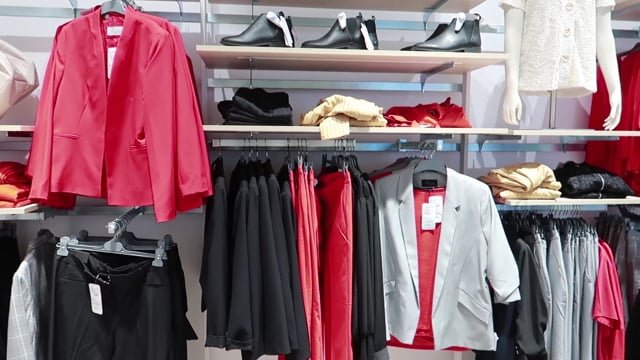
Most people think of clothes as an expense. You buy a shirt because the old one has mysteriously shrunk after meeting the washing machine. You replace your shoes because the soles now have a closer relationship with the ground than they should. You convince yourself that buying another blazer is absolutely necessary because, somehow, black comes in at least seven different shades.
But here’s a perspective that might change how you look at your closet forever: your wardrobe isn’t just a collection of fabrics hanging on wooden hangers. It’s one of the most overlooked business investments you can make.
Yes, before you roll your eyes and accuse the fashion industry of inventing another excuse to empty your wallet, hear this out. The evidence is surprisingly convincing.
The business world has always operated on perception before conversation. Long before someone hears your pitch, reads your proposal, or experiences your expertise, they see you. Human beings make impressions in seconds, and those first impressions often linger far longer than we’d like to admit. Whether fair or unfair, appearance communicates confidence, discipline, attention to detail, professionalism, and even competence.

Imagine walking into an important meeting wearing a wrinkled shirt that looks like it lost a wrestling match with your laundry basket. Your shoes appear to have survived several economic recessions, and your jacket fits like it belonged to your older cousin in secondary school. Now imagine the same meeting with well-fitted clothing, polished shoes, and an outfit that quietly says, “I came prepared.”
Nothing about your intelligence changed.
Nothing about your qualifications changed.
Nothing about your experience changed.
Yet people’s expectations of you probably did.
That isn’t vanity. That’s psychology.
Researchers have repeatedly found that clothing influences not only how other people perceive us but also how we perceive ourselves. There’s even a psychological phenomenon called “enclothed cognition,” suggesting that what we wear can influence our confidence, focus, and performance. In simple terms, sometimes dressing like a professional actually helps you behave like one.
Think about it. Have you ever worn a new outfit and suddenly started walking with the confidence of someone who owns three companies and a yacht? Meanwhile, on days when you’re dressed like you accidentally escaped from your bedroom, even asking for extra ketchup at a restaurant feels like a major negotiation.
Confidence has strange sources.
Your wardrobe happens to be one of them.
Business owners, entrepreneurs, executives, freelancers, consultants, salespeople, and even job seekers all rely on trust. Trust is difficult to build but surprisingly easy to weaken. Professional appearance doesn’t create trust by itself, but it removes unnecessary doubts before conversations even begin.
Imagine hiring two consultants with identical qualifications. One appears organized, polished, and intentional. The other arrives looking like they packed their outfit during a power outage.
Most people already know who they’d feel more comfortable paying.
Again, it isn’t because clothing creates intelligence.
It simply signals professionalism.
The fashion choices you make also communicate your understanding of context. Wearing appropriate attire for meetings, presentations, networking events, or business dinners shows respect not just for yourself but for the people you’re meeting. It demonstrates emotional intelligence and awareness of professional environments.
Now, this doesn’t mean everyone needs expensive designer labels.
Let’s settle that myth immediately.
Owning a suit worth thousands doesn’t automatically transform someone into a successful entrepreneur. If that were true, mannequins in luxury stores would all be Fortune 500 CEOs.
Fit matters more than logos.
Cleanliness matters more than price.
Quality matters more than quantity.
A carefully selected wardrobe of versatile, well-maintained pieces often creates a stronger impression than an overflowing closet full of random fashion experiments that seemed like good ideas during online shopping at 2 a.m.
Smart professionals often build what many call a capsule wardrobe a collection of timeless clothing that mixes and matches effortlessly. This approach saves money, reduces decision fatigue, and ensures you’re consistently prepared for business opportunities.
Because opportunities rarely send calendar invitations.
Sometimes your biggest client appears unexpectedly.
Sometimes your dream employer requests an interview tomorrow.
Sometimes someone says, “I’d like to introduce you to an investor.”
Those moments don’t usually come with a 48-hour wardrobe preparation period.
Your closet should already be ready.
Interestingly, investing in clothing can also improve productivity. It sounds almost ridiculous until you think about how much mental energy people waste wondering whether they look presentable. Feeling comfortable and appropriately dressed allows your attention to remain on the work rather than your appearance.
There’s another financial angle many over look.
Quality clothing often lasts significantly longer than cheaper alternatives. Instead of replacing low-quality shoes every year, investing once in durable footwear can save money over time. The same applies to jackets, belts, watches, bags, and other wardrobe essentials.
Cheap fashion frequently becomes expensive through repetition.
Quality purchases often become economical through longevity.
Networking also benefits from intentional dressing. Conferences, seminars, trade exhibitions, and business events place professionals among strangers. People naturally gravitate toward individuals who appear approachable, competent, and confident. While personality ultimately sustains relationships, appearance frequently starts conversations.
Think of your wardrobe as silent marketing.
Before your business card speaks…
Before your website loads…
Before your LinkedIn profile impresses…
Your appearance has already introduced your personal brand.
This is particularly true in client-facing industries such as finance, consulting, law, real estate, hospitality, healthcare management, and corporate leadership. Even in creative industries where dress codes are more relaxed, intentional style still communicates authenticity, professionalism, and confidence.
Remote work hasn’t eliminated this reality either.
Video meetings have simply relocated the runway from office corridors to webcams.
Everyone has experienced that awkward colleague wearing a crisp shirt on camera while secretly pairing it with pajama bottoms. We won’t judge. Innovation comes in many forms.
But even virtual meetings reward professionalism. Good grooming, appropriate clothing, and neat presentation continue influencing credibility through digital screens.
Of course, balance is important.
A wardrobe should never become a source of financial stress. Going into debt to purchase luxury clothing defeats the purpose of making smart business investments. Strategic buying always beats emotional shopping.
If your shopping strategy begins with, “It’s 70% off, so I basically made money,” you may need another conversation with your calculator.
The goal is intentional investment, not uncontrolled consumption.
Build gradually.
Choose timeless designs.
Prioritize fit.
Maintain your clothing properly.
Rotate your wardrobe.
Repair instead of replacing whenever practical.
Treat every purchase as part of your professional toolkit rather than another impulsive fashion decision.
Successful businesses invest in branding because perception influences opportunity. Individuals should approach personal presentation with similar wisdom. Your wardrobe represents your mobile brand identity. Every meeting, interview, presentation, negotiation, conference, and networking event becomes an opportunity for that investment to generate returns.
As DDM News continues highlighting practical strategies that support professional growth and entrepreneurial success, one lesson remains remarkably consistent: small improvements often produce significant long-term results. A thoughtful wardrobe may not guarantee success, but it certainly helps create the environment where opportunities are more likely to flourish.
Ultimately, your knowledge remains your greatest asset. Your skills build your reputation. Your integrity sustains your career. Yet your wardrobe often opens the door that allows those qualities to be noticed in the first place.
So the next time you look at that neatly pressed blazer, those polished shoes, or that perfectly fitted shirt, don’t just see clothing.
See marketing.
See confidence.
See preparation.
See opportunity.
And perhaps most importantly, see an investment that quietly works every single day without asking for a salary.
As DDM News observes, business success is rarely built on one dramatic decision. More often, it is shaped by dozens of thoughtful choices that communicate excellence before a single word is spoken. Your wardrobe is one of those choices, and when approached with purpose rather than impulse, it becomes far more than fashion. It becomes a practical business asset capable of influencing perceptions, opening conversations, strengthening confidence, and helping transform everyday encounters into career-defining opportunities.
Most people think of clothes as an expense. You buy a shirt because the old one has mysteriously shrunk after meeting the washing machine. You replace your shoes because the soles now have a closer relationship with the ground than they should. You convince yourself that buying another blazer is absolutely necessary because, somehow, black comes in at least seven different shades.
But here’s a perspective that might change how you look at your closet forever: your wardrobe isn’t just a collection of fabrics hanging on wooden hangers. It’s one of the most overlooked business investments you can make.
Yes, before you roll your eyes and accuse the fashion industry of inventing another excuse to empty your wallet, hear this out. The evidence is surprisingly convincing.
The business world has always operated on perception before conversation. Long before someone hears your pitch, reads your proposal, or experiences your expertise, they see you. Human beings make impressions in seconds, and those first impressions often linger far longer than we’d like to admit. Whether fair or unfair, appearance communicates confidence, discipline, attention to detail, professionalism, and even competence.
Imagine walking into an important meeting wearing a wrinkled shirt that looks like it lost a wrestling match with your laundry basket. Your shoes appear to have survived several economic recessions, and your jacket fits like it belonged to your older cousin in secondary school. Now imagine the same meeting with well-fitted clothing, polished shoes, and an outfit that quietly says, “I came prepared.”
Nothing about your intelligence changed.
Nothing about your qualifications changed.
Nothing about your experience changed.
Yet people’s expectations of you probably did.
That isn’t vanity. That’s psychology.
Researchers have repeatedly found that clothing influences not only how other people perceive us but also how we perceive ourselves. There’s even a psychological phenomenon called “enclothed cognition,” suggesting that what we wear can influence our confidence, focus, and performance. In simple terms, sometimes dressing like a professional actually helps you behave like one.
Think about it. Have you ever worn a new outfit and suddenly started walking with the confidence of someone who owns three companies and a yacht? Meanwhile, on days when you’re dressed like you accidentally escaped from your bedroom, even asking for extra ketchup at a restaurant feels like a major negotiation.
Confidence has strange sources.
Your wardrobe happens to be one of them.
Business owners, entrepreneurs, executives, freelancers, consultants, salespeople, and even job seekers all rely on trust. Trust is difficult to build but surprisingly easy to weaken. Professional appearance doesn’t create trust by itself, but it removes unnecessary doubts before conversations even begin.
Imagine hiring two consultants with identical qualifications. One appears organized, polished, and intentional. The other arrives looking like they packed their outfit during a power outage.
Most people already know who they’d feel more comfortable paying.
Again, it isn’t because clothing creates intelligence.
It simply signals professionalism.
The fashion choices you make also communicate your understanding of context. Wearing appropriate attire for meetings, presentations, networking events, or business dinners shows respect not just for yourself but for the people you’re meeting. It demonstrates emotional intelligence and awareness of professional environments.
Now, this doesn’t mean everyone needs expensive designer labels.
Let’s settle that myth immediately.
Owning a suit worth thousands doesn’t automatically transform someone into a successful entrepreneur. If that were true, mannequins in luxury stores would all be Fortune 500 CEOs.
Fit matters more than logos.
Cleanliness matters more than price.
Quality matters more than quantity.
A carefully selected wardrobe of versatile, well-maintained pieces often creates a stronger impression than an overflowing closet full of random fashion experiments that seemed like good ideas during online shopping at 2 a.m.
Smart professionals often build what many call a capsule wardrobe—a collection of timeless clothing that mixes and matches effortlessly. This approach saves money, reduces decision fatigue, and ensures you’re consistently prepared for business opportunities.
Because opportunities rarely send calendar invitations.
Sometimes your biggest client appears unexpectedly.
Sometimes your dream employer requests an interview tomorrow.
Sometimes someone says, “I’d like to introduce you to an investor.”
Those moments don’t usually come with a 48-hour wardrobe preparation period.
Your closet should already be ready.
Interestingly, investing in clothing can also improve productivity. It sounds almost ridiculous until you think about how much mental energy people waste wondering whether they look presentable. Feeling comfortable and appropriately dressed allows your attention to remain on the work rather than your appearance.
There’s another financial angle many overlook.
Quality clothing often lasts significantly longer than cheaper alternatives. Instead of replacing low-quality shoes every year, investing once in durable footwear can save money over time. The same applies to jackets, belts, watches, bags, and other wardrobe essentials.
Cheap fashion frequently becomes expensive through repetition.
Quality purchases often become economical through longevity.
Networking also benefits from intentional dressing. Conferences, seminars, trade exhibitions, and business events place professionals among strangers. People naturally gravitate toward individuals who appear approachable, competent, and confident. While personality ultimately sustains relationships, appearance frequently starts conversations.
Think of your wardrobe as silent marketing.
Before your business card speaks…
Before your website loads…
Before your LinkedIn profile impresses…
Your appearance has already introduced your personal brand.
This is particularly true in client-facing industries such as finance, consulting, law, real estate, hospitality, healthcare management, and corporate leadership. Even in creative industries where dress codes are more relaxed, intentional style still communicates authenticity, professionalism, and confidence.
Remote work hasn’t eliminated this reality either.
Video meetings have simply relocated the runway from office corridors to webcams.
Everyone has experienced that awkward colleague wearing a crisp shirt on camera while secretly pairing it with pajama bottoms. We won’t judge. Innovation comes in many forms.
But even virtual meetings reward professionalism. Good grooming, appropriate clothing, and neat presentation continue influencing credibility through digital screens.
Of course, balance is important.
A wardrobe should never become a source of financial stress. Going into debt to purchase luxury clothing defeats the purpose of making smart business investments. Strategic buying always beats emotional shopping.
If your shopping strategy begins with, “It’s 70% off, so I basically made money,” you may need another conversation with your calculator.
The goal is intentional investment, not uncontrolled consumption.
Build gradually.
Choose timeless designs.
Prioritize fit.
Maintain your clothing properly.
Rotate your wardrobe.
Repair instead of replacing whenever practical.
Treat every purchase as part of your professional toolkit rather than another impulsive fashion decision.
Successful businesses invest in branding because perception influences opportunity. Individuals should approach personal presentation with similar wisdom. Your wardrobe represents your mobile brand identity. Every meeting, interview, presentation, negotiation, conference, and networking event becomes an opportunity for that investment to generate returns.
As DDM News continues highlighting practical strategies that support professional growth and entrepreneurial success, one lesson remains remarkably consistent: small improvements often produce significant long-term results. A thoughtful wardrobe may not guarantee success, but it certainly helps create the environment where opportunities are more likely to flourish.
Ultimately, your knowledge remains your greatest asset. Your skills build your reputation. Your integrity sustains your career. Yet your wardrobe often opens the door that allows those qualities to be noticed in the first place.
So the next time you look at that neatly pressed blazer, those polished shoes, or that perfectly fitted shirt, don’t just see clothing.
See marketing.
See confidence.
See preparation.
See opportunity.
And perhaps most importantly, see an investment that quietly works every single day without asking for a salary.
As DDM News observes, business success is rarely built on one dramatic decision. More often, it is shaped by dozens of thoughtful choices that communicate excellence before a single word is spoken. Your wardrobe is one of those choices, and when approached with purpose rather than impulse, it becomes far more than fashion. It becomes a practical business asset capable of influencing perceptions, opening conversations, strengthening confidence, and helping transform everyday encounters into career-defining opportunities.
Most people think of clothes as an expense. You buy a shirt because the old one has mysteriously shrunk after meeting the washing machine. You replace your shoes because the soles now have a closer relationship with the ground than they should. You convince yourself that buying another blazer is absolutely necessary because, somehow, black comes in at least seven different shades.
But here’s a perspective that might change how you look at your closet forever: your wardrobe isn’t just a collection of fabrics hanging on wooden hangers. It’s one of the most overlooked business investments you can make.
Yes, before you roll your eyes and accuse the fashion industry of inventing another excuse to empty your wallet, hear this out. The evidence is surprisingly convincing.
The business world has always operated on perception before conversation. Long before someone hears your pitch, reads your proposal, or experiences your expertise, they see you. Human beings make impressions in seconds, and those first impressions often linger far longer than we’d like to admit. Whether fair or unfair, appearance communicates confidence, discipline, attention to detail, professionalism, and even competence.
Imagine walking into an important meeting wearing a wrinkled shirt that looks like it lost a wrestling match with your laundry basket. Your shoes appear to have survived several economic recessions, and your jacket fits like it belonged to your older cousin in secondary school. Now imagine the same meeting with well-fitted clothing, polished shoes, and an outfit that quietly says, “I came prepared.”
Nothing about your intelligence changed.
Nothing about your qualifications changed.
Nothing about your experience changed.
Yet people’s expectations of you probably did.
That isn’t vanity. That’s psychology.
Researchers have repeatedly found that clothing influences not only how other people perceive us but also how we perceive ourselves. There’s even a psychological phenomenon called “enclothed cognition,” suggesting that what we wear can influence our confidence, focus, and performance. In simple terms, sometimes dressing like a professional actually helps you behave like one.
Think about it. Have you ever worn a new outfit and suddenly started walking with the confidence of someone who owns three companies and a yacht? Meanwhile, on days when you’re dressed like you accidentally escaped from your bedroom, even asking for extra ketchup at a restaurant feels like a major negotiation.
Confidence has strange sources.
Your wardrobe happens to be one of them.
Business owners, entrepreneurs, executives, freelancers, consultants, salespeople, and even job seekers all rely on trust. Trust is difficult to build but surprisingly easy to weaken. Professional appearance doesn’t create trust by itself, but it removes unnecessary doubts before conversations even begin.
Imagine hiring two consultants with identical qualifications. One appears organized, polished, and intentional. The other arrives looking like they packed their outfit during a power outage.
Most people already know who they’d feel more comfortable paying.
Again, it isn’t because clothing creates intelligence.
It simply signals professionalism.
The fashion choices you make also communicate your understanding of context. Wearing appropriate attire for meetings, presentations, networking events, or business dinners shows respect—not just for yourself but for the people you’re meeting. It demonstrates emotional intelligence and awareness of professional environments.
Now, this doesn’t mean everyone needs expensive designer labels.
Let’s settle that myth immediately.
Owning a suit worth thousands doesn’t automatically transform someone into a successful entrepreneur. If that were true, mannequins in luxury stores would all be Fortune 500 CEOs.
Fit matters more than logos.
Cleanliness matters more than price.
Quality matters more than quantity.
A carefully selected wardrobe of versatile, well-maintained pieces often creates a stronger impression than an overflowing closet full of random fashion experiments that seemed like good ideas during online shopping at 2 a.m.
Smart professionals often build what many call a capsule wardrobe—a collection of timeless clothing that mixes and matches effortlessly. This approach saves money, reduces decision fatigue, and ensures you’re consistently prepared for business opportunities.
Because opportunities rarely send calendar invitations.
Sometimes your biggest client appears unexpectedly.
Sometimes your dream employer requests an interview tomorrow.
Sometimes someone says, “I’d like to introduce you to an investor.”
Those moments don’t usually come with a 48-hour wardrobe preparation period.
Your closet should already be ready.
Interestingly, investing in clothing can also improve productivity. It sounds almost ridiculous until you think about how much mental energy people waste wondering whether they look presentable. Feeling comfortable and appropriately dressed allows your attention to remain on the work rather than your appearance.
There’s another financial angle many overlook.
Quality clothing often lasts significantly longer than cheaper alternatives. Instead of replacing low-quality shoes every year, investing once in durable footwear can save money over time. The same applies to jackets, belts, watches, bags, and other wardrobe essentials.
Cheap fashion frequently becomes expensive through repetition.
Quality purchases often become economical through longevity.
Networking also benefits from intentional dressing. Conferences, seminars, trade exhibitions, and business events place professionals among strangers. People naturally gravitate toward individuals who appear approachable, competent, and confident. While personality ultimately sustains relationships, appearance frequently starts conversations.
Think of your wardrobe as silent marketing.
Before your business card speaks…
Before your website loads…
Before your LinkedIn profile impresses…
Your appearance has already introduced your personal brand.
This is particularly true in client-facing industries such as finance, consulting, law, real estate, hospitality, healthcare management, and corporate leadership. Even in creative industries where dress codes are more relaxed, intentional style still communicates authenticity, professionalism, and confidence.
Remote work hasn’t eliminated this reality either.
Video meetings have simply relocated the runway from office corridors to webcams.
Everyone has experienced that awkward colleague wearing a crisp shirt on camera while secretly pairing it with pajama bottoms. We won’t judge. Innovation comes in many forms.
But even virtual meetings reward professionalism. Good grooming, appropriate clothing, and neat presentation continue influencing credibility through digital screens.
Of course, balance is important.
A wardrobe should never become a source of financial stress. Going into debt to purchase luxury clothing defeats the purpose of making smart business investments. Strategic buying always beats emotional shopping.
If your shopping strategy begins with, “It’s 70% off, so I basically made money,” you may need another conversation with your calculator.
The goal is intentional investment, not uncontrolled consumption.
Build gradually.
Choose timeless designs.
Prioritize fit.
Maintain your clothing properly.
Rotate your wardrobe.
Repair instead of replacing whenever practical.
Treat every purchase as part of your professional toolkit rather than another impulsive fashion decision.
Successful businesses invest in branding because perception influences opportunity. Individuals should approach personal presentation with similar wisdom. Your wardrobe represents your mobile brand identity. Every meeting, interview, presentation, negotiation, conference, and networking event becomes an opportunity for that investment to generate returns.
As DDM News continues highlighting practical strategies that support professional growth and entrepreneurial success, one lesson remains remarkably consistent: small improvements often produce significant long-term results. A thoughtful wardrobe may not guarantee success, but it certainly helps create the environment where opportunities are more likely to flourish.
Ultimately, your knowledge remains your greatest asset. Your skills build your reputation. Your integrity sustains your career. Yet your wardrobe often opens the door that allows those qualities to be noticed in the first place.
So the next time you look at that neatly pressed blazer, those polished shoes, or that perfectly fitted shirt, don’t just see clothing.
See marketing.
See confidence.
See preparation.
See opportunity.
And perhaps most importantly, see an investment that quietly works every single day without asking for a salary.
As DDM News observes, business success is rarely built on one dramatic decision. More often, it is shaped by dozens of thoughtful choices that communicate excellence before a single word is spoken. Your wardrobe is one of those choices, and when approached with purpose rather than impulse, it becomes far more than fashion. It becomes a practical business asset capable of influencing perceptions, opening conversations, strengthening confidence, and helping transform everyday encounters into career-defining opportunities.




