


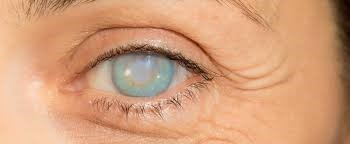
Blindness and severe vision loss often develop gradually, making early warning signs easy to overlook. Eye specialists say recognizing symptoms early and seeking prompt treatment can help prevent permanent damage in many cases.
According to health experts, several eye conditions that may eventually lead to blindness can often be managed successfully if detected in time.
Blurred Vision
One of the earliest and most common warning signs is persistent blurred vision. Difficulty seeing clearly, even after cleaning glasses or resting the eyes, may indicate underlying problems such as cataracts, glaucoma, or refractive errors.

Doctors advise individuals not to ignore ongoing blurry vision, especially when it worsens over time.
Difficulty Seeing at Night
Poor night vision can also be an important warning sign. Struggling to drive, walk, or recognize objects in dim lighting may suggest eye conditions affecting the retina or lens of the eye.
Health professionals note that night blindness may sometimes be linked to vitamin deficiencies or diseases affecting the retina.
Frequent Eye Pain or Pressure
Persistent pain, pressure, or headaches around the eyes should also be taken seriously. In some cases, increased pressure inside the eye may be associated with Glaucoma, a major cause of irreversible blindness worldwide.
Experts warn that glaucoma can progress silently without obvious symptoms until significant vision damage has already occurred.
Sudden Flashes or Floaters
Seeing flashes of light, floating spots, or shadows across vision may indicate problems involving the retina. Eye doctors say these symptoms could sometimes signal retinal tears or retinal detachment, which require urgent medical attention.
Loss of Peripheral Vision
Difficulty seeing objects at the sides while looking straight ahead may be another early indicator of serious eye disease. This gradual narrowing of side vision is commonly associated with glaucoma.
People may not notice the problem immediately because the loss often develops slowly.
Sensitivity to Light
Extreme sensitivity to light or discomfort in bright environments may also point to underlying eye inflammation or damage.
Experts say persistent light sensitivity should be evaluated by an eye specialist, especially when accompanied by redness or pain.
Frequent Changes in Vision
Constant changes in eyesight, including rapidly worsening vision or difficulty focusing, may sometimes be linked to conditions such as Diabetes, high blood pressure, or cataracts.
Regular eye examinations are strongly recommended for individuals living with chronic illnesses.
Importance of Early Eye Checks
Eye specialists emphasize that many causes of blindness can be prevented or slowed through early diagnosis and treatment.
Routine eye examinations can help detect conditions before noticeable vision loss occurs. Doctors particularly encourage older adults, people with diabetes, and individuals with a family history of eye disease to undergo regular eye screenings.
Protecting Eye Health
Health experts recommend several ways to support healthy vision:
- Eating a balanced diet rich in vitamins
- Managing blood sugar and blood pressure
- Wearing protective eyewear when necessary
- Avoiding smoking
- Limiting excessive screen strain
- Scheduling regular eye examinations
Medical professionals stress that ignoring early warning signs may increase the risk of permanent vision damage, while timely medical care can help preserve eyesight and improve quality of life.



