


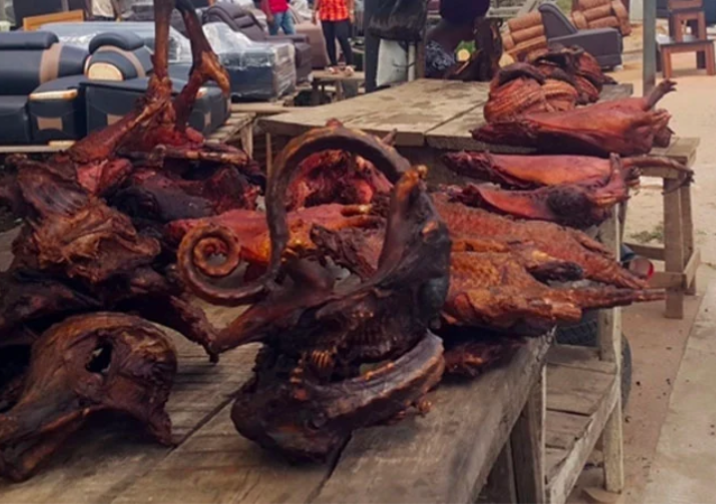
Medical experts in Nigeria have raised renewed concern over the consumption and handling of bush meat, warning that continued exposure to wild animals could increase the risk of Ebola virus transmission as several African countries strengthen surveillance against emerging infectious diseases.
The warning comes amid heightened monitoring across parts of the continent following reports of Ebola related alerts and intensified public health preparedness. Although Nigeria has not recorded any new confirmed Ebola case in recent times, health authorities insist that vigilance is essential due to the ease with which infectious diseases can spread across borders through travel, trade, and human movement.
Health Experts Call for Stronger Public Awareness

Physicians and public health specialists say Nigeria must not become complacent, recalling how quickly past outbreaks escalated in West Africa. They stress that early prevention remains the most effective defense against potentially deadly epidemics that can overwhelm fragile health systems.
Medical professionals caution that bush meat, which includes wildlife such as bats, monkeys, chimpanzees, and antelopes, is strongly associated with zoonotic disease transmission. These animals are considered potential carriers of viruses that can jump from animals to humans, including Ebola.
Experts explain that risks arise during hunting, slaughtering, transporting, and preparing wild animals for consumption. Direct contact with infected blood or bodily fluids remains one of the primary ways Ebola spreads to humans.
Understanding Ebola Transmission and Symptoms
Health specialists describe Ebola virus disease as a severe and often fatal illness transmitted through direct contact with infected animals or humans. Once inside the human body, the virus spreads rapidly through bodily fluids, making close contact environments especially dangerous.
According to infectious disease experts, symptoms may initially resemble common illnesses, which can delay diagnosis and increase the risk of transmission. Early signs include fever, fatigue, severe headache, sore throat, muscle pain, vomiting, diarrhea, and general weakness. In advanced stages, patients may suffer internal bleeding, organ failure, and death.
Public health authorities emphasize that early detection, isolation, and treatment are critical to improving survival rates and preventing community spread.
Lessons From the 2014 West Africa Outbreak
Medical experts have repeatedly referenced the devastating Ebola outbreak that struck West Africa in 2014, which claimed thousands of lives across Guinea, Liberia, and Sierra Leone. The outbreak remains one of the most severe public health emergencies in modern African history.
Nigeria’s response during that period is widely regarded as a success story. The country was able to contain the virus through rapid emergency action, coordinated surveillance systems, contact tracing, and strong public awareness campaigns. Health officials say this achievement must serve as a reminder of the importance of preparedness and swift response.
Despite that success, doctors warn that changing environmental conditions, population growth, and increased interaction between humans and wildlife could create new pathways for future outbreaks if preventive measures are ignored.
Government and Health Agencies Strengthen Surveillance
The Nigeria Centre for Disease Control and Prevention has continued to reinforce disease monitoring systems across airports, seaports, and land borders. The agency is also intensifying community level awareness campaigns in areas considered high risk due to wildlife exposure and cross border movement.
Public health officials say early detection systems are essential for identifying suspected cases before they spread widely. Rapid response teams have also been placed on alert in case of any emergency signals.
Medical practitioners are urging collaboration between government agencies, community leaders, religious institutions, and media platforms to ensure accurate information reaches the public.
Doctors Advise Nigerians on Prevention Measures
Health experts are advising Nigerians to avoid purchasing bush meat from unknown sources, especially from roadside vendors or unregulated markets. They recommend that all meat consumed should be properly inspected, hygienically processed, and thoroughly cooked to reduce health risks.
Citizens are also encouraged to maintain strict hygiene practices, including regular hand washing with soap and clean water, avoiding contact with bodily fluids, and seeking immediate medical attention if unusual symptoms develop.
Doctors warn that delays in reporting symptoms can worsen outcomes and increase the risk of community transmission, especially in densely populated areas.
Wider Public Health Risks Beyond Ebola
Beyond Ebola, experts highlight that bush meat consumption may expose individuals to other dangerous diseases transmitted from animals to humans. These include Lassa fever, monkeypox, anthrax, and other emerging viral infections that continue to challenge public health systems across Africa.
Environmental health specialists also link rising disease outbreaks to deforestation and habitat destruction, which force wildlife into closer contact with human settlements. This increased interaction raises the likelihood of disease spillover from animals to humans.
Balancing Livelihood and Public Safety
Some nutrition and rural development experts acknowledge that bush meat remains an important source of protein and income for many rural communities. However, they stress that public safety must remain a priority, particularly during periods of heightened disease surveillance and outbreak alerts.
They encourage governments to provide alternative livelihood support and sustainable protein sources to reduce dependence on wildlife hunting and consumption.
Call for Stronger Preparedness and Responsible Behavior
Health professionals are urging authorities to invest more in healthcare infrastructure, disease research, and emergency preparedness systems capable of responding quickly to outbreaks.
They also emphasize the importance of public cooperation in reporting unusual illnesses, unexplained animal deaths, or suspected outbreaks to relevant authorities without delay.
According to experts, preventing outbreaks requires collective responsibility, strong public education, and consistent adherence to health guidelines.
As African countries continue to monitor Ebola risks, physicians maintain that prevention remains the strongest defense. They warn that avoiding risky wildlife contact, improving hygiene practices, and supporting public health initiatives could significantly reduce the chances of future outbreaks and protect millions of lives across Nigeria and the continent.




