


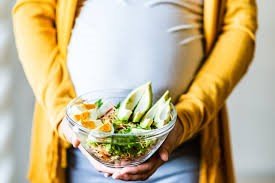
A well-planned pregnancy diet plays a key role in supporting the health of both the pregnant individual and the developing baby. Nutrition during this period should be balanced, nutrient-rich, and carefully managed to reduce the risk of complications.
Health experts generally recommend a diet that includes adequate protein, healthy fats, complex carbohydrates, vitamins, and minerals while avoiding foods that may carry harmful bacteria or toxins.
Key Dietary Guidelines for Pregnancy
A healthy pregnancy eating plan should focus on nutrient-dense foods that support fetal growth and maternal wellbeing.
Fruits and vegetables
Fruits and vegetables are essential sources of vitamins, minerals, and fiber. Most health guidelines recommend daily intake of a variety of fresh, frozen, or canned produce. Whole fruits are generally preferred over fruit juices due to higher fiber content.

Complex carbohydrates
Complex carbohydrates provide steady energy and support digestive health. These include whole grains (such as brown rice and oats), legumes, and starchy vegetables like sweet potatoes.
Refined carbohydrates such as white bread and sugary snacks should be limited when possible.
Protein sources
Protein is essential for fetal growth and tissue development. A balanced pregnancy diet should include both plant and animal protein sources.
Plant-based options include beans, lentils, tofu, nuts, and seeds. Animal sources such as eggs, fish, poultry, and lean meat provide complete amino acid profiles.
Healthy fats
Fats support brain development and hormone function during pregnancy. Unsaturated fats especially omega-3 fatty acids are particularly important.
Good sources include salmon, trout, walnuts, flaxseeds, and sunflower seeds. Saturated fats should be consumed in moderation.
Fiber
High-fiber foods such as whole grains, fruits, vegetables, beans, and lentils help support digestion and may reduce pregnancy-related constipation and hemorrhoids.
Key Nutrient Needs During Pregnancy
Pregnancy increases the body’s demand for several vitamins and minerals, including folate, vitamin B12, vitamin D, choline, and iron.
Because diet alone may not always meet these increased requirements, healthcare providers often recommend prenatal supplements throughout pregnancy and recovery.
Why Iron Is Important in Pregnancy
Iron is essential for producing hemoglobin, which carries oxygen in the blood. During pregnancy, blood volume increases significantly, raising iron requirements.
Low iron levels may lead to anemia, which can increase the risk of fatigue, premature birth, low birth weight, and complications during delivery.
Iron-rich foods include lean meat, poultry, fish, beans, lentils, and leafy green vegetables.
Foods and Drinks to Avoid During Pregnancy
Certain foods can increase the risk of infection or harm fetal development and should be avoided or strictly limited:
- High-mercury fish such as shark, swordfish, and marlin
- Raw or undercooked meat and seafood
- Raw eggs and foods containing them
- Unpasteurized soft cheeses such as brie and camembert
- Alcohol in any amount
- Excess caffeine from coffee, tea, energy drinks, and some medications
Alcohol is considered unsafe during pregnancy, as it can interfere with fetal development and lead to long-term complications.
High caffeine intake is also linked to risks such as low birth weight and miscarriage, so moderation is advised.
Healthy Weight Gain During Pregnancy
Weight gain during pregnancy is normal and necessary, but the recommended amount depends on the individual’s pre-pregnancy body mass index (BMI). Both insufficient and excessive weight gain may increase health risks for mother and baby.
Healthcare professionals typically provide personalized guidance based on individual health status and pregnancy type (single or multiple births).
Prenatal Supplements
Prenatal vitamins are commonly recommended to help meet increased nutritional needs. These often include:
- Folate (folic acid)
- Iron
- Vitamin D
- Vitamin B12
- Choline
- Magnesium
- Vitamin A (in safe amounts)
Some nutrients, such as choline and omega-3 fatty acids, are especially important for fetal brain development but may not always be included in standard supplements.
Summary
Pregnancy places increased nutritional demands on the body, making a balanced and nutrient-rich diet essential.
A healthy pregnancy diet should include:
- Adequate protein from both plant and animal sources
- Complex carbohydrates such as whole grains and vegetables
- Healthy fats, especially omega-3-rich foods
- High-fiber foods to support digestion
At the same time, alcohol, excess caffeine, raw foods, and certain high-risk seafood should be avoided.
Prenatal supplements can help fill nutritional gaps, but dietary choices remain the foundation of a healthy pregnancy. Professional medical guidance is recommended for personalized nutrition planning.




