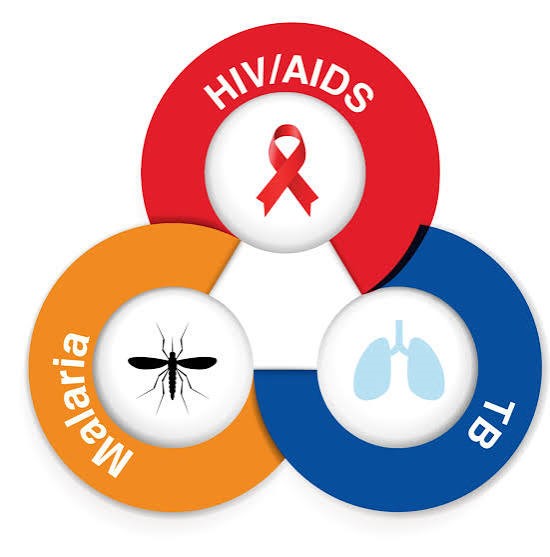
Anambra State has joined Lagos, Kwara and Gombe states in a Global Fund-supported initiative aimed at strengthening the delivery of HIV, tuberculosis (TB) and malaria services through greater private-sector participation.
The development was reported on August 16, 2026, following a technical assistance workshop focused on the implementation of the Alternative Delivery Model (ADM) for the three major public-health conditions.
The initiative is designed to improve access to essential health services by strengthening collaboration between government institutions, private healthcare providers and development partners.
Focus on private-sector participation
The Alternative Delivery Model seeks to create a more sustainable approach to delivering HIV, TB and malaria services through private healthcare facilities.
According to the Anambra State Government, the two-day technical assistance workshop was supported by the Global Fund through the Society for Family Health (SFH) and brought together representatives of government ministries, agencies, implementing partners and non-governmental organisations.
The workshop focused on strengthening implementation of the Technical Assistance Supported Alternative Delivery (TASAD) model, which is intended to expand access to health services through the private sector.
What the initiative means for Anambra
For Anambra residents, increased participation by private healthcare facilities could potentially make HIV, TB and malaria services available through a wider network of healthcare providers.
The approach is particularly important for communities where public health facilities may be limited or where patients may find private facilities more accessible.
By improving coordination between public authorities and private providers, health officials hope to strengthen prevention, testing, treatment and referral services.
Tackling three major health challenges
HIV, tuberculosis and malaria remain major public-health priorities in Nigeria.
The Global Fund is an international partnership that supports programmes aimed at combating HIV/AIDS, tuberculosis and malaria, while also strengthening health systems in countries where these diseases continue to have a significant impact.
Integrating services for the three diseases can help health facilities make more efficient use of healthcare workers, laboratories, medicines, information systems and referral networks.
The Global Fund has also identified integration of HIV, TB and malaria services within primary healthcare as an important strategy for improving health outcomes.
Government and partners collaborate
The Anambra workshop brought together multiple stakeholders to discuss how the Alternative Delivery Model can be effectively implemented.
The involvement of government agencies alongside private healthcare providers and development organisations is expected to help address practical challenges associated with service delivery.
The model also places emphasis on strengthening the capacity of participating facilities so that patients can receive appropriate services and referrals.
Wider health-system benefits
Beyond HIV, TB and malaria, strengthening collaboration between public and private healthcare providers could contribute to the wider development of Anambra’s health system.
Better coordination can improve patient referrals, data reporting, access to essential medicines and continuity of care.
It can also help health authorities identify gaps in service delivery and direct resources to areas where they are most needed.
Looking ahead
The participation of Anambra in the Global Fund-supported initiative marks another step towards expanding access to essential healthcare services in the state.
The success of the Alternative Delivery Model will depend on effective implementation, continued coordination among stakeholders and the ability of participating healthcare facilities to provide reliable and quality services.
For residents, the ultimate goal is improved access to HIV prevention and treatment, tuberculosis diagnosis and care, and malaria prevention and management through a broader network of healthcare providers.
As Anambra and the other participating states continue implementing the model, health authorities and development partners will be monitoring its impact on service access and delivery.