


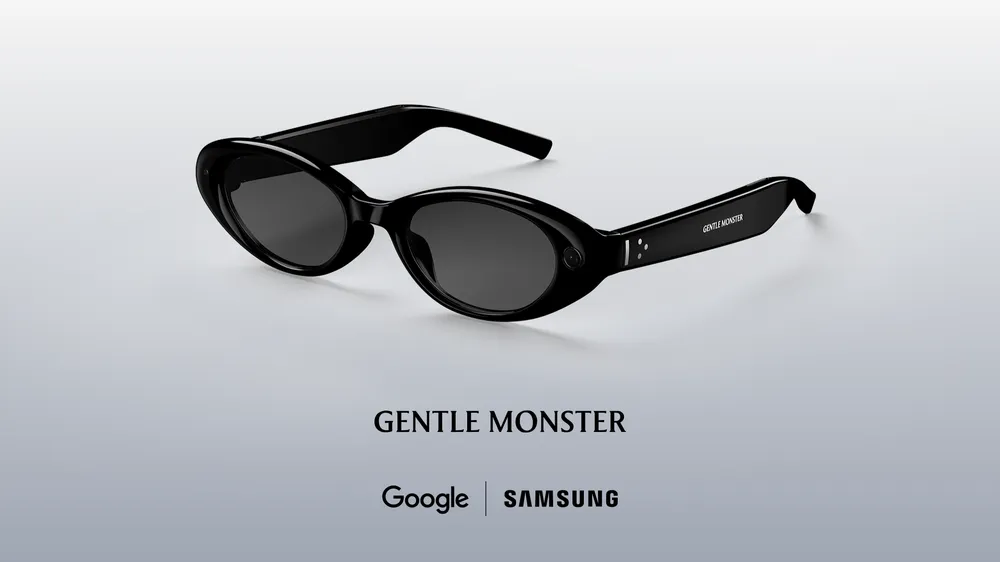
Google’s newly tested prototype artificial intelligence smart glasses reveal powerful real-time translation and visual navigation features.
Essentially, Google sparked massive excitement in the technology industry this week. The search giant presented new prototype artificial intelligence glasses. These smart frames rely on the powerful Gemini AI system. Early tests show the device is surprisingly close to launch.
Evolving Beyond Past Failures
Subsequently, Google wants to erase the mixed legacy of its early wearables. The company faced massive privacy backlash with the original Google Glass device over a decade ago. Developers learned vital lessons from those past public relations mistakes. The new prototypes focus heavily on discrete computing and user privacy. Engineers built the current frames to look like regular prescription eyewear. These subtle designs prevent the awkward social friction of earlier tech accessories.
Specifically, the tech giant calls this ongoing initiative Project Astra. DeepMind developers built this framework as a universal artificial intelligence assistant. The current smart glasses act as a physical vessel for this software. The company partnered with Aira to refine the system for visually impaired individuals. The underlying AI software processes these visual inputs almost instantly. This rapid processing speed represents a massive leap in wearable technology.

Real-Time AI Integration
Furthermore, real-world testing reveals stunning capabilities in these new frames. TechCrunch journalists recently tried the Android XR glasses at a developer conference. The reporters praised the accurate real-time translation of foreign text. The glasses seamlessly overlaid English translations onto signs and menus. This feature alone could revolutionize international travel and global business. The device completed these complex tasks without noticeable delays.
Additionally, the Gemini system powers impressive visual reasoning skills. A user can stare at a broken bicycle part and ask for help. The glasses will identify the exact mechanical issue within seconds. The AI then suggests relevant repair videos on YouTube. This level of problem-solving outpaces current smartphone camera assistants. The system remembers object locations, helping users find lost keys easily.

Practical Tools For Daily Use
Meanwhile, these smart frames integrate deeply into everyday software ecosystems. The underlying system links directly with Maps, Calendar, and Gmail. Users can navigate busy city streets using arrows projected onto the glass. The glasses read incoming emails out loud through small directional speakers. The AI easily manages daily schedules without requiring a smartphone screen. Such integration boosts productivity for busy professionals.
Simultaneously, these innovations spark broader shifts across multiple industries. Experts expect new hardware tools to reshape traditional job markets entirely. We already see this trend as blue-collar workers win big as AI hiring slows down in other sectors. Workers can use smart glasses to view repair manuals hands-free. Medical staff might review patient charts while performing basic procedures. This hands-free access to data improves efficiency in demanding physical jobs.
Hardware and Market Challenges
However, Google still faces significant hurdles before an official consumer launch. Battery life remains a stubborn challenge for complex wearable electronics. The constant video processing drains small batteries rapidly. Engineers must balance computing power against the physical weight of the glasses. Current prototypes still feel slightly heavier than traditional metal frames. A heavy device quickly causes discomfort during prolonged daily use.
Ultimately, competition in the smart wearables market remains incredibly fierce. Meta currently sells popular audio-focused glasses in partnership with Ray-Ban. Apple also pushes boundaries with its expensive mixed reality headsets. According to Gizmodo reports, Google might delay the final consumer launch to perfect the hardware. The search company wants a flawless release to dominate the market completely.
To conclude, Google clearly holds a strong hand in the wearable tech race. The Project Astra glasses demonstrate a highly functional augmented reality vision. Consumers eagerly await the final release date and official pricing details. The future of mobile computing likely sits right on our faces.




