


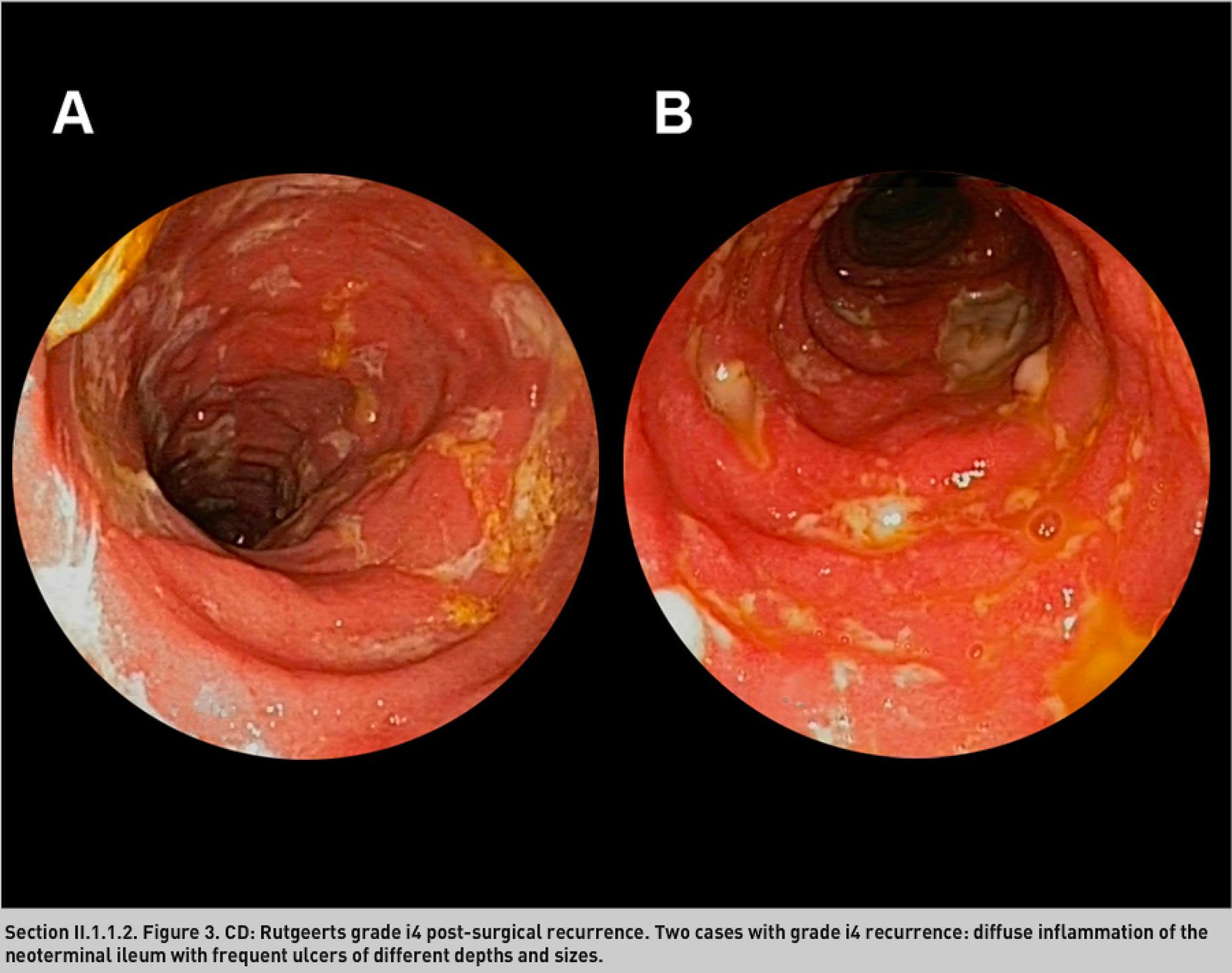
Inflammatory bowel disease (IBD) is an umbrella term used to describe chronic conditions that cause inflammation in the digestive tract, with Crohn’s disease and ulcerative colitis (UC) being the two main types.
Although both conditions involve an abnormal immune response that leads to ongoing inflammation, medical experts say they differ significantly in where they affect the body, how symptoms appear, and how they are treated.
Understanding inflammatory bowel disease
IBD is a long-term condition most commonly seen in developed countries. Researchers believe it may be linked to a combination of genetic factors, immune system dysfunction, and changes in gut bacteria.

The condition typically follows a pattern of flare-ups, when symptoms worsen, and remission periods, when symptoms improve or disappear. While there is currently no cure, treatment can help many patients manage symptoms and maintain a stable quality of life.
IBD is different from irritable bowel syndrome (IBS), which does not involve inflammation or long-term damage to the digestive tract.
Crohn’s disease: symptoms and effects
Crohn’s disease can affect any part of the gastrointestinal tract, from the mouth to the anus, though it most commonly impacts the end of the small intestine and the beginning of the colon.
Common symptoms include abdominal pain, persistent diarrhea, fatigue, weight loss, fever, blood in stool, and reduced appetite. In some cases, patients may also experience joint pain, skin conditions, or eye inflammation.
Because symptoms often worsen after eating, individuals with Crohn’s may avoid food, leading to malnutrition and weight loss.
The condition can also cause complications such as intestinal blockages, ulcers, and fistulas, which are abnormal connections between organs or tissues. In long-term cases involving large sections of the colon, there may be an increased risk of colorectal cancer.
Treatment usually involves medication, including steroids, immune system suppressants, antibiotics, and biologic therapies. Surgery may be required in severe cases, but it does not cure the disease.
Ulcerative colitis: symptoms and effects
Unlike Crohn’s disease, ulcerative colitis affects only the colon (large intestine) and typically involves continuous inflammation of the inner lining of the bowel.
Symptoms include abdominal pain, frequent and urgent bowel movements, diarrhea, blood in stool, fatigue, weight loss, and loss of appetite.
The severity and location of UC can vary. Medical classifications include ulcerative proctitis (limited to the rectum), left-sided colitis (affecting part of the colon), and extensive colitis (affecting the entire colon).
Possible complications include colon perforation, anemia, osteoporosis, liver disease, and an increased risk of colon cancer if left untreated.
Treatment options include anti-inflammatory medications, immune-modifying drugs, and biologics. Surgery is less common in UC than in Crohn’s disease and is typically considered only when other treatments fail.
Key differences between Crohn’s and ulcerative colitis
Health experts highlight several major distinctions between the two conditions. Crohn’s disease can affect any part of the digestive tract and may involve deeper layers of tissue, while ulcerative colitis is limited to the colon and affects only the inner lining.
Crohn’s is also more likely to require surgical intervention compared to UC.
Diagnosis and management
Doctors use tests such as colonoscopy, CT scans, blood tests, and stool analysis to distinguish between Crohn’s disease and ulcerative colitis.
Early diagnosis is important, as both conditions can lead to long-term complications if left untreated.
While neither condition has a cure, ongoing treatment, lifestyle adjustments, and medical monitoring can help control symptoms and reduce the frequency of flare-ups.
Support groups and patient education resources are also commonly recommended to help individuals manage life with chronic IBD conditions.




