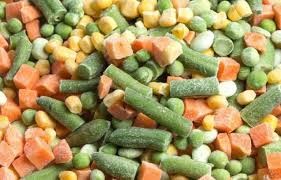
Frozen vegetables are often seen as a less healthy alternative to fresh produce, but nutrition experts say that assumption may not always be accurate. In many cases, frozen vegetables can retain equal or even higher levels of important nutrients and antioxidants compared to fresh vegetables that spend days or weeks in storage.
Researchers say the freezing process helps preserve vegetables at their nutritional peak, making frozen options a convenient and affordable choice for healthy eating.
Why frozen vegetables can hold more nutrients
Most commercially frozen vegetables are harvested at peak ripeness, when their vitamin and antioxidant content is highest. They are then processed and frozen within hours, helping lock in nutrients before natural degradation begins.
Fresh vegetables, on the other hand, are often harvested early to survive transportation and long storage periods. During that time, exposure to light, air, and temperature changes can gradually reduce nutrient levels.
Nutrition experts note that some vitamins, especially vitamin C, can decline significantly in fresh produce during transport and refrigeration.
Freezing may improve nutrient availability
The freezing process causes tiny ice crystals to form inside plant cells, which breaks down cell walls. This can make certain nutrients and antioxidants easier for the body to absorb.
Compounds such as beta-carotene, carotenoids, and antioxidants found in vegetables may become more bioavailable after freezing. Some vegetables also undergo a brief blanching process before freezing, which can help preserve color, texture, and nutrient quality.
Experts say this process may also reduce enzymes that naturally break down nutrients over time.
Vegetables that benefit most from freezing
Several vegetables appear to maintain strong nutritional value when frozen, including:
- Spinach and leafy greens
- Broccoli and cauliflower
- Peas
- Mixed vegetables
- Berries and other antioxidant-rich produce
Frozen spinach, for example, may provide more accessible nutrients than fresh spinach that has been stored in the refrigerator for several days.
Convenience can improve healthy eating
Health experts also point to the practical benefits of frozen vegetables. Because they last longer and require less preparation, people may be more likely to include vegetables regularly in their meals.
Frozen vegetables reduce food waste and offer year-round access to produce regardless of season. They can also be more affordable than fresh vegetables, especially when certain produce items are out of season.
How to get the most nutritional value
Experts recommend cooking frozen vegetables directly from frozen rather than thawing them first, as this can help preserve nutrients. Steaming, microwaving, or lightly sautéing vegetables with minimal water are often considered the best preparation methods.
Adding healthy fats such as olive oil or avocado can also improve the absorption of fat-soluble nutrients.
Fresh and frozen can both support healthy diets
Nutrition specialists emphasize that both fresh and frozen vegetables can be part of a balanced diet. The most important factor is regular vegetable consumption rather than focusing solely on whether produce is fresh or frozen.
With modern freezing methods helping preserve nutrients and antioxidants, frozen vegetables are increasingly being recognized as a practical and nutritious option for everyday meals.