


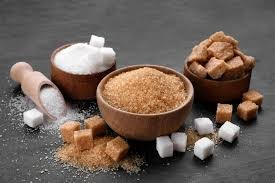
Food experts say the choice between brown sugar and white sugar can significantly influence the taste, texture, appearance, and overall outcome of baked foods and beverages.
Although the two sweeteners are often used interchangeably, culinary specialists explain that they differ in composition and performance during cooking and baking.
Key Difference Between Brown and White Sugar
White sugar is highly refined and contains almost pure sucrose with little or no molasses content. Its neutral flavor and dry texture make it widely used in baking and food preparation.

Brown sugar, however, contains molasses, which gives it its darker color, softer texture, and distinctive caramel-like flavor.
Experts say the molasses content also introduces moisture, acidity, and trace minerals that can affect how recipes develop during cooking.
Flavor and Texture Changes in Baking
Culinary professionals note that brown sugar often creates deeper and richer flavors compared to white sugar.
Its caramel and toffee-like taste tends to pair well with chocolate desserts, spice-based recipes, coffee cakes, gingerbread, and cookies.
Brown sugar also affects texture because its moisture content helps baked foods retain softness and chewiness. Cookies made with brown sugar are typically softer, while cakes and breads may become more moist and tender.
White sugar, on the other hand, is often preferred in recipes requiring crisp textures or lighter flavors, such as meringues, delicate cakes, and certain pastries.
Heat and Baking Reactions
Food scientists explain that the acidity in brown sugar can react with baking soda to improve rising and texture in baked goods.
Brown sugar also encourages faster browning during baking, often producing darker and more golden finishes in cookies and cakes.
However, because of its molasses content, brown sugar may burn more quickly if exposed to excessive heat.
Nutritional Differences Remain Small
Despite common beliefs, nutrition experts say the health differences between brown sugar and white sugar are relatively minor.
Brown sugar contains small amounts of minerals such as calcium, potassium, and iron due to its molasses content, but the quantities are considered too low to provide major nutritional benefits.
Both sugars have similar calorie content and produce nearly the same effect on blood sugar levels.
Health professionals continue to advise moderation in sugar consumption regardless of the type used.
Storage and Handling Differences
Brown sugar requires more careful storage because its moisture content makes it prone to hardening and clumping when exposed to air.
White sugar generally has a longer shelf life and is easier to measure and store.
Experts recommend keeping brown sugar in airtight containers to preserve its softness and usability.
Choosing the Right Sugar for Recipes
Cooking specialists say selecting between brown and white sugar should depend on the desired flavor, texture, and appearance of the final dish.
While brown sugar may enhance richness and moisture, white sugar often delivers lighter textures and cleaner sweetness.
Food experts emphasize that understanding the differences between the two sugars allows cooks and bakers to make better decisions in the kitchen while avoiding common misconceptions about their nutritional value.
`




