


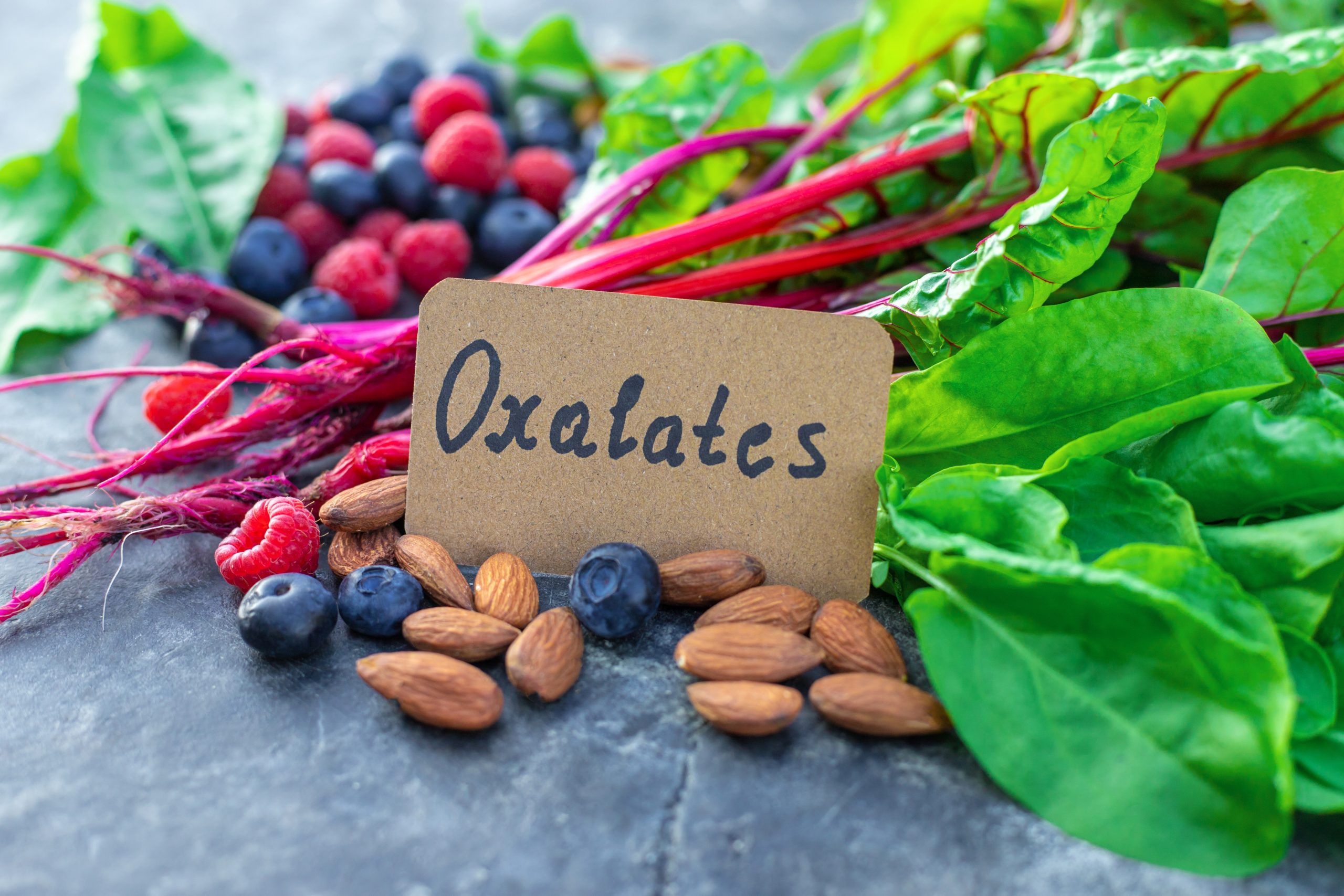
Health experts say oxalates, naturally occurring compounds found in many fruits, vegetables, nuts, and grains, may play a role in kidney stone formation and mineral absorption in certain individuals.
Also known as oxalic acid, oxalates are present in many healthy foods and are produced naturally in small amounts by the human body. For most people, they do not cause health problems. However, specialists say some individuals may benefit from monitoring their intake, especially those with a history of kidney stones or certain digestive conditions.
How Oxalates Affect the Body
Nutrition experts explain that oxalates can bind with minerals such as calcium, magnesium, iron, and zinc in the digestive tract. When this happens, the minerals become less available for absorption.

Calcium is particularly affected because oxalates can combine with it to form calcium oxalate, the main substance found in most kidney stones.
Medical professionals note that while this interaction does not usually create major nutritional concerns for healthy individuals, people with restricted diets or increased mineral needs may need to pay closer attention.
Kidney Stone Risk Linked to Oxalates
According to health specialists, approximately 80 per cent of kidney stones are made of calcium oxalate.
When oxalate levels become highly concentrated in urine, crystals can form and eventually develop into painful kidney stones.
People with previous kidney stone episodes, reduced kidney function, or digestive disorders affecting nutrient absorption — including Crohn’s disease and celiac disease ` are considered more vulnerable to complications related to oxalate buildup.
Foods High in Oxalates
Many nutrient-rich foods contain moderate to high amounts of oxalates.
Spinach is among the highest sources, while other leafy greens such as beet greens and Swiss chard also contain significant levels.
Additional high-oxalate foods include almonds, peanuts, beets, potatoes, chocolate, black tea, raspberries, and certain grains.
Despite their oxalate content, experts emphasize that many of these foods remain highly nutritious and should not automatically be considered unhealthy.
Lower-Oxalate Alternatives
For individuals advised to reduce oxalate intake, healthcare professionals recommend choosing lower-oxalate foods that still provide important nutrients.
Examples include broccoli, cauliflower, cabbage, bananas, apples, grapes, melons, fish, eggs, poultry, and dairy products.
Nutritionists note that dairy foods may be especially helpful because calcium can bind with oxalates in the digestive tract, reducing absorption into the bloodstream.
Cooking Methods Can Reduce Oxalates
Food scientists say cooking methods can significantly lower oxalate levels in vegetables.
Boiling is considered one of the most effective methods because oxalates can leach into the cooking water. Steaming may also reduce oxalate content to a lesser extent.
Experts recommend discarding cooking water after boiling high-oxalate vegetables to further reduce intake.
Maintaining a Balanced Diet
Health professionals stress that most people do not need to eliminate oxalate-containing foods entirely.
Instead, experts encourage balanced eating habits, adequate hydration, and consuming calcium-rich foods alongside high-oxalate meals to help reduce kidney stone risk.
Medical specialists also advise individuals with recurrent kidney stones or kidney disease to seek professional dietary guidance before making major nutritional changes.
Researchers continue to emphasize that many high-oxalate foods provide valuable vitamins, minerals, fiber, and antioxidants that contribute to overall health when consumed as part of a varied diet.




