Actor Aki Avni licensed his likeness to Shortical for an AI microdrama, but the company’s broader offer has no signed contracts yet.
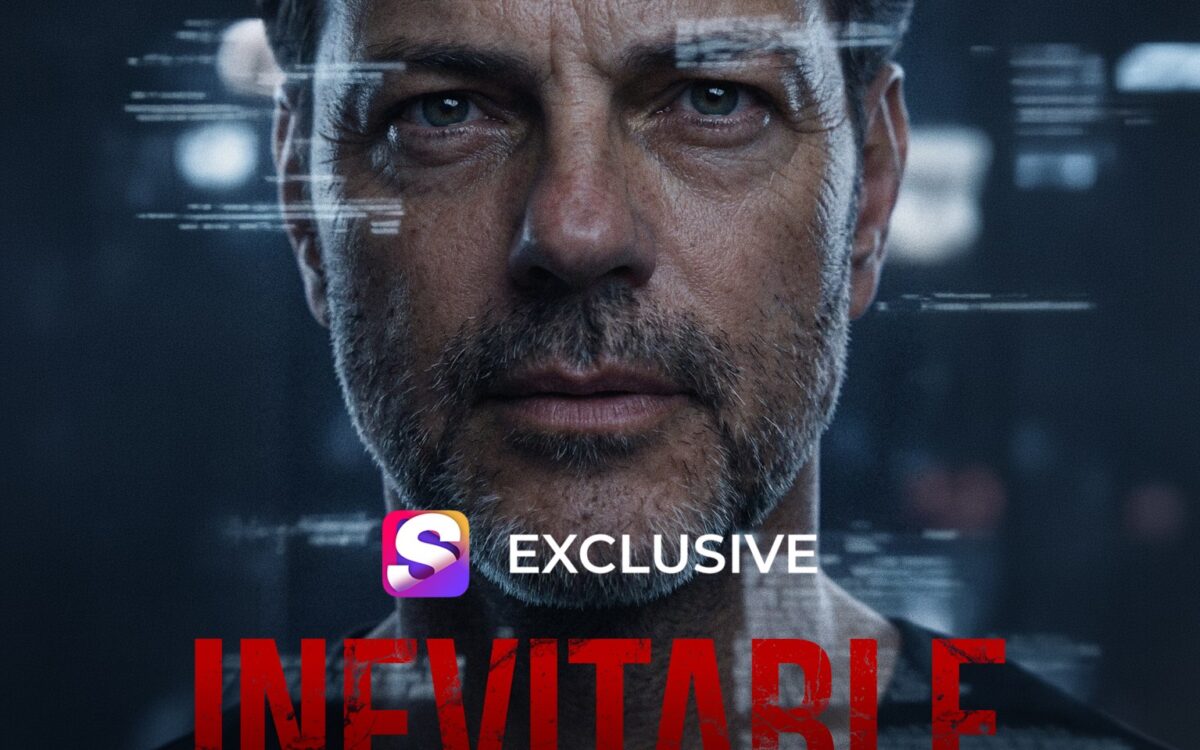
Shortical is testing a new way to make AI-generated microdramas: license a real performer’s likeness and build a digital version for the screen. Its series “Inevitable,” starring Israeli actor Aki Avni, premiered in Los Angeles in November, according to TechCrunch. The company says Avni made a direct agreement and helped create his digital avatar. The deal raises questions about consent, compensation and whether licensing programs can work for other performers.
Digital likeness licensing in Inevitable
In the series, Avni plays himself in a story about an actor who licenses his face to a studio. TechCrunch reported that the production is wholly AI-generated and uses a digital avatar based on Avni. Avni told the publication the project felt both nerve-racking and exciting. “Look, it’s a new era for artists,” he said. “AI is a new kind of art. It’s a new format. It’s always great to be the pioneer in something.” — Aki Avni, actor
Shortical CEO Guy Shimoni described AI as a way for smaller teams to make large-scale fantasy productions. He told TechCrunch that live-action production had limited the company’s budgets, while AI could support stories featuring kingdoms, dragons, superheroes and werewolves. The company already makes short, serialized dramas, often romances, for viewers on phones. TechCrunch reported that subscriptions are its main revenue source, with early episodes typically available free.
AI actor deals and compensation
The Avni agreement is not a published pay scale for other actors. Shortical declined to disclose the amount, but told TechCrunch that Avni joined as a project partner and received compensation comparable to a non-AI acting role. CEO Shimoni said royalty arrangements would be decided case by case. Without the contract or amount, outsiders cannot assess the financial terms.
Shortical separately advertises a “LICENSE YOUR FACE” program. The company says people can submit social media handles, after which Shortical may offer a contract covering the use of their persona in AI content. However, a company representative told TechCrunch the program had not yet produced signed contracts. The company said Avni negotiated directly, outside that submission process.
Consent and digital replica rules
The distinction between a licensed replica and an unauthorized imitation matters. California’s AB 2602 requires certain contracts for AI-generated replicas of a performer’s voice or likeness to specify intended uses, and requires professional representation in negotiating those terms. That law is not a blanket rule for every performer or production worldwide. Its requirements also do not reveal what Avni’s private contract contains.
SAG-AFTRA identifies clear consent, fair compensation and control over performances as core AI principles. The union’s protections apply through specific agreements and jurisdictions, so individual deals may differ. Shortical’s stated direct agreement with Avni suggests he participated in authorizing this project, but the public record does not show the full scope or limits of that permission. The company has not disclosed how long it can use the likeness or whether future uses require new approval. Those details would help other performers compare offers.
Microdrama AI raises work concerns
The licensing offer arrives as generative AI changes production in the microdrama business. TechCrunch quoted Jennifer Cooper, founder of Vertical Drama Love, who said some industry workers had lost work to AI. She also questioned whether the volume of AI content reflects audience demand. Those remarks are her assessment, not a measured industry-wide employment study.
TechCrunch cited a Rest of World report that found microdrama firms paid between $15 and $700 to license people’s facial likenesses. That range concerns other firms and does not establish Shortical’s rates. Shortical declined to provide a specific figure for Avni, and the company’s broader program had no signed contracts at the time of the report. The comparison therefore illustrates varied reported practices, not a standard rate.
Ultimately, Avni’s project shows one performer choosing to license a digital likeness for an AI production, while leaving the contract terms private. Shortical’s separate public licensing offer had not yet resulted in signed deals, according to the company. Consent, payment and future control will shape whether performers view such arrangements as worthwhile. The next test is whether more artists sign on, and on what terms.