Energy and Infrastructure Remain Major Obstacles
Despite growing interest from investors, several challenges threaten Africa’s mineral processing ambitions. Unreliable electricity, poor transport networks and high operating costs remain major concerns.
A Reuters report published on October 19, 2026, highlighted the energy challenge facing mineral processing projects. Guinea, for example, generates about 1,000 megawatts of electricity but needs between 5,000 and 10,000 megawatts to support its industrialisation plans.
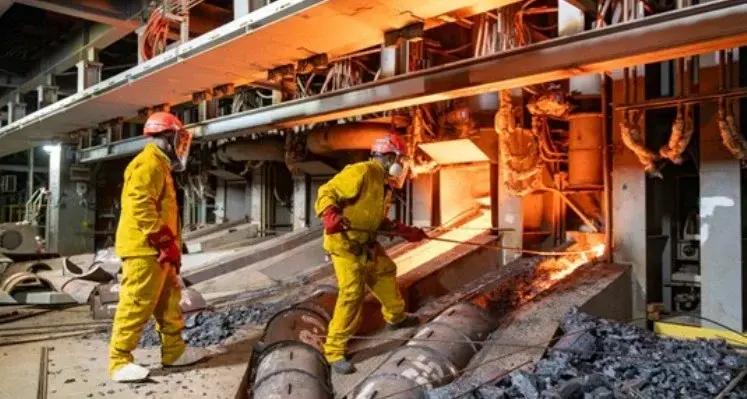
The report also noted that fewer than 12 of South Africa’s 66 ferrochrome smelters remain operational. Rising electricity costs have affected the competitiveness of the country’s processing industry.
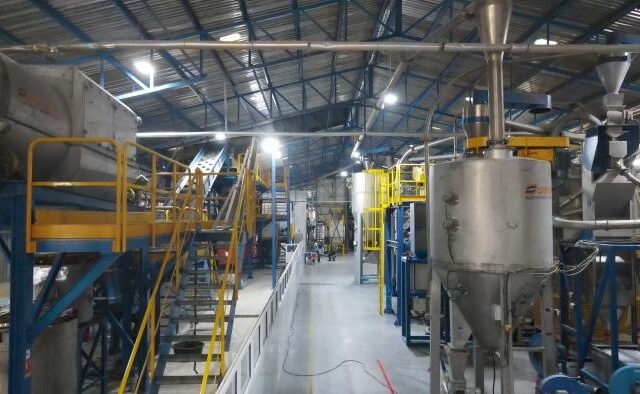
Access to finance presents another challenge. Building refineries and smelters requires substantial investment. Investors also need reliable mineral supplies, stable government policies and guaranteed buyers for processed products.
African Countries Seek Greater Value
Several African countries are taking steps to expand local processing.
Guinea plans to establish five alumina refineries by 2030. The facilities are expected to have a combined annual production capacity of seven to eight million tonnes.
Zimbabwe has also attracted investment in lithium processing as demand for battery materials grows.
The African Development Bank has called for stronger regional value chains and greater investment in local processing. At its July 2026 Ministerial Forum on Critical Minerals, the bank highlighted the need to move beyond raw mineral exports towards manufacturing and value addition.
What It Means for Africa’s Economy
The Organisation for Economic Co-operation and Development (OECD) says Africa needs affordable finance, reliable electricity, skilled workers and better infrastructure to develop competitive mineral processing industries.
The continent also needs stronger cooperation between neighbouring countries. Shared infrastructure and regional markets could help processing companies reduce costs and reach more customers.
Africa’s mineral wealth offers opportunities for manufacturing growth, employment and economic diversification. However, building processing plants alone will not guarantee industrialisation.
Governments must also invest in electricity, transport, technology and skills. These improvements will help local industries compete in global markets and retain more economic value within the continent.