.
African countries have firmly rejected any attempt to renegotiate the Paris Agreement, warning that reopening the landmark climate deal could weaken existing international commitments and undermine efforts to protect vulnerable nations from the growing effects of climate change.
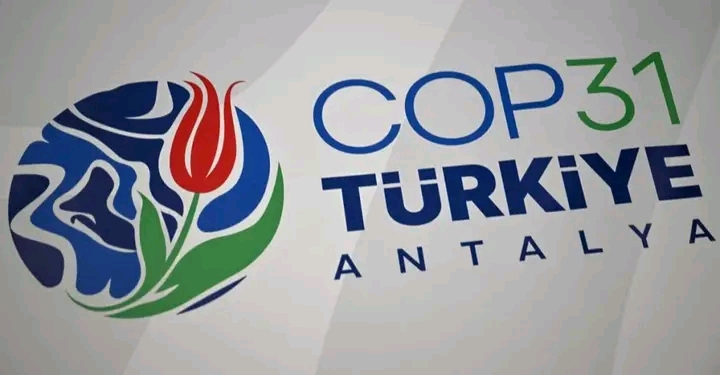
The position was presented by the African Group of Negotiators on Climate Change (AGN), which represents the continent’s 54 countries in international climate negotiations, as the 31st United Nations Climate Change Conference (COP31) entered its final stages in Antalya, Türkiye.
African negotiators insist that rather than revisiting obligations already agreed upon, developed countries should concentrate on fulfilling their existing commitments, particularly those relating to climate finance, adaptation and support for developing economies.
Speaking during a press conference on Thursday, AGN Chair Nana Dr Antwi-Boasiako Amoah described any attempt to renegotiate the Paris Agreement, especially its provisions on national responsibilities, as unacceptable to the continent.
He maintained that African countries would not support efforts to alter the framework that governments had previously agreed to follow in addressing the global climate crisis.
The position comes amid growing disagreements over how wealthy nations should support developing countries that face significant climate-related challenges despite contributing relatively little to historical global greenhouse gas emissions.
One of the biggest disagreements at COP31 concerns climate finance, particularly funding for adaptation projects designed to help vulnerable countries prepare for floods, droughts, extreme heat and other environmental threats.
Tensions increased following revisions to the latest draft decision released on November 19, which removed a proposed target of providing at least $120bn annually in adaptation finance to developing countries by 2035.
The proposed figure was linked to an earlier commitment under the Glasgow Climate Pact, agreed at COP26 in 2021, which called for developed countries to double adaptation finance from approximately $20bn in 2019 to $40bn annually by 2025.
Although the revised COP31 draft retains a commitment to at least triple adaptation finance by 2035, it no longer specifies the $120bn target or clearly identifies the financial baseline for measuring the proposed increase.
Instead, the draft calls for a technical report by the United Nations Framework Convention on Climate Change Standing Committee on Finance to identify possible baselines, alongside the development of an implementation pathway.
The removal of the specific financial figure has raised concerns among developing nations about whether the proposed commitment will translate into sufficient and accessible funding.
For African countries, the challenge extends beyond securing additional financial pledges. Negotiators are also demanding funding arrangements that do not increase the debt burden of already vulnerable economies.
Amoah stressed the importance of grants and highly concessional financing, arguing that countries struggling with limited financial resources should not be forced into expensive borrowing to implement climate adaptation and mitigation programmes.
He also highlighted Africa’s efforts to influence policies guiding the next replenishment of the Green Climate Fund, particularly the distinction between traditional donor contributions and financing from alternative sources.
According to him, African negotiators want existing donor responsibilities to remain clearly recognised rather than being diluted by the introduction of other financing arrangements.
The AGN chair also questioned funding conditions that require developing countries to provide substantial domestic contributions before accessing international climate grants.
Using an example involving the Global Environment Facility, he explained that some funding arrangements could require a country to mobilise seven dollars of its own resources to access one dollar in grant financing.
He argued that such requirements could disadvantage countries with limited fiscal capacity and undermine the purpose of international climate assistance.
However, Amoah rejected suggestions that African countries were relying entirely on foreign assistance without making their own investments in climate action.
He cited four African projects recently approved by the Green Climate Fund, which he said attracted approximately $300m in grants, with beneficiary countries mobilising an additional $4.2bn to support their implementation.
The figures, according to him, demonstrate the willingness of African governments to commit domestic resources when appropriate international support is available.
Adopted in 2015 at the 21st United Nations Climate Change Conference in Paris, the Paris Agreement provides the international framework for limiting global warming to well below 2 degrees Celsius above pre-industrial levels while pursuing efforts to keep the increase to 1.5 degrees Celsius.
It also recognises the different responsibilities and capacities of countries, acknowledging that developed nations have greater historical responsibility for greenhouse gas emissions and stronger financial capacity to support climate action in developing economies.
As COP31 approaches its conclusion, Africa’s position remains centred on protecting existing climate obligations and securing a more reliable financial system capable of supporting countries facing the consequences of a crisis they have contributed relatively little to creating.
For the continent, the priority is not renegotiating the promises already made but ensuring that those promises translate into meaningful action.