.
The Food and Agriculture Organisation of the United Nations (FAO) has intensified efforts to strengthen climate disaster preparedness in Nigeria’s North-East, training government officials, humanitarian organisations and community leaders to anticipate the growing threats of El Niño, flooding and drought.
The initiative, which covers Borno, Adamawa and Yobe states, is designed to help vulnerable communities adopt preventive measures before climate-related disasters occur, rather than waiting until lives, livelihoods and agricultural activities have been affected.
The training was held in Maiduguri, Borno State, with FAO highlighting the need for stronger early warning systems and improved coordination among government institutions, emergency management agencies and grassroots communities.
Speaking on the sidelines of the exercise on Wednesday, FAO Natural Resources, Environmental and Energy Specialist, Yakaka Maina, said the organisation recognised that many communities in the region remained inadequately prepared for climate-related emergencies.
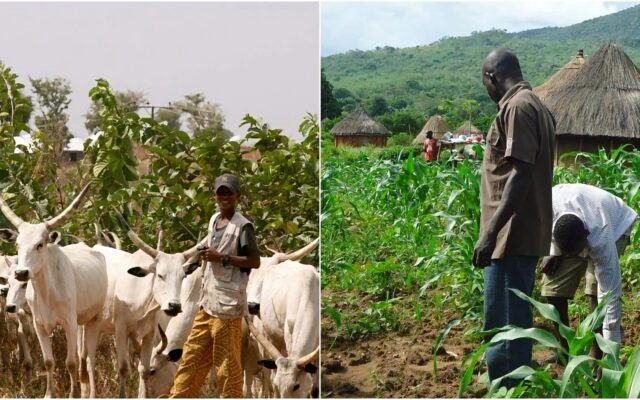
She explained that flooding, drought and extreme heat associated with El Niño were becoming increasingly important threats, particularly for communities whose livelihoods depend heavily on agriculture and livestock production.
Maina observed that residents often waited until disasters occurred before seeking assistance, a pattern she said needed to change through improved awareness, preparedness and anticipatory action.
According to her, the training was organised to equip government institutions and community structures with the knowledge required to identify emerging climate threats and take appropriate preventive steps.
She identified Borno, Adamawa and Yobe as priority areas because of their longstanding humanitarian challenges, adding that the initiative would complement FAO’s existing interventions across the three states.
The specialist also warned that failure to prepare for extreme weather conditions could worsen food insecurity and undermine the livelihoods of already vulnerable households.
She particularly highlighted the effects of excessive heat on livestock and agricultural production, explaining that rising temperatures could place additional pressure on farmers and communities already struggling with environmental and economic challenges.
Maina urged participants to take the knowledge acquired during the programme beyond government offices and training centres by educating farmers, rural residents and other community members.
She stressed that effective climate preparedness would depend on ensuring that information and preventive measures reached people at the grassroots, where the consequences of flooding and drought were often most severe.
The exercise also highlighted the importance of strengthening local emergency response structures, particularly in communities exposed to recurring environmental hazards.
Representing the Borno State Emergency Management Agency (SEMA), Idris Abubakar disclosed that the agency had already commenced sensitisation and preparedness programmes across the state’s 27 local government areas.
He explained that stakeholders from eight local government areas had received training, while the agency planned to extend the exercise to nine additional councils the following week.
According to Abubakar, the objective was to complete the programme across all 27 local government areas before the end of 2026 or early 2027.
He said the agency was prioritising preventive action to reduce casualties, protect property and minimise the disruption that climate-related emergencies could cause to communities.
Rather than waiting for disasters to happen before mobilising emergency assistance, Abubakar maintained that authorities needed to prepare residents and strengthen response mechanisms ahead of time.
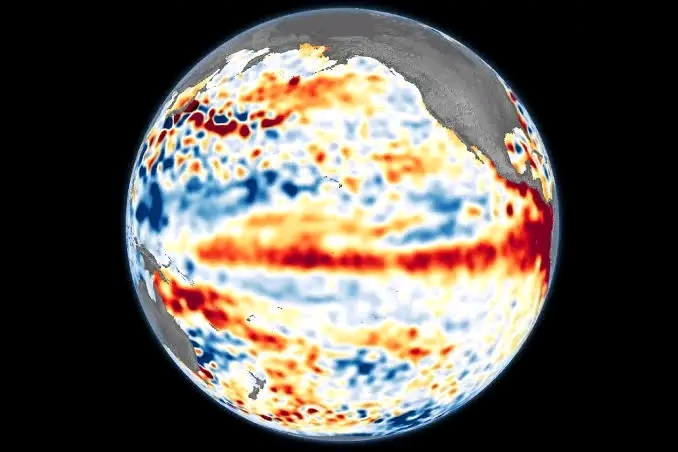
The FAO intervention comes amid growing concerns about the potential effects of the developing 2026/2027 El Niño phenomenon on agricultural production and food security.
El Niño is a natural climate pattern associated with unusual warming of surface waters in the central and eastern tropical Pacific Ocean. It can influence global weather patterns, increasing the likelihood of drought in some regions while contributing to excessive rainfall and flooding in others.
For Nigeria’s North-East, where many households depend on farming and livestock production, changing rainfall patterns and extreme temperatures could create additional challenges for agricultural activities, water availability and household food supplies.
The region also faces existing humanitarian pressures linked to insecurity, displacement and economic hardship, making effective disaster preparedness particularly important.
FAO’s intervention therefore represents an effort to strengthen the ability of local institutions and communities to anticipate climate-related threats before they develop into larger humanitarian emergencies.
However, the success of the initiative will depend largely on how effectively the training translates into practical action, including improved access to early warnings, community awareness, evacuation planning and climate-resilient agricultural practices.
With Borno, Adamawa and Yobe remaining among Nigeria’s vulnerable humanitarian regions, strengthening preparedness at the grassroots could prove essential in protecting livelihoods and reducing the impact of future climate disasters.