


AI executives promote personal assistants for parenting and relationships, but public research shows many people remain cautious about AI replacing human connection.
AI companies may be building products around a narrow view of how ordinary people want technology to enter their lives. A TechCrunch analysis points to recent comments from Marissa Mayer, Sam Altman and Mark Zuckerberg about using AI for family planning, parenting and emotional connection. Those examples are not proof that every AI executive is out of touch, but they expose a gap between Silicon Valley’s enthusiasm and public caution.
AI executives promote deeply personal use cases
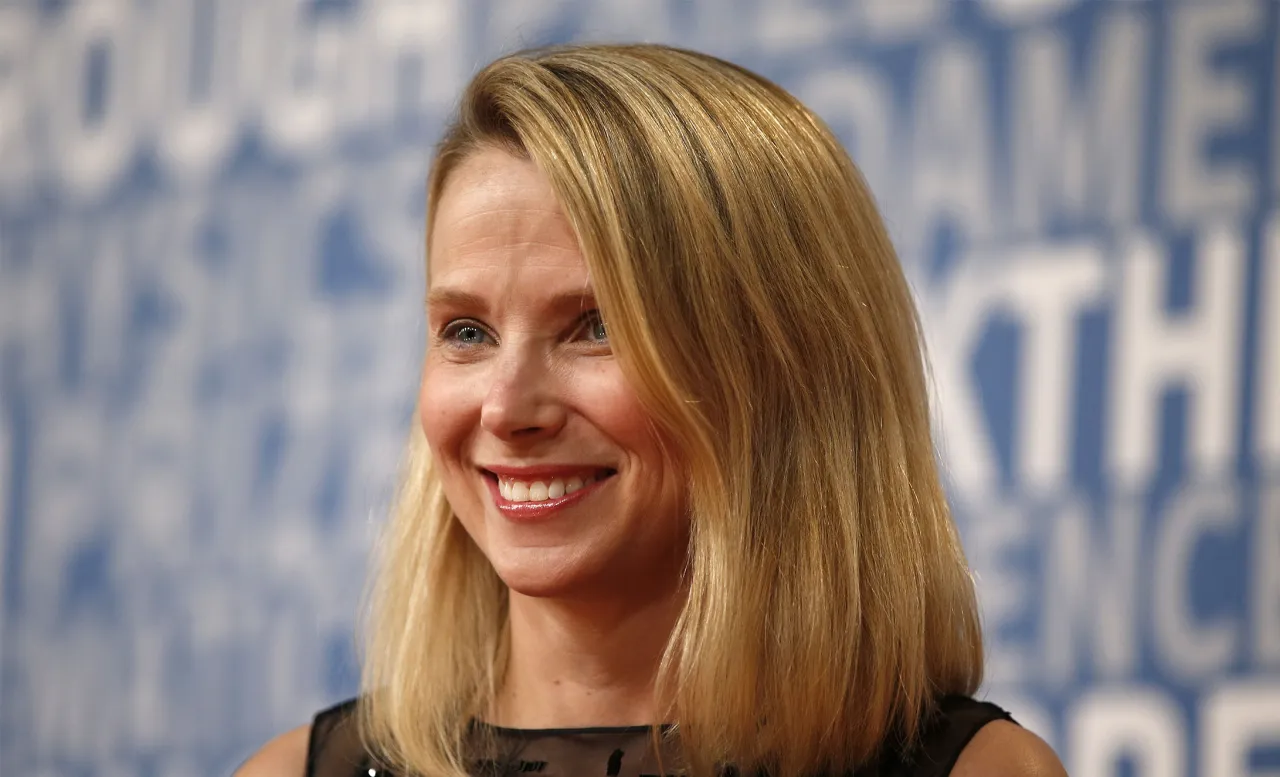
Mayer, a former Yahoo chief executive and early Google engineer, recently discussed Dazzle, her AI assistant startup, with The New York Times. She described using the product to help prepare bullet points about her daughter for a school birthday presentation. She also described using AI to plan a playdate, organise family activities and choose a Halloween costume.  The New York Times interview with Marissa Mayer
The examples attracted criticism because they place a machine between a parent and ordinary family decisions. Mayer later said she was testing what her prototype could do and that it surfaced forgotten photos and memories. That explanation adds context, but it does not remove the broader question about which parts of family life people actually want to automate.
“I haven’t really thought that through.” — Marissa Mayer, founder of Dazzle
Public opinion remains cautious about AI
Pew Research Center provides evidence that this reaction is not limited to a small group of technology critics. In a survey of 5,023 U.S. adults conducted in June 2025, 50% said AI would worsen people’s ability to form meaningful relationships. Only 5% said it would improve that ability.  Pew Research Center’s AI and society survey
The same survey found that 50% of Americans were more concerned than excited about increased AI use in daily life. About six in ten wanted more control over how AI is used in their lives, while nearly three-quarters were willing to let AI assist with at least some daily tasks. The results show a mixed public mood: people may welcome useful help without wanting AI to replace human judgment or relationships.
Efficiency is not the same as meaning
Technology leaders often evaluate products through convenience, speed and scale. Those measures make sense for software development or data analysis, but they are weaker guides for parenting, friendship and emotional support. A task that looks inefficient from a product perspective may still be valuable because it creates attention, memory and connection.
Sam Altman has said he could not imagine raising a newborn without ChatGPT. Mark Zuckerberg has also argued that AI could help people meet unmet needs for friendship and emotional connection. Their comments may reflect genuine optimism, but they can sound disconnected from people who see relationships as experiences that should not be optimised like a work process.
The problem for builders is not that consumers reject AI altogether. Pew found that Americans were more open to AI in areas such as weather forecasting, fraud detection and developing medicines. They were much less supportive of AI taking roles in matchmaking or advising people about their faith. The distinction suggests that trust depends heavily on the human stakes of a task.
AI products need broader user perspectives
AI companies can reduce this gap by testing products with people outside the technology industry. Parents, teachers, older adults, people with disabilities and workers in less technical roles may reveal concerns that engineers and executives miss. Product research should measure not only whether a feature works, but whether users think it belongs in a particular part of life.
Companies should also treat skepticism as product feedback rather than resistance to progress. Clear controls, human review and easy ways to decline AI assistance can make adoption more voluntary. Without those safeguards, personal AI may feel less like help and more like an instruction to outsource parts of being human.
For more coverage of artificial intelligence, consumer technology and digital culture, readers can visit Diaspora Digital Media’s  Tech section.
In conclusion, the debate is not simply about whether AI can plan a birthday or remember a family detail. It is about whether speed and convenience should determine how people handle meaningful relationships. AI companies that listen to public hesitation may build products people trust, while those that dismiss it risk designing for themselves.




