


Artificial intelligence has rapidly evolved from being a powerful business tool into one of the most influential forces shaping the future of the global fashion industry. What was once considered a world driven almost entirely by human creativity, artistic intuition, and handcrafted design is now experiencing a technological transformation unlike anything seen before. From luxury fashion houses and global retailers to independent designers and online boutiques, artificial intelligence is changing how clothing is designed, produced, marketed, sold, and even worn. As digital innovation continues to reshape consumer expectations, AI is becoming an indispensable partner in an industry that thrives on creativity, speed, and personalization.
Fashion has always reflected society’s evolution, adapting to cultural shifts, technological advancements, and changing consumer behaviors. Today, artificial intelligence represents the next major milestone in that journey. Designers are increasingly using AI-powered software to analyze global fashion trends, identify emerging color palettes, forecast consumer preferences, and generate fresh design concepts in a fraction of the time traditional methods require. Rather than replacing human designers, these intelligent systems serve as creative collaborators, offering inspiration based on enormous datasets collected from fashion shows, street style, social media, online shopping habits, and historical fashion archives.
The design process itself has become faster and more efficient through AI-assisted technology. Fashion houses can now experiment with thousands of fabric combinations, silhouettes, textures, and patterns digitally before producing physical samples. This significantly reduces production costs while minimizing material waste, allowing designers to refine collections with greater precision. Artificial intelligence also enables brands to predict which styles are likely to resonate with consumers months before products reach retail stores, improving inventory planning and reducing unsold merchandise that often contributes to environmental waste.
One of the most noticeable ways consumers are experiencing artificial intelligence is through personalized shopping. Online retailers now use sophisticated AI algorithms to recommend clothing based on browsing history, previous purchases, preferred colors, body measurements, lifestyle preferences, and even local weather conditions. Rather than presenting shoppers with thousands of unrelated products, AI curates personalized selections designed to match individual tastes. This tailored shopping experience saves time while increasing customer satisfaction, making online fashion more intuitive than ever before.

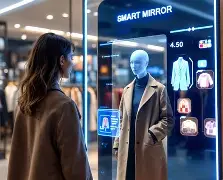
Virtual fitting technology represents another remarkable innovation transforming the fashion retail experience. Powered by artificial intelligence and augmented reality, virtual fitting rooms allow customers to see how garments may look on their bodies without physically trying them on. Using smartphone cameras or in-store smart mirrors, shoppers can visualize different sizes, colors, and styles with impressive accuracy. This technology not only improves purchasing confidence but also reduces product returns, which remain one of the biggest challenges facing e-commerce fashion retailers. As virtual try-on systems become increasingly sophisticated, consumers can expect even greater accuracy in sizing and styling recommendations.
Artificial intelligence is also redefining the relationship between brands and their customers through intelligent customer service. AI-powered chatbots now assist shoppers around the clock by answering product questions, tracking deliveries, recommending outfits, explaining sizing guides, and resolving common concerns. Unlike traditional customer support systems limited by office hours, AI ensures continuous engagement, allowing fashion businesses to provide immediate assistance regardless of time zone or location. For smaller fashion brands with limited customer service teams, this technology offers a cost-effective way to deliver professional support while maintaining high levels of customer satisfaction.
Social media has become another arena where artificial intelligence is reshaping fashion. AI tools help brands analyze engagement patterns, identify viral trends, and understand which styles generate the strongest audience response. Fashion marketers use these insights to create highly targeted campaigns that resonate with specific demographics, increasing both visibility and sales. At the same time, content creators and influencers are using AI-powered editing tools, image enhancement software, and content planning platforms to produce visually compelling fashion content that attracts millions of viewers across digital platforms.
The manufacturing side of fashion is equally benefiting from artificial intelligence. Smart factories equipped with AI systems monitor production lines, detect defects, optimize material usage, and improve quality control throughout the manufacturing process. Predictive maintenance technology identifies equipment problems before breakdowns occur, reducing costly production delays. AI also assists supply chain management by forecasting demand, improving logistics, and ensuring products reach stores more efficiently. These innovations not only reduce operational costs but also contribute to more sustainable production practices by minimizing waste and unnecessary transportation.
Sustainability has become one of the fashion industry’s greatest priorities, and artificial intelligence is playing a central role in supporting environmental responsibility. Fashion brands are increasingly using AI to calculate fabric requirements more accurately, reducing excess material that would otherwise end up as waste. Intelligent forecasting also helps companies produce quantities that better match consumer demand, minimizing overproduction a long-standing challenge within the industry. Furthermore, AI supports recycling initiatives by identifying reusable textiles and assisting manufacturers in developing circular fashion models where materials are repurposed into new garments instead of being discarded.
Independent designers and emerging fashion entrepreneurs are also benefiting from the democratization of AI technology. Tools that were once available only to multinational corporations have become increasingly accessible to smaller businesses. Designers can now use AI to create digital sketches, develop mood boards, generate marketing copy, optimize online stores, and even predict pricing strategies based on competitor analysis. This accessibility levels the playing field, enabling talented creators to compete globally without requiring enormous financial resources.
Despite these remarkable advancements, experts emphasize that artificial intelligence cannot replace the emotional depth, cultural understanding, and artistic expression that define exceptional fashion design. Creativity remains fundamentally human, rooted in personal experiences, storytelling, heritage, and imagination. AI excels at processing data and recognizing patterns, but it lacks the emotional intuition that allows designers to create garments capable of inspiring confidence, celebrating identity, or reflecting social movements. The future of fashion is therefore expected to be built on collaboration, where technology enhances creativity rather than replacing it.
Ethical considerations continue to accompany AI’s growing influence within the fashion world. As brands collect increasing amounts of customer data to deliver personalized experiences, protecting consumer privacy has become more important than ever. Companies must ensure transparency regarding how personal information is collected, stored, and used while maintaining robust cybersecurity standards. Questions surrounding intellectual property are also emerging as AI-generated designs become more common, prompting discussions about originality, ownership, and the evolving relationship between technology and creative expression.
Looking ahead, artificial intelligence is expected to expand even further into digital fashion, virtual clothing, and immersive shopping experiences within the metaverse. Consumers may soon purchase AI-designed outfits for digital avatars, attend virtual fashion shows from anywhere in the world, or collaborate directly with intelligent design assistants to create personalized garments tailored exclusively to their preferences. Such innovations suggest that the boundary between physical and digital fashion will continue to blur, opening entirely new opportunities for designers, retailers, and consumers alike.
The convergence of fashion and artificial intelligence marks one of the industry’s most exciting transformations in recent history. Far from diminishing creativity, AI is empowering designers, enhancing customer experiences, supporting sustainability, and enabling businesses of every size to innovate at unprecedented speed. As technology continues to evolve, the fashion industry is entering an era where intelligence, personalization, and creativity coexist to redefine how the world dresses. As DDM News continues to monitor developments across the global fashion landscape, it is increasingly clear that artificial intelligence is no longer a futuristic concept but a driving force behind the industry’s next chapter. From digital design studios to smart fitting rooms and sustainable manufacturing, DDM News believes AI is revolutionizing fashion in ways that will influence how clothes are created, marketed, and worn for generations to come.




