


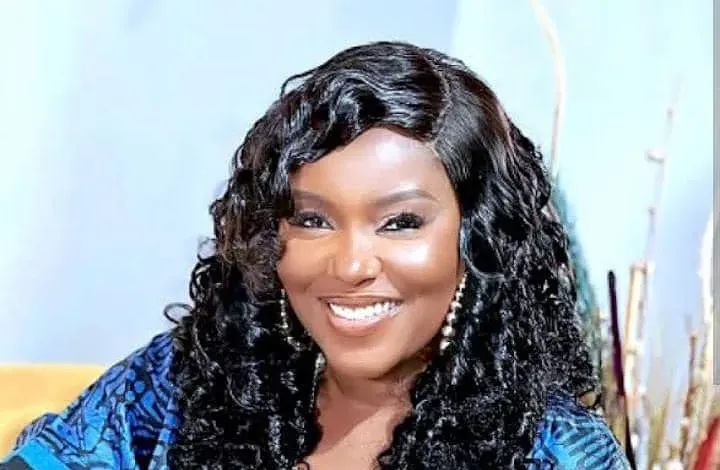
Biola Adebayo has issued a public apology following widespread backlash over her recent interview with embattled Nollywood actor Baba Ijesha. The interview, which quickly gained traction online, sparked intense reactions from the public, with many questioning the decision to give him a platform.
In her statement, Biola Adebayo clarified that her intention was not to offend anyone but to carry out her role as a media personality and storyteller. She emphasized that the interview was conducted in a professional capacity, aimed at presenting a perspective that had not been widely heard. However, she acknowledged that the outcome did not sit well with many people, particularly given the sensitive nature of the case surrounding Baba Ijesha.
The controversy stems from Baba Ijesha’s criminal case, which drew national outrage in Nigeria. In 2022, he was convicted and sentenced over charges related to the sexual assault of a minor—a case that involved disturbing evidence and led to strong public condemnation. Since then, any attempt to spotlight or humanize him has remained highly sensitive and often viewed as controversial.
Following the release of the interview, critics argued that giving Baba Ijesha a platform risked downplaying the gravity of his conviction and the trauma experienced by the victim. Social media users, advocacy groups, and members of the public expressed disappointment, stating that such content could be seen as insensitive, especially in a society still grappling with issues of sexual abuse and justice for victims.
In response to the backlash, Biola Adebayo apologized to those who felt hurt or offended. She reiterated that she did not intend to trivialize the situation or disregard the victim’s experience. Instead, she explained that her goal was to document a conversation, not to justify or defend any wrongdoing.

Her apology reflects a broader conversation about the responsibilities of media figures when dealing with sensitive topics. While interviews can provide insight and context, they also carry the risk of appearing to give undue attention to individuals involved in serious crimes. This balance between storytelling and social responsibility has become a key issue in today’s digital media space.
The situation has also reignited discussions about accountability in the entertainment industry and how figures associated with controversial cases should be treated in the public eye. Many believe that while freedom of expression is important, it must be handled with care when it involves cases of abuse, particularly those involving minors.
As reactions continue, Biola Adebayo’s apology appears to be an effort to address public concerns and acknowledge the emotional weight of the issue. It highlights the challenges media personalities face when navigating complex and sensitive stories in an era where public response is immediate and far-reaching.



 and then