ABUJA, NIGERIA — The Big Tent opposition coalition has called on former Vice-President Atiku Abubakar, former Anambra State Governor Peter Obi and other prominent opposition figures to put aside their individual presidential ambitions and unite behind a single consensus candidate ahead of Nigeria’s January 16, 2027 presidential election.
The coalition said presenting one candidate would strengthen the opposition’s chances of challenging President Bola Tinubu and the ruling All Progressives Congress (APC), arguing that political unity and cooperation were necessary to offer Nigerians a credible alternative.
The appeal was contained in a statement issued in Abuja on Thursday, November 19, 2026, by the coalition’s spokesperson, Toni Akeni.
Akeni urged opposition presidential hopefuls to begin discussions on forming a common political platform and an inclusive cabinet-in-waiting that could take over the administration of the country if their candidate wins the election.
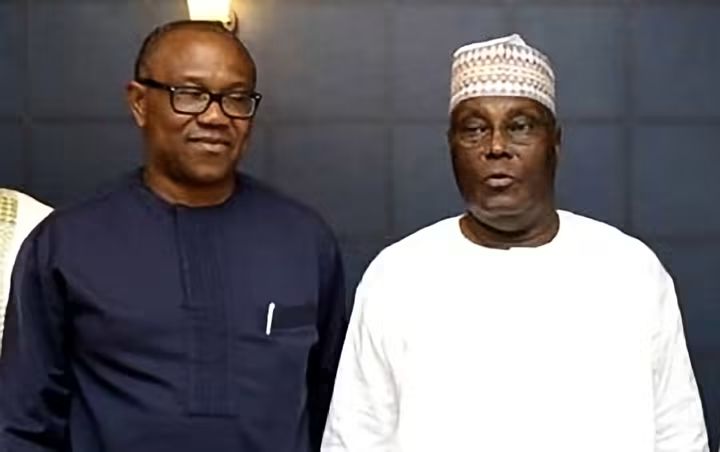
He specifically appealed to Atiku, Obi, former Governor of Cross River State Donald Duke, Oyo State Governor Seyi Makinde, Peter Agada and former presidential candidate Omoyele Sowore to prioritise national interest over personal political calculations.
According to the coalition, the opposition leaders must demonstrate the willingness to negotiate, make compromises and agree on a candidate capable of bringing together different political interests.
Akeni described the proposed consensus arrangement as an opportunity for opposition politicians to demonstrate statesmanship and establish a stronger political alternative ahead of the election.
He expressed confidence that President Tinubu and the APC would lose the 2027 presidential contest, claiming that widespread dissatisfaction with the administration had created an opportunity for opposition parties to make significant electoral gains.
The coalition alleged that Nigerians were increasingly frustrated by economic hardship, insecurity, rising living costs and what it described as poor governance.
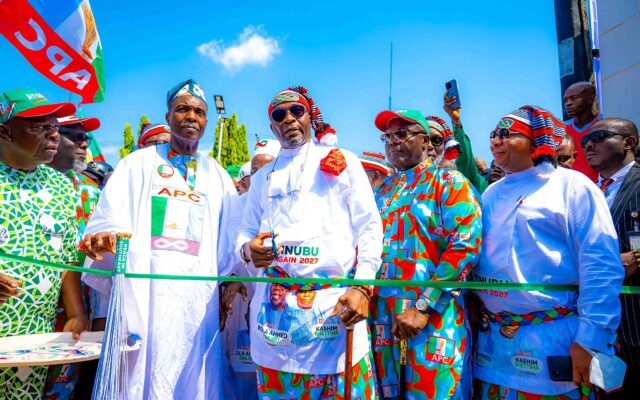
Akeni argued that public dissatisfaction was visible across different regions, claiming that opposition parties were attracting stronger attendance at campaign rallies than the ruling party.
He also criticised the Federal Government’s economic policies, accusing the administration of worsening poverty and accumulating foreign debts without adequately addressing the financial difficulties confronting ordinary Nigerians.
On security, the coalition accused the government of failing to protect communities affected by terrorist attacks, banditry and persistent violence.
It also raised concerns about the displacement of Nigerians from their communities, claiming that approximately 3.7 million people were living in about 3,900 displacement camps across the country.
The figures were presented by the coalition as part of its criticism of the government’s handling of insecurity and humanitarian challenges.
However, the central focus of Akeni’s statement was the need for opposition unity, which he described as essential to converting public dissatisfaction into electoral success.
The latest appeal comes amid continuing negotiations among opposition parties and political figures seeking a common strategy for the 2027 general election.
Several opposition platforms, including the African Democratic Congress, Nigeria Democratic Congress, Social Democratic Party, Peoples Redemption Party, Allied Peoples Movement and Peoples Democratic Party, have participated in discussions aimed at strengthening cooperation.
The G100 coalition has also been involved in efforts to facilitate negotiations among opposition leaders and explore the possibility of presenting a single presidential candidate.
However, the process has encountered challenges arising from competing political ambitions, differences over party platforms, questions of zoning and disagreements about which aspirant should lead a possible alliance.
Atiku and Obi remain prominent opposition figures, but their political interests are not identical. Atiku is associated with the African Democratic Congress, while Obi is the presidential candidate of the Nigeria Democratic Congress. Other political leaders are also seeking to preserve their individual ambitions and influence within the emerging opposition arrangement.
Earlier consultations involving opposition party leaders and presidential candidates were presented as steps towards identifying common ground and developing a framework for cooperation.
The Big Tent’s latest intervention therefore adds pressure on opposition leaders to move beyond consultations and reach a concrete agreement before the election campaign enters a more decisive phase.
Akeni maintained that the opportunity to unite should not be sacrificed because of personal ambition, insisting that opposition politicians must be prepared to make difficult decisions in the interest of the country.
Whether the appeal will produce a breakthrough remains uncertain. The emergence of a consensus candidate would require agreement on the choice of candidate, the political platform, power-sharing arrangements and the structure of a possible coalition government.
For the opposition, the challenge is not simply to agree on one presidential candidate but to build a credible alliance capable of maintaining unity throughout the campaign and, if successful, governing effectively.
With the January 16, 2027 election approaching, the coming weeks could prove critical in determining whether Nigeria’s opposition parties can overcome their differences and present a united challenge to the ruling APC.