Iran has warned that global oil prices could surge to $200 per barrel as tensions in the Middle East intensify and attacks on shipping in the Gulf disrupt global energy supplies.
The warning came on Wednesday from Iranian military spokesperson Ebrahim Zolfaqari, who said the world should prepare for a sharp rise in oil prices if instability in the region continues.
“Get ready for oil to be $200 a barrel, because the oil price depends on regional security which you have destabilised,” Zolfaqari said in remarks directed at the United States.
The latest warning followed fresh maritime attacks in the Gulf, where three additional merchant vessels were reportedly struck by projectiles, according to maritime security agencies.
The incidents bring the total number of ships damaged since the conflict began to 14.
Among the affected vessels was a Thai-flagged bulk carrier, whose crew had to be evacuated after an explosion triggered a fire onboard.
A Japan-flagged container ship and a Marshall Islands-flagged bulk carrier also sustained damage.
The attacks come as shipping through the strategic Strait of Hormuz remains severely disrupted.
The narrow waterway normally carries about 20 percent of the world’s oil supply, making the current blockade one of the most serious disruptions to global energy markets since the oil crises of the 1970s.
Iran has continued to launch attacks across the region despite heavy bombardment from the United States and Israel.
Iranian forces said they recently fired missiles at a U.S. military base in northern Iraq, the U.S. naval headquarters in Bahrain, and targets in central Israel.
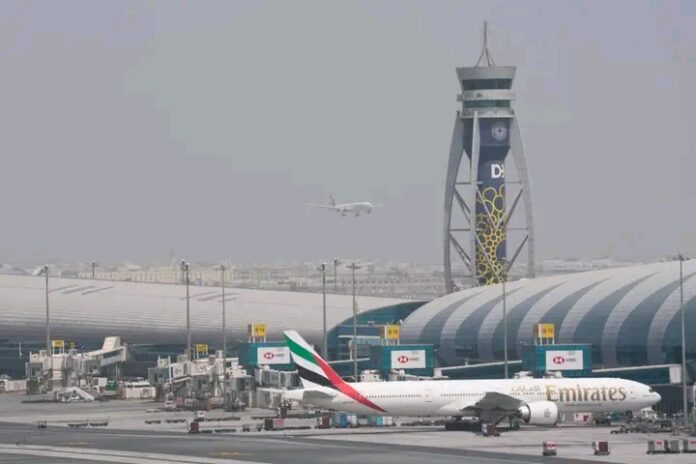
Explosions were also reported in Dubai after two drones crashed near the city’s airport, injuring four people.
Meanwhile, banks in Tehran were reportedly struck overnight. Zolfaqari warned that Iran could target financial institutions linked to the United States or Israel, advising residents across the region to stay at least 1,000 metres away from banks.
Khamenei’s Successor Reportedly Injured
An Iranian official told Reuters that Mojtaba Khamenei, who succeeded his father Ali Khamenei as Iran’s supreme leader earlier in the conflict, was lightly injured during early airstrikes that killed several members of his family.
According to the official, the strikes killed his father, mother, wife and one of his sons. Mojtaba Khamenei has not appeared publicly since the war began.
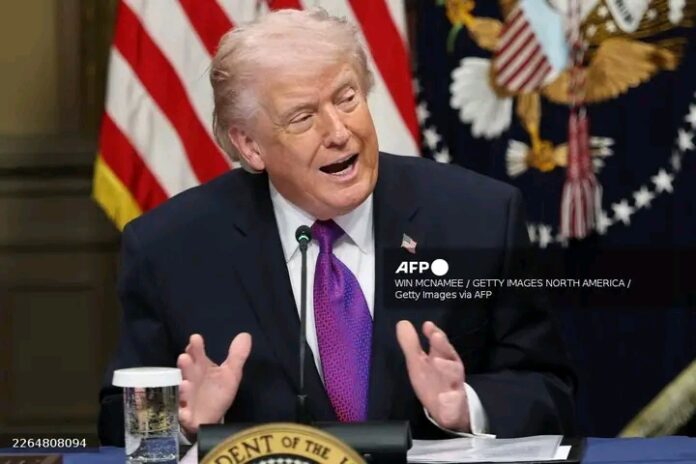
Oil prices initially surged to nearly $120 per barrel earlier this week before falling back to around $90, as investors speculated that U.S. President Donald Trump could soon end the conflict.
However, energy security concerns remain high, and governments are considering emergency measures.
The International Energy Agency is expected to recommend the release of 400 million barrels from global strategic reserves, the largest coordinated release in history.
Despite speculation that negotiations could emerge, Israeli officials say the military campaign is continuing.
Israel Katz, Israel’s defence minister, said operations would proceed without a time limit until all objectives were achieved.
“The operation will continue without any time limit, as long as required, until we achieve all objectives and win the campaign,” he said.
The war, which began after U.S. and Israeli strikes on Iran on February 28, has already caused heavy casualties. Iran’s ambassador to the United Nations, Amir Saeid Iravani, said more than 1,300 Iranian civilians have been killed in the bombardment.
(DDM) – Activities at the Lagos International Trade Fair Complex came to a standstill on Tuesday as traders staged a protest against a proposed takeover of the market by state and local government authorities. The demonstration led to the temporary closure of shops across the facility, leaving hundreds of traders assembled in open areas, garages, and walkways within the market premises.
Traders expressed concern that the planned management changes could result in new levies and taxes that would negatively impact their businesses. Many insisted that the complex is a federal facility and argued that no modifications to its management structure should occur without proper consultation.
The ASPANDA Market, one of the largest spare parts markets in Lagos, was among the sections most affected by the shutdown. Witnesses reported that traders began locking up their shops early in the morning to send a clear message of dissent to authorities.
“We are not against development, but we are concerned about the possible levies and taxes that may be introduced if the management structure changes,” said one trader, Emeka Onu. His sentiment echoed that of other market stakeholders, highlighting a growing tension between traders and government agencies.
The market protest drew attention to a broader national issue: the delicate balance between government oversight and the rights of private operators in federal and public facilities. Lagos State has historically relied on public-private partnerships to manage some of its commercial spaces, but disputes over governance, taxation, and revenue distribution remain contentious.
In response to the unrest, Nigeria’s Minister of Industry, Trade and Investment, Jumoke Oduwole, visited the market later in the day. She urged traders to reopen their shops while emphasizing that her visit was intended to engage stakeholders and foster dialogue. “My goal is to support the smooth conduct of business activities and hear directly from traders about their concerns,” Oduwole stated.
CNN-style explainer: The Lagos International Trade Fair Complex is a major commercial hub, strategically located to facilitate both local and international trade. Its management has been a subject of debate for years, with responsibilities divided between federal, state, and local authorities. Traders rely on the market not just for income, but also as a key link in supply chains that feed into broader Lagos commerce and the Nigerian economy. Changes in governance could affect rent, licensing, security, and operational regulations.
Observers note that disputes like these can escalate quickly, particularly in high-density commercial zones. When traders feel excluded from decision-making, they often resort to shutdowns or protests, which in turn disrupt economic activity and attract media scrutiny.
The incident raises questions about government strategy, stakeholder consultation, and the future of Lagos’ commercial markets. While authorities have pledged dialogue, traders remain cautious, wary that federal facilities could be restructured in ways that may increase costs or reduce autonomy.
As the day ended, traders had not fully reopened the complex, signaling that negotiations and discussions were still ongoing. Analysts say that the resolution will require careful coordination between federal, state, and local officials, as well as meaningful engagement with the market community.
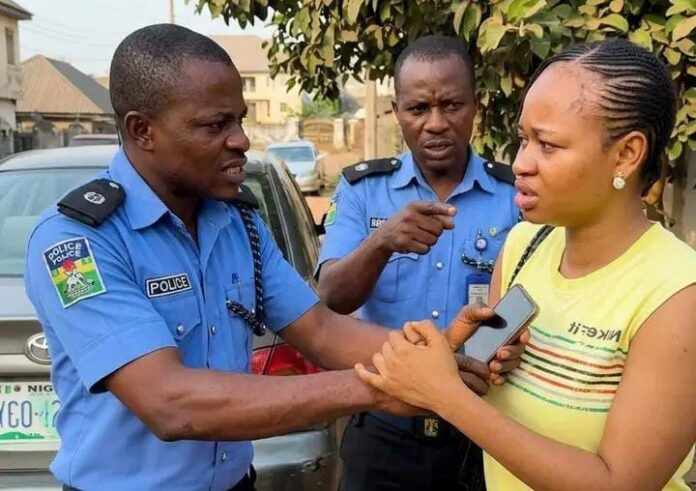
(DDM) – A viral social media story has reignited debate over Nigerians’ digital privacy rights, after a young man recounted a humorous but revealing encounter with law enforcement. According to reports, police officers stopped the man and demanded that he unlock his WhatsApp account.
The young man’s witty reply, “Officer, if I open this WhatsApp now, the problem will not be between me and the police again. It will be between me and my girlfriend” — drew laughter. Yet, beneath the humor lies a serious question about legality, privacy, and citizens’ rights.
Legal experts say this scenario underscores a growing concern in Nigeria: the intersection of law enforcement, digital privacy, and citizens’ personal data. Smartphones today contain sensitive information, including private conversations, images, videos, and documents. While police are empowered to investigate crimes, they cannot arbitrarily compel individuals to unlock their devices without proper legal authority.
Stella Justice Nnennaya of the Legal and Marriage Clinic, who discussed the issue on her Facebook platform, explained that many Nigerians comply with police demands out of fear rather than legal obligation. She added that “the real risk is sometimes not the police, but the exposure of personal messages that could trigger conflict or unintended consequences.”
The Nigerian Constitution and relevant cybercrime and evidence laws protect private communication, meaning any forced access without a court-issued warrant or proper procedure could be deemed illegal. This aligns with international human rights standards, which increasingly recognize digital privacy as a fundamental right.
Background experts note that Nigeria has faced growing challenges in regulating digital rights. With rising smartphone penetration, more than 90 million Nigerians now use social media platforms, police encounters requesting access to devices have become a recurring concern. Civil society groups have repeatedly warned that indiscriminate phone searches could erode trust between citizens and law enforcement.
Historically, law enforcement officers in Nigeria have sometimes cited national security, anti-fraud measures, or criminal investigations as justification for accessing private phones. However, human rights advocates argue that procedures must be strictly followed. Court orders, warrants, or formal requests remain the legal route to access personal devices during investigations.
Analysts also point to the broader implications for social and romantic relationships, echoing the young man’s experience. Messages intended for private contexts can be inadvertently exposed, leading to personal, social, and even political consequences.
Citizens are advised to understand their rights. While the police have investigative authority, they must respect privacy laws. Before handing over a phone, individuals should request the legal basis for access, such as a warrant. Compliance should not be automatic; knowing legal protections can prevent abuse and safeguard private information.
The case has already generated widespread discussion on social media, highlighting public concern about digital privacy in Nigeria. Advocates are calling for more awareness campaigns, training for law enforcement, and clear legal frameworks to balance security needs with personal privacy rights.
As smartphones increasingly store sensitive personal data, this issue is poised to remain relevant. For Nigerians, the lesson is clear: understand your rights, question arbitrary demands, and protect your digital life.
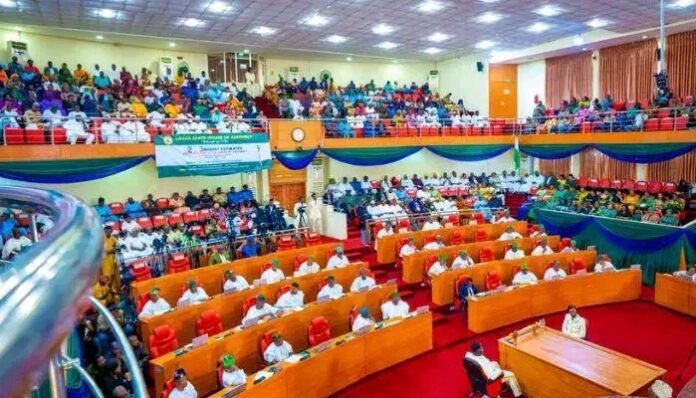
(DDM) — The Lagos State House of Assembly has recommended relocating residents of Makoko, the sprawling waterfront community, to a proposed low-cost housing estate in Epe, following a series of recent demolitions in the area.
Makoko, often referred to as the “Venice of Lagos,” has long faced infrastructure and urban planning challenges, with residents living in informal settlements on stilts above the Lagos Lagoon. Recent demolitions targeting unapproved structures have reignited debates about the city’s approach to housing, urban renewal, and social welfare.
The recommendation aims to provide affected families with affordable, planned housing, away from flood-prone and densely populated zones, while addressing long-standing safety and sanitation concerns.
Officials emphasized that the proposed Epe estate would include basic amenities, improved access to utilities, and a structured layout to ensure residents have better living conditions compared to the previous informal settlement.
The relocation plan is expected to be phased, with government authorities promising engagement and support for affected families, including options for resettlement compensation and temporary shelters during the transition.
While the assembly’s recommendation seeks to balance urban development with social welfare, critics argue that previous relocation efforts in Lagos have sometimes displaced residents without adequate support, raising concerns about livelihoods, community cohesion, and access to jobs and schools.
The proposed move is part of broader urban renewal initiatives in Lagos, where authorities have consistently struggled to manage informal settlements amid population growth, environmental challenges, and economic pressures.
As discussions continue, both residents and urban planners will be watching closely to see how Lagos State balances development priorities with social justice and community rights in implementing the Makoko relocation.
(DDM) — Renewed hostilities involving Iran have significantly escalated across the Persian Gulf and Arabian Peninsula, with drones striking near Dubai International Airport and commercial vessels hit in the strategic Strait of Hormuz, in the latest chapter of the widening Middle East conflict.
Here’s what you need to know about the unfolding situation.
Drone Strikes Near Dubai Airport
On Wednesday, two Iranian drones struck near Dubai International Airport, one of the world’s busiest aviation hubs, injuring four people, including nationals from India, Ghana, and Bangladesh, authorities confirmed.
The Dubai Media Office said flights continued normally despite the nearby attacks, and there was no visible damage to the airport’s core facilities, though the injuries highlight how the conflict is spilling across borders into civilian infrastructure.
Ships Hit in the Strait of Hormuz
In separate incidents, multiple commercial ships were struck by projectiles in or near the Strait of Hormuz, a key global shipping lane through which around 20% of the world’s oil supply passes.
At least three vessels, including cargo ships and container carriers, were hit, with one catching fire. Crews were forced to abandon ship but were safely rescued.
The escalation in attacks on merchant vessels has raised alarm for global energy markets, already unsettled by the regional conflict. Disruptions in the Strait could ripple through oil prices and global supply chains.
Why the Gulf Matters
The Persian Gulf region is not only a strategic hub for global energy exports, but also home to some of the busiest air routes worldwide. Disruptions there reverberate far beyond regional borders:
The UAE, including Dubai, is a global banking and transport hub.
The Strait of Hormuz sees trillions of dollars’ worth of crude oil and liquefied natural gas flow each year.
Even brief interruptions can push up fuel costs and affect economies far from the Middle East.
A Broader Conflict
These attacks come amid intense hostilities between Iran and a coalition including the United States and Israel, which began with airstrikes on Iranian territory and have since widened.
Iran’s military command has also announced intentions to target financial centres, raising concerns about economic as well as physical infrastructure being drawn into the conflict.
International Response and Risk
While the UAE has tried to maintain open operations at Dubai International Airport, aviation authorities in Qatar, Kuwait, and other Gulf states have previously closed airspace due to similar threats.
The ongoing attacks have also prompted widespread flight disruptions in the region, with major carriers forced to reroute flights and cancel schedules, marking the biggest Gulf aviation crisis since the pandemic.
What Comes Next?
As diplomatic tensions continue to rise, analysts warn that further escalation could:
Drive oil prices higher, affecting global markets
Increase risks to civilian shipping and air travel
Draw in broader geopolitical actors through economic or military pressure
The situation remains fluid, with developments likely to unfold rapidly, particularly as regional powers and international stakeholders assess how to protect critical infrastructure and global supply routes amidst growing instability.
(DDM) – Italy’s Prime Minister, Giorgia Meloni, has strongly condemned a deadly missile strike on a girls’ school in southern Iran that killed dozens of children, calling the incident a “massacre” and urging that those responsible be held accountable.
Speaking to lawmakers in Rome on Wednesday, Meloni described the attack on the school in the port city of Minab as a horrific tragedy and expressed her condolences to the families of the very young victims. She emphasized that civilian and children’s safety must be protected and insisted on a swift investigation to identify those behind the strike.
The missile strike occurred on February 28, during the early phase of the ongoing Middle East conflict, and Iranian media reported that at least 165 people were killed — most of them schoolgirls. Iran has accused the United States and Israel of carrying out the strike, a claim that has fueled international debate. The U.S. government said it is investigating, while Israeli officials have denied involvement.
Meloni’s comments came during a parliamentary session in which she also addressed the broader conflict, which has escalated into one of the most serious geopolitical crises in recent years. While Italy has maintained diplomatic ties with both the United States and its NATO partners, Meloni stressed that responsibility for the school attack must be determined and that international norms protecting civilians should be upheld.
Her condemnation represented one of the clearest and most forceful expressions of concern by a Western leader regarding the strike on children, a subject that has drawn global outrage. Lawmakers from both the ruling coalition and opposition benches reportedly applauded her call for accountability and civilian protection.
The attack on the school has intensified global scrutiny of the conflict’s humanitarian toll, especially on vulnerable populations. International human rights groups have condemned the loss of innocent lives and called for stronger measures to protect civilians amid expanding hostilities. Independent verification of the situation remains difficult due to restricted access to the affected area.
Meloni’s remarks come at a time when the broader conflict is reshaping diplomatic alignments and prompting debates within European capitals about security, humanitarian law, and the role of international institutions in preventing civilian harm. Her comments underscore mounting pressure on world leaders to respond to crises that increasingly blur the lines between political strategy and humanitarian obligation.
As investigations continue and global diplomatic reactions unfold, the incident remains a stark reminder of the human cost of the Middle East conflict and the urgent need for mechanisms that prevent such tragedies.
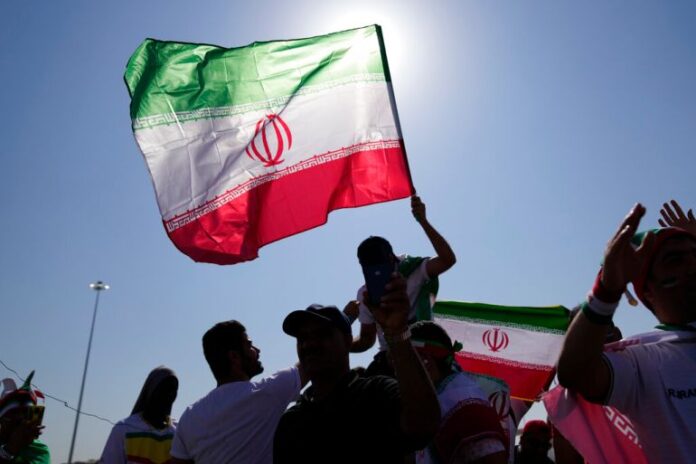
(DDM) – Gianni Infantino says Donald Trump has confirmed that Iran will be allowed to compete in the 2026 FIFA World Cup despite rising geopolitical tensions involving the country.
DDM notes that the confirmation followed discussions between Infantino and Trump regarding preparations for the tournament, which will be jointly hosted by the United States, Canada and Mexico.
The assurance comes at a sensitive moment as tensions in the Middle East continue to escalate, raising broader questions about how global sporting events operate during periods of political conflict.
Here is what to know about the issue.
Why Iran’s participation became a global question
Iran’s potential participation in the 2026 tournament has drawn attention because of its strained diplomatic relations with the United States.
The United States has imposed multiple sanctions on Iran over the years, particularly related to nuclear development and regional security concerns.
These tensions have occasionally raised concerns about travel restrictions for Iranian officials and citizens entering the United States.
Because several World Cup matches will be hosted in American cities, analysts questioned whether Iran’s national team could face entry barriers if it qualifies.
Infantino’s statement appears to address those concerns by confirming that the team would be permitted to compete.
How the World Cup hosting arrangement works
The 2026 tournament will be the first in history to be jointly hosted by three countries.
Matches will be played across multiple stadiums in the United States, Canada and Mexico.
The tournament will also expand from 32 teams to 48 teams, making it the largest World Cup ever organized.
This expanded format means more national teams from different regions will have an opportunity to qualify.
Iran has historically been one of Asia’s strongest teams and has appeared regularly in recent World Cups.
Why politics and football sometimes collide
International football has frequently intersected with global politics.
Diplomatic tensions between countries have occasionally affected visa approvals, security arrangements and travel logistics for international sporting events.
However, FIFA traditionally insists that qualified teams must be allowed to participate regardless of political disagreements.
The governing body argues that football competitions should remain neutral platforms where nations compete on the field rather than through politics.
What this means for the 2026 World Cup
Infantino’s remarks signal that FIFA expects the tournament to proceed without restrictions on qualified teams.
The assurance from Trump also suggests the United States government is willing to allow Iranian players and officials to enter the country for the event.
This could help prevent diplomatic complications that might otherwise disrupt tournament planning.
For organizers, maintaining open participation is crucial because the World Cup is the most watched sporting event on the planet.
The 2026 edition is expected to attract billions of viewers worldwide.
Officials hope the tournament will demonstrate how sport can still unite people globally even during periods of political tension.
For now, FIFA says preparations for the competition are continuing across North America as qualification matches progress in different regions.
(DDM) – Nigeria’s Defence Minister, Mohammed Badaru Abubakar, says terrorist groups across the country are suffering significant losses as the military intensifies nationwide security operations.
The minister stated that Nigeria’s armed forces have increased pressure on insurgent groups operating in different parts of the country.
According to him, ongoing offensives have weakened several terrorist networks and disrupted their activities.
Badaru explained that the military is currently conducting coordinated operations across multiple conflict zones.
These include counter-insurgency operations against Boko Haram and Islamic State West Africa Province in the North-East.
Security forces are also tackling armed banditry and kidnapping networks in several northern states.
The Defence Minister said troops are maintaining sustained ground and air operations aimed at dismantling terrorist camps and logistics bases.
He added that the armed forces have recorded notable successes in recent engagements with insurgents.
According to him, several terrorists have been neutralized during recent military raids.
Others have reportedly been forced to abandon their hideouts due to sustained pressure from troops.
Badaru emphasized that the Nigerian military remains committed to protecting the country’s territorial integrity.
He noted that security agencies are working closely with intelligence units to track and disrupt terrorist movements.
The Defence Minister also acknowledged the sacrifices of military personnel deployed in difficult combat environments.
Nigeria’s armed forces, including the Nigerian Army, Nigerian Air Force and Nigerian Navy, continue to coordinate operations across various theatres.
Major military campaigns are ongoing in regions such as the North-East and parts of the North-West where insecurity remains a major challenge.
Over the years, terrorist and bandit groups have carried out attacks on communities, military installations and infrastructure.
These attacks have resulted in thousands of deaths and the displacement of millions of civilians.
Nigeria has therefore maintained sustained counter-terrorism operations to weaken insurgent groups and restore stability.
Security experts say the intensity of military operations often increases when intelligence indicates the presence of terrorist strongholds.
They note that coordinated air and ground offensives can significantly disrupt militant networks.
However, analysts also warn that long-term success requires improved intelligence gathering, community cooperation and development efforts in conflict-affected regions.
The Defence Minister assured Nigerians that the government will continue strengthening the country’s security architecture.
He said the armed forces remain determined to eliminate terrorist threats and ensure lasting peace across the nation.
Reflecting on the life-changing night in August 2024, Babangida Ibrahim recalls that the sudden seizure brought more confusion than pain, instantly shattering what had been a peaceful evening.
Ibrahim had gone to bed healthy and unaware that his brain was about to signal a serious neurological emergency that would test his assumptions about illness, faith, and Nigeria’s healthcare system.
While asleep, his body jerked violently, and he lost consciousness without warning.
His wife, Zainab, witnessed the frightening episode and later explained he had suffered a seizure.
Ibrahim remembered nothing about the event, no sensation, no discomfort, no history of illness, only the unsettling realisation that something beyond ordinary stress had interrupted his life suddenly.
Like many Nigerians, his first instinct was hesitation rather than hospital care, as he attributed the seizure to stress, overwork, or exhaustion, hoping rest alone would prevent recurrence.
Another seizure followed within days, and conversations with friends gradually shifted explanations away from medicine toward spiritual interpretations and informal advice shaped by cultural familiarity.
Extended family members suggested unseen forces, jealousy, or spiritual attack, reflecting common narratives that often shape health decisions before professional diagnosis enters the conversation.
Herbal mixtures were prepared carefully, incense burned, soaps recommended, and traditional remedies offered sincerely, demonstrating community support yet delaying biomedical investigation of the underlying neurological problem.
In spite of repeated episodes, Ibrahim postponed hospital evaluation, partly due to fear of medical environments and partly due to belief that symptoms might resolve without invasive intervention.
The turning point came publicly when he collapsed at a roadside grill, losing consciousness before strangers who immediately transported him to Maitama Clinic for emergency stabilisation.
Doctors at Maitama Clinic provided first aid, monitored his vitals, and firmly advised neurological consultation, interrupting the cycle of speculation and marking the first decisive step toward diagnosis.
A neurologist prescribed anti-seizure medication, which Ibrahim took consistently for several months, achieving seizure control that created stability necessary for deeper diagnostic investigation.
With symptoms controlled, an MRI scan was ordered, revealing a meningioma, a non-cancerous but space-occupying brain tumour compressing tissue and triggering abnormal electrical activity.
The neurologist referred him to the Federal Medical Centre Jabi for specialist neurosurgical evaluation, shifting care into Nigeria’s tertiary health system.
There, Consultant Neurosurgeon Douglas Okor, reviewed detailed imaging and replaced spiritual interpretations with anatomical explanation grounded in clinical evidence and neurophysiology.
He showed Ibrahim the tumour’s location on digital scans, explaining how pressure on surrounding brain tissue disrupted electrical pathways and produced recurrent seizures.
Okor outlined three treatment pathways: radiation therapy, prolonged steroid management, or surgical excision, carefully weighing risks, benefits, and long-term implications for neurological health.
Radiation was unsuitable because the tumour had grown significantly, while steroids offered temporary relief but carried risks of immune suppression and systemic complications.
Surgery, though complex, offered definitive removal and long-term resolution, challenging the widespread assumption that advanced neurosurgical procedures require treatment abroad for safety and success.
On Feb. 7, 2025, a multidisciplinary surgical team at FMC Jabi performed a lengthy craniotomy, removing the tumour and reconstructing the skull in a carefully coordinated procedure.
Post-operatively, Ibrahim was admitted into intensive care for structured monitoring involving neurologists, nurses, physiotherapists, and cardiologists working within defined recovery protocols.
Medication schedules, neurological observations, mobility assessments, and cardiovascular checks were documented systematically, reflecting coordinated institutional response rather than isolated emergency action.
A follow-up MRI confirmed complete tumour removal, providing objective radiological evidence supporting the surgery’s success and eliminating the structural cause of Ibrahim’s seizures.
One year later, he remains seizure-free, cognitively stable, and professionally active, with family members and colleagues observing no decline in memory, speech, or reasoning ability.
His recovery offers measurable outcome indicators, including sustained employment, absence of neurological deficits, and documented imaging results demonstrating effective local surgical capacity.
Observers say facilities such as FMC Jabi and the National Hospital Abuja illustrate that complex neurosurgical services exist within Nigeria’s public tertiary framework.
Ibrahim’s delayed hospital visit underscores how cultural interpretation, stigma, and limited confidence in institutions shape patient behaviour and prolong exposure to preventable medical risk.
Clear physician communication transformed understanding, as visual explanation of imaging replaced fear with knowledge, enabling informed consent and trust in domestic medical expertise.
The case highlights the importance of functioning referral pathways, from emergency clinic to neurologist to tertiary neurosurgery, demonstrating systemic coordination when accessed promptly.
Medical analysts say it also reveals that seizure control through medication can create diagnostic stability, preventing crisis escalation while enabling comprehensive imaging and specialist planning.
In spite of this success, barriers remain significant, including financial costs of MRI scans, surgical procedures, postoperative care, and medication that may deter lower-income patients nationwide.
Workforce shortages, uneven distribution of specialists, and infrastructure disparities across states limit uniform replication of such outcomes in rural or under-resourced regions.
Equipment maintenance, supply chain challenges, and inconsistent health insurance coverage further constrain equitable access to advanced neurosurgical interventions across Nigeria.
Even at tertiary centres, high patient loads can strain capacity, emphasising the need for broader systemic investment beyond individual success stories.
After surgery, Ibrahim spent three days in intensive care before gradual transfer to the ward, where monitored rehabilitation strengthened mobility and ensured neurological stability.
Family members observed improvements daily, noting clear speech, stable reasoning, and absence of seizures, reinforcing confidence in both medical outcome and domestic expertise.
On Feb. 7, Ibrahim marked one year since surgery, publicly acknowledging the surgical team and encouraging others to seek early professional evaluation.
Ibrahim’s wife describes fear transformed into gratitude.
“I urge patients to prioritise hospital consultation, prescribed medication adherence, and diagnostic imaging,’’ she said.
Colleagues report sustained productivity and leadership, while his son Musab reflects on restored hope through evidence-based care rather than prolonged uncertainty.
Okor situates the case within Nigeria’s broader health reform discourse, acknowledging structural challenges while emphasising that committed teams can deliver advanced care locally.
He advises immediate tertiary evaluation for seizures, severe headaches, stroke-like symptoms, or sudden loss of consciousness, warning against dangerous diagnostic delay.
Ibrahim’s journey illustrates that solutions exist within Nigeria’s healthcare system when early presentation, accurate diagnosis, and coordinated specialist response converge effectively.
Recently Dr Ali Pate, the Coordinating Minister of Health and Social Welfare, said that efforts were being made to boost the local capacity to deal with emergencies.
“We have a national eye hospital, an ear hospital; so, there are those specialisations that are available.
“The issue is that many of us do not really know the depth of what exists in Nigeria; and so we run around without knowing that there are certain things that we can get here,’’ he said.
It is worth noting that aside from Ibrahim, Nigeria has previously recorded successful brain surgeries locally.
Ultimately, stakeholders say restoring health begins not with overseas travel, but with informed trust in capable hands working within local institutions committed to saving lives.
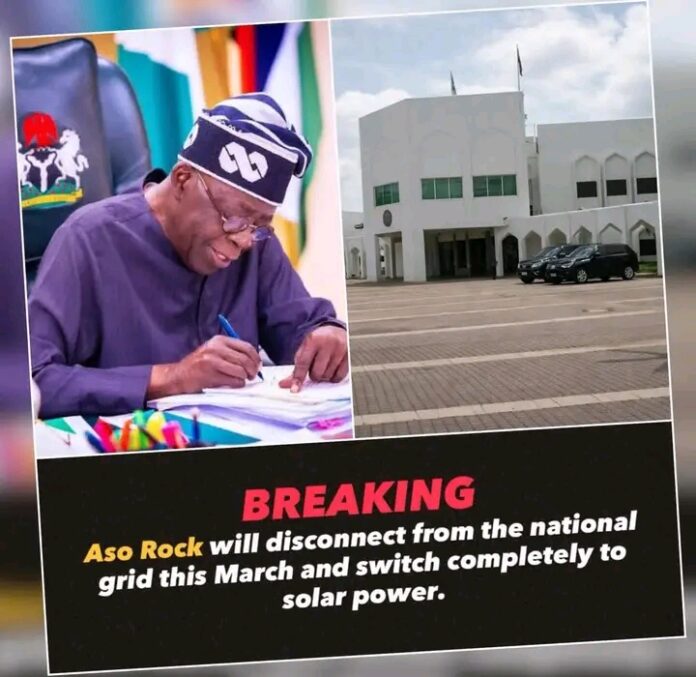
(DDM) – Nigeria’s seat of power is preparing to abandon the national electricity grid, a move that is already raising difficult questions about the country’s long-standing power crisis.
Diaspora Digital Media (DDM) gathered that the Aso Rock Presidential Villa will disconnect from the national grid by March 2026 and begin generating its own electricity through a dedicated solar power system.
The announcement was disclosed by officials from the State House.
The project involves installing a large solar energy facility with battery storage capable of powering the entire presidential complex.
Solar panels will generate electricity during the day.
Stored battery power will then supply electricity at night and during cloudy periods.
Officials say the goal is to guarantee a constant 24-hour electricity supply for the Presidential Villa.
But the decision has sparked debate across Nigeria because it comes against the backdrop of persistent electricity shortages nationwide.
Why the decision is controversial
Nigeria has struggled with unstable electricity for decades.
The national grid frequently suffers system collapses and widespread outages.
Millions of homes and businesses rely on expensive diesel generators to survive.
Critics say the decision for the Presidential Villa to abandon the grid sends a troubling message.
It suggests the government may be solving power problems internally while ordinary citizens continue to face unreliable electricity.
The political context
The controversy is heightened because reliable electricity was a key campaign promise during the 2023 elections.
President Bola Ahmed Tinubu repeatedly pledged to improve Nigeria’s electricity supply if elected.
He promised reforms aimed at stabilizing the national grid and boosting power generation.
Three years later, many Nigerians still experience daily power outages.
For some critics, the Presidential Villa’s move appears to contradict the broader goal of fixing the national power system.
Nigeria’s power reality
Nigeria’s electricity generation capacity remains far below demand.
The country of over 200 million people typically generates between 3,500 and 5,000 megawatts for the national grid.
Energy experts say Nigeria needs at least 30,000 megawatts to meet basic demand.
The shortage has forced institutions, companies, and households to develop independent electricity solutions.
Many businesses now rely heavily on solar power systems, inverters, and diesel generators.
The Presidential Villa’s decision reflects this growing shift toward off-grid electricity.
Why solar is becoming attractive
Solar power is gaining popularity in Nigeria because of the country’s strong sunlight throughout the year.
Solar systems can provide reliable electricity without relying on the national grid.
Battery storage allows solar energy to power buildings overnight.
Although the initial installation cost can be high, solar energy often becomes cheaper over time compared to diesel generators.
This is one reason many Nigerian banks, hospitals, universities, and offices are now installing solar power systems.
What it means going forward
Supporters of the Villa’s solar project argue that critical government facilities must have uninterrupted electricity for security and operational reasons.
However, critics say the move highlights the urgent need to fix Nigeria’s national grid.
If the country’s most important government complex cannot depend on the national grid, many Nigerians ask what hope exists for ordinary citizens.
For now, the plan for Aso Rock Presidential Villa to operate independently of the grid may guarantee power inside the seat of government.
But it also underscores a deeper national challenge.
Until Nigeria fixes its electricity system, more institutions may continue to abandon the grid entirely, leaving millions of citizens trapped in a costly cycle of generators and unreliable power.
Ilebaye Odiniya, winner of Big Brother Naija All Stars, is drawing attention online after reportedly undergoing a face and nose rejuvenation lift aimed at enhancing her features and giving her a refreshed, youthful appearance.
Photos and clips circulating on social media show the reality TV star looking noticeably radiant, with fans pointing out subtle changes around her facial structure and nose area. Many supporters have praised the transformation, saying the procedure appears natural and complements her already striking beauty.
Ilebaye, who rose to prominence after winning the highly competitive BBNaija All Stars season, has continued to build her brand through endorsements, public appearances, and social media influence. Her recent appearance has sparked conversations among fans, with many applauding her confidence and her decision to invest in her appearance.
Cosmetic enhancement procedures such as facial lifts and nose refinements have become increasingly common among celebrities and public figures around the world. For many, the goal is not dramatic change but rather a refreshed, balanced look that highlights their natural features.
Despite the discussions online, a large number of fans have flooded her comment sections with compliments, saying she looks “glowing,” “elegant,” and “absolutely stunning.” Others noted that her confidence and evolving style continue to make her one of the most talked-about personalities to come out of the BBNaija franchise.
Since her win on Big Brother Naija All Stars, Ilebaye has remained in the spotlight, with many viewers continuing to follow her journey as she navigates fame, business opportunities, and personal growth.
For now, the reality star appears to be enjoying the positive reactions from fans, many of whom say the refreshed look only adds to the charm that helped her win the hearts of viewers during her time in the BBNaija house.
NEW YORK, NY - MARCH 14: Jaden Smith attends the "Allegiant" New York premiere at AMC Lincoln Square Theater on March 14, 2016 in New York City. (Photo by D Dipasupil/Getty Images)
Jaden Smith turned heads once again during the latest Louis Vuitton fashion show in Paris after arriving with an unusual accessory a giant handbag shaped like a miniature house.
The bold fashion statement quickly became one of the most talked-about moments from the event, with cameras capturing the actor, musician, and creative entrepreneur confidently carrying the oversized architectural-style bag as he walked into the show. The piece immediately sparked conversation across social media, with fans and fashion critics alike reacting to the striking look.
Jaden, the son of Hollywood star Will Smith, has long been known for his fearless approach to style and his willingness to challenge traditional fashion norms. Over the years, he has built a reputation for experimenting with unconventional silhouettes, gender-fluid clothing, and statement accessories that often blur the line between fashion and art.
Industry insiders have frequently described him as a trailblazing fashion icon, noting how his style choices continue to influence younger audiences and push creative boundaries within the fashion world. His appearances at major runway shows often become viral moments because of the unexpected elements he brings to red-carpet and front-row fashion.
The house-shaped handbag, which perfectly matched the avant-garde tone of the Paris show, quickly became one of the standout accessories of the event. Fashion commentators praised the look as playful and imaginative, while others said it reflected the increasingly experimental direction luxury fashion is taking.
Jaden has previously collaborated with several major brands and has walked runways, appeared in campaigns, and attended some of the biggest fashion events around the world. His presence at shows like Louis Vuitton’s continues to reinforce his role as one of the most recognizable young figures in modern fashion culture.
As images from the event circulated online, many fans applauded his confidence and creativity, saying the moment perfectly captured why he is often celebrated as one of the most daring personalities in the fashion industry today.
A close friend of Elena, the woman who reportedly lost her life during a cosmetic procedure, has spoken out publicly while demanding answers and accountability from the hospital where the surgery was carried out.
Speaking during a gathering organized by friends and supporters, the woman said they were determined to seek justice and clarity about what exactly happened during the procedure. According to her, the group plans to continue pressing for information from the medical facility involved.
“There’s nothing wrong with someone doing BBL surgery to fix their body,” she said while addressing the situation. “We are coming out in numbers to ask the hospital what happened to our friend, Elena. We need justice.”
The cosmetic procedure in question, commonly known as a Brazilian Butt Lift (BBL), has grown increasingly popular around the world in recent years. The surgery typically involves transferring fat from
other parts of the body to enhance the shape and size of the buttocks. However, medical experts have repeatedly warned that the procedure carries significant risks if not performed under strict medical standards.
Friends of Elena say she had hoped the surgery would boost her confidence and improve her appearance, but the outcome has left them devastated. Many of them have expressed frustration that the circumstances surrounding her death remain unclear.
The group has called on the hospital and relevant authorities to provide a full explanation of the events leading up to the procedure and what may have gone wrong during surgery. They are also urging health regulators to investigate the case thoroughly.
According to supporters, their goal is not only to get justice for Elena but also to ensure that similar tragedies do not happen to other people seeking cosmetic procedures.
The incident has sparked broader discussions online about the safety of cosmetic surgeries, particularly BBL procedures, which have been described by some medical professionals as one of the more complex and high-risk aesthetic operations.
Many social media users have shared messages of sympathy with Elena’s family and friends, while others have called for stricter regulation and oversight of cosmetic surgery clinics.
For Elena’s friends, the focus now remains on uncovering the truth and ensuring that those responsible are held accountable if any negligence is found.
Cattle market in Kano gets multi-million naira upgrade
…says decision part of efforts to reposition service
The governor of Kano State Abba Kabir Yusuf has fired the State Head of Service, Alhaji Abdullahi Musa with immediate effect.
Musa’s removal was disclosed in a statement issued by the governor’s spokesman, Sunusi Bature Dawakin Tofa.
He said the decision is part of the ongoing efforts by the present administration to reposition the state civil service for greater efficiency, discipline, and improved service delivery across all government institutions.
The spokesman said governor Yusuf expressed appreciation to the outgoing Head of Service for his contributions and dedication to the service of Kano State during his tenure.
“We wish him the best in his future endeavours and pray for his continued success in all aspects of life,” the statement said.
Yusuf directed Hajiya Bilkisu Shehu Maimota, the Permanent Secretary, Admin and General Services at the Cabinet Office, to serve in acting capacity pending the appointment of a substantive Head of Service.
“By this announcement, the outgoing Head of Service is directed to handover the affairs of the office to the Ag. Head of Service latest tomorrow, Wednesday 11th March, 2026,” the statement added.
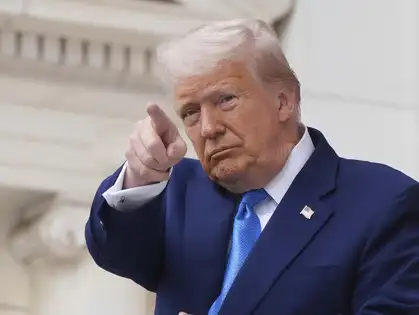
United States President Donald Trump has warned Iran of severe military consequences after reports emerged that Tehran had begun laying naval mines in the strategic Strait of Hormuz, a critical global shipping route.
The warning followed intelligence reports cited by international media indicating that Iran had deployed a small number of mines in the waterway, which carries roughly 20 percent of the world’s crude oil shipments.
In a post on his Truth Social platform, Trump demanded the immediate removal of any mines placed in the strait.
“If Iran has put out any mines in the Hormuz Strait, we want them removed immediately,” the U.S. president said.
“If they are not removed forthwith, the military consequences to Iran will be at a level never seen before.”
Trump added that removing the mines would be considered a positive step toward reducing tensions in the region.
The president also claimed that U.S. forces had already destroyed several suspected mine-laying vessels operating in the area.
“I am pleased to report that within the last few hours, we have hit and completely destroyed ten inactive mine-laying boats or ships, with more to follow,” he said.
According to analysts, the Islamic Revolutionary Guard Corps (IRGC), which controls much of Iran’s naval activity in the strait, has the capacity to deploy multiple mine-laying boats, explosive-laden vessels and shore-based missile systems capable of threatening ships passing through the narrow channel.
The Strait of Hormuz is one of the world’s most important energy chokepoints, linking the Persian Gulf to global markets. Any disruption to shipping through the route could significantly affect global oil supply and fuel prices.
Iran has previously warned that vessels attempting to pass through the strait during the conflict could be targeted.
Since the escalation of fighting involving the United States and Israel, the waterway has become increasingly dangerous for commercial shipping.
Energy markets have already reacted to the tensions, with concerns that prolonged disruption in the strait could tighten global oil supplies and push prices higher.
Digestive health plays a crucial role in overall well-being, yet many people ignore early warning signs that their stomach may not be functioning properly. Poor diet, dehydration, infections, and unhealthy lifestyle habits can disrupt the digestive system, leading to discomfort and long-term health problems.
Health experts note that while the stomach naturally cleans and protects itself, certain symptoms may signal that the digestive system is struggling and needs attention. Recognizing these signs early can help prevent more serious complications.
Here are five common warning signs that your stomach may be unhealthy, along with steps you can take to improve digestive health.
Persistent Bloating and Excess Gas
Frequent bloating or excessive gas after meals may indicate poor digestion or an imbalance of gut bacteria. This can occur when the stomach struggles to break down food properly.
To improve digestion, experts recommend eating slowly, reducing intake of highly processed foods, and including fiber-rich foods such as fruits, vegetables, and whole grains in daily meals.
Chronic Constipation
Constipation occurs when bowel movements become infrequent or difficult to pass. This condition can cause abdominal discomfort and may signal that the digestive tract is not functioning efficiently.
Drinking plenty of water, increasing dietary fiber, and engaging in regular physical activity can help stimulate bowel movements and improve gut health.
Frequent Heartburn or Acid Reflux
Repeated episodes of heartburn, burning sensations in the chest, or acid reflux may indicate irritation in the digestive tract. These symptoms often occur when stomach acid flows back into the esophagus.
Avoiding heavy meals late at night, limiting spicy or oily foods, and maintaining a healthy weight can help reduce acid reflux symptoms.
Bad Breath Linked to Digestive Issues
Persistent bad breath, even after brushing and maintaining oral hygiene, may sometimes be linked to digestive problems. Poor digestion can allow food to remain in the stomach longer than normal, leading to unpleasant odors.
Drinking enough water, maintaining regular eating patterns, and consuming probiotic foods such as yogurt can support healthier digestion.
Frequent Stomach Discomfort or Pain
Regular stomach pain, cramps, or discomfort after eating may signal irritation in the digestive system or sensitivity to certain foods.
Identifying food triggers, avoiding overeating, and maintaining balanced meals can help reduce stomach irritation. If symptoms persist, medical consultation is advised.
How to Maintain a Healthy Stomach
Health professionals emphasize that the stomach does not require harsh “cleansing” methods often promoted online. Instead, maintaining digestive health involves simple lifestyle practices such as:
Drinking adequate water daily
Eating fiber-rich foods
Including probiotic foods in the diet
Exercising regularly
Avoiding excessive alcohol and highly processed foods
In addition, individuals experiencing severe or persistent digestive symptoms are encouraged to seek medical advice to rule out underlying conditions.
Maintaining a healthy digestive system is essential for nutrient absorption, energy levels, and overall health. By paying attention to early warning signs and adopting healthier habits, individuals can significantly improve their stomach health and prevent future complications.
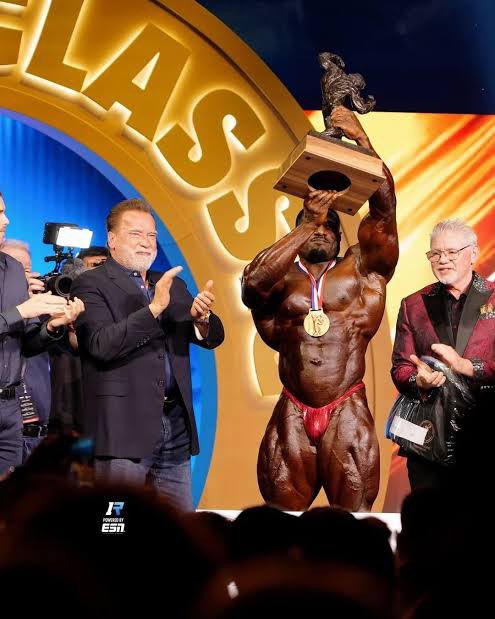
Nigerian bodybuilding star Chinedu Andrew Obiekea, popularly known as Andrew Jacked, has made history after winning the prestigious Arnold Classic in 2026, securing a massive prize of
The victory marks a huge milestone in Andrew Jacked’s career and further cements his reputation as one of the most dominant physiques in modern bodybuilding. Competing against some of the world’s best athletes, the Nigerian bodybuilder impressed judges with his incredible muscle definition, symmetry, conditioning, and stage presence.
The Arnold Classic, founded by legendary bodybuilder and actor Arnold Schwarzenegger, is widely regarded as one of the most important competitions in professional bodybuilding, second only to the Mr. Olympia contest. Winning the title places Andrew Jacked among the elite athletes in the sport.
During the final round of the competition, Andrew Jacked stood out for his exceptional physique and confident performance, earning top scores from the judging panel. His victory not only brought him the championship trophy but also the impressive $750,000 prize, one of the largest payouts in bodybuilding competitions.
Fans and supporters across Nigeria and the global fitness community have celebrated the achievement, praising Andrew Jacked for representing the country on the international stage. Many see his success as a source of inspiration for young athletes and fitness enthusiasts who aspire to pursue careers in bodybuilding.
Over the past few years, Andrew Jacked has built a strong reputation in the professional bodybuilding world, gaining recognition for his towering frame, aesthetic proportions, and disciplined training routine. His rise in the sport has been closely followed by fans who admire his dedication and work ethic.
With this Arnold Classic victory now added to his growing list of achievements, Andrew Jacked continues to strengthen his position as one of the leading figures in the sport and one of Africa’s most successful bodybuilding exports.
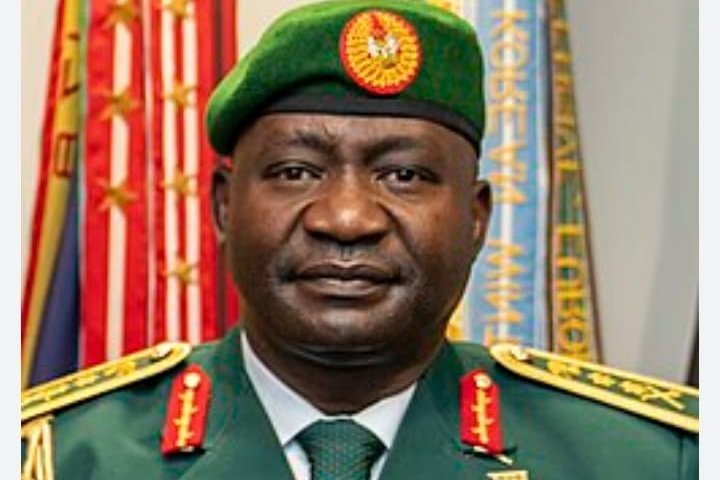
General Christopher Musa, Nigeria's Chief of Defence Staff
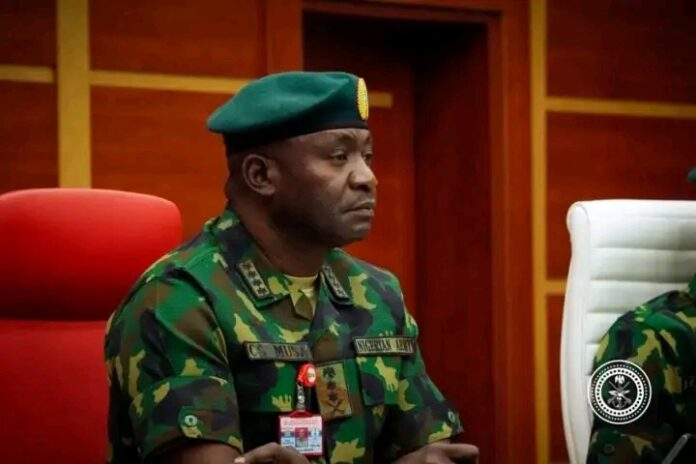
Nigeria’s Minister of Defence, Christopher Musa, has summoned the country’s top military commanders to an emergency meeting following a series of recent attacks on military formations in the North-East.
The meeting, currently taking place at the headquarters of the Ministry of Defence Nigeria in Abuja, is aimed at reviewing military strategies to address the worsening security situation in the region.
Among those attending the meeting are the Chief of Defence Staff, Olufemi Oluyede; the Chief of Army Staff, Waidi Shaibu; the Chief of Air Staff, Sunday Aneke; and the Chief of Naval Staff, Idi Abass. Representatives of the National Intelligence Agency are also present.
The meeting comes amid a surge in attacks by suspected terrorists on military bases in the North-East, particularly in Borno State.
Reports indicate that at least three Commanding Officers holding the rank of Lieutenant-Colonel were recently killed during separate attacks by insurgents in the region.
In addition to the slain officers, several soldiers were also killed, while hundreds of civilians reportedly abducted by the insurgents remain in captivity.
Speaking briefly before the meeting proceeded into a closed-door session, Musa said the gathering was intended to reassess ongoing military operations and strengthen the fight against terrorist groups.
“We know we have recorded some casualties, but it is more on the side of the terrorists,” the retired four-star general said.
The Defence Ministry is expected to announce further measures after the high-level security meeting. More details are expected to emerge as discussions continue.
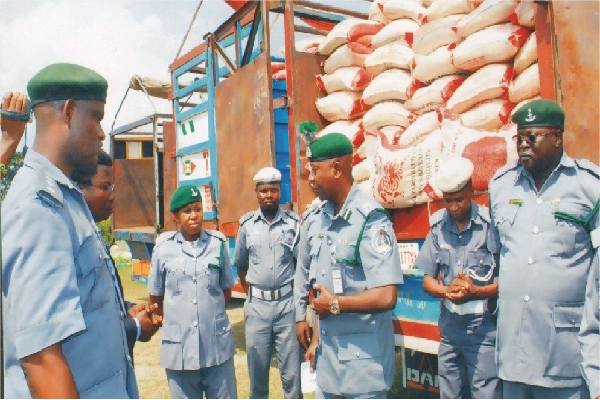
Operatives of the Nigeria Customs Service (NCS) showcase a cache of seized items
By Agency Report
The Nigeria Customs Service (NCS), Kano/Jigawa Area Command, says it intercepted various smuggled goods with a Duty Paid Value (DPV) of N1.1 billion between Jan. 1 and March 10, 2026.
The Acting Customs Area Controller of the command, Deputy Comptroller Usman Umar-Adamu, disclosed this at his maiden press briefing on Tuesday at the Customs House, Bompai, Kano.
He said the seizures were made through intelligence-driven operations, coordinated patrols and strategic surveillance across major routes and border corridors in Kano and Jigawa.
He said the operations were aimed at protecting Nigeria’s economy, safeguarding public health and preventing illicit cross-border trade.
“Within the period under review, the command recorded detentions and seizures of nine major items with a total DPV of N1,1 billion,” he said.
The controller noted that the command intercepted foreign currencies, including 106,500 U.S. dollars, 134,256 Saudi Riyals, 28 Chinese Yuan and 20 Ghana Cedis at the Mallam Aminu Kano International Airport on Jan. 5.
He added that 1,447 pieces of smuggled used pneumatic tyres valued at N28.2 million were seized on Jan. 14 along the Yan Awaki area of the Eastern Bypass in Kano.
Umar-Adamu said two smuggled Dong Feng vehicles intercepted along Kano–Hadejia and Maiduguri roads concealed six silver metal bars weighing 12.2 kilogrammes with a DPV of N61 million.
He said another passenger was later intercepted with 22.8 kilogrammes of undeclared silver metal bars concealed in baggage.
The controller said the suspects, currencies and precious metals were handed over to the Economic and Financial Crimes Commission (EFCC) for further investigation.
He further said operatives intercepted a bus conveying 35 bales of second-hand clothing valued at N17.5 million and 10 kegs of foreign vegetable oil along the Babura axis in Jigawa.
Umar-Adamu also disclosed that 503 master cartons of Pregabalin 300mg capsules, suspected to be fake and without NAFDAC registration, were intercepted at the airport.
He said the consignment, totalling over 15 million tablets valued at N729.9 million, had been handed over to the National Agency for Food and Drug Administration and Control (NAFDAC).
He added that the command also intercepted wildlife items, including a lion cub and pangolins.
Meanwhile, the controller also handed over the seized pharmaceutical products to NAFDAC for further investigation.
Umar-Adamu also handed over the live Pangolin to National Environmental Standards and Regulations Enforcement Agency (NESREA).
Responding, NAFDAC Director-General, Prof. Mojisola Adeyeye, represented by Dr Martins Iluyomade, commended Customs for the collaboration in combating counterfeit medicines.
Adeyeye said the seizure of more than 15 million capsules of Pregabalin had prevented dangerous drugs from reaching the Nigerian market.
Global oil prices rose sharply on Wednesday, climbing by more than five percent after a brief dip earlier in the week, as market volatility continued amid the ongoing Middle East conflict and recent fuel price adjustments by Dangote Petroleum Refinery.
Market data showed that Brent crude rose to $92.43 per barrel as of 10:56 a.m. WAT, marking a 5.27 percent increase.
The global benchmark had fallen to around $88 per barrel on Tuesday after previously surging above $100 per barrel on Monday.
Similarly, the main U.S. crude benchmark, West Texas Intermediate, climbed 5.9 percent to $88.38 per barrel.
The surge in global oil prices followed a decision by Dangote Petroleum Refinery to reduce the gantry price of Premium Motor Spirit (PMS), commonly known as petrol.
According to the company’s Chief Communications Officer, Anthony Chiejina, the refinery reduced the price by ₦100 per litre, bringing it down from ₦1,175 to ₦1,075 per litre.
Petrol supplied through coastal distribution channels will now be sold at ₦1,050 per litre, reflecting differences in logistics and distribution costs.
In a statement, the refinery said the adjustment was intended to reflect developments in the global oil market.
“As responsible corporate citizens operating in a high-governance code and ethical environment, we believe it is imperative to reduce the price of our products as a reflection of the decline in global crude oil prices,” the company said.
The refinery also explained that crude purchased under the naira-for-crude arrangement is still priced based on international benchmark rates and converted to naira using the prevailing exchange rate.
The latest reduction marks the first price cut after three successive increases in recent weeks that had pushed petrol prices significantly higher.
Earlier, the refinery’s Chief Executive Officer, David Bird, noted that the facility remains exposed to fluctuations in global oil prices because its crude supply is benchmarked against international markets.
Oil markets have remained highly unstable since the outbreak of the conflict involving the United States, Iran and Israel, which has disrupted energy supply routes and raised fears of broader regional escalation.
The crisis has pushed global oil prices upward and contributed to increased petrol prices in several countries, including Nigeria.
In response to the potential impact of rising fuel costs on transportation, President Bola Tinubu has ordered the deployment of 100,000 Compressed Natural Gas (CNG) conversion kits across Nigeria.
The Executive Chairman of the Presidential Initiative on Compressed Natural Gas, Ismaeel Ahmed, disclosed this after a meeting with the president at the State House in Abuja.
According to Ahmed, the initiative aims to enable vehicle owners and commercial tricycle operators to convert their engines from petrol to CNG, helping to reduce transportation costs and limit the impact of global oil market shocks.
He added that distribution of the kits is expected to begin within two to three weeks.
Despite major advances in modern medicine, Leprosy a disease once feared and widely misunderstood continues to affect thousands of people around the world each year, health experts say.
Also known medically as Hansen’s disease, leprosy is a chronic infectious illness caused by bacteria that primarily affect the skin, peripheral nerves, and mucous membranes. Although the disease is curable, delayed diagnosis and stigma remain major barriers to treatment in many parts of the world.
According to the World Health Organization, more than 200,000 new cases of leprosy are reported globally each year, with many cases occurring in developing countries where access to early healthcare services may be limited.
How the Disease Spreads
Medical researchers say leprosy spreads through prolonged, close contact with untreated infected individuals, typically through droplets released from the nose and mouth during coughing or sneezing.
However, experts stress that the disease is not highly contagious, and most people who come into contact with the bacteria do not develop the illness because their immune systems can fight the infection.
Early Symptoms Often Overlooked
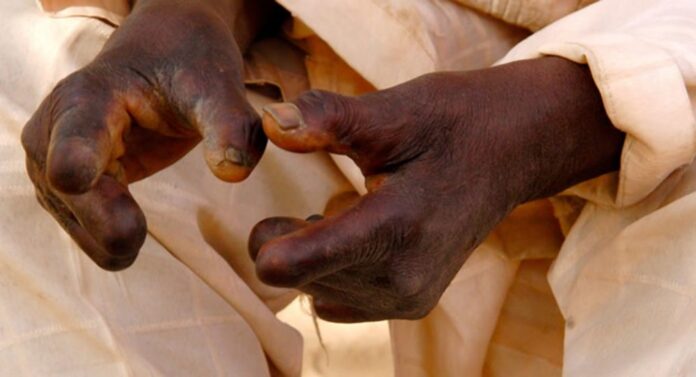
One of the challenges in controlling leprosy is that early symptoms can be subtle and easily overlooked. Initial signs often include patches of discolored skin, numbness in affected areas, muscle weakness, or a loss of sensation in the hands and feet.
If left untreated, the infection can damage nerves and lead to permanent disability, including deformities of the hands, feet, and face.
Treatment and Recovery
Health professionals emphasize that leprosy is completely curable with proper treatment. The standard treatment recommended by the World Health Organization is multidrug therapy, a combination of antibiotics that effectively kills the bacteria and stops the disease from progressing.
Early diagnosis and treatment are crucial in preventing nerve damage and long-term complications.
Fighting Stigma and Misconceptions
Despite medical progress, people affected by leprosy often face social stigma and discrimination. Public health experts say misinformation about the disease continues to discourage many individuals from seeking early medical care.
Advocates are calling for increased public awareness campaigns to educate communities about the true nature of the disease and emphasize that it is both treatable and preventable.
Global Efforts to Eliminate the Disease
International health organisations continue to work toward reducing new cases and eliminating the disease as a public health problem. Programs led by the World Health Organization and partner agencies focus on early detection, improved treatment access, and community education.
While significant progress has been made over the decades, health experts warn that continued awareness and sustained public health efforts are essential to ensure that leprosy eventually becomes a disease of the past.
Chief Judge of the Federal High Court, Justice John Tsoho
The Economic and Financial Crimes Commission (EFCC), has reportedly interrogated the Chief Judge of the Federal High Court, Justice John Tsoho, for several hours over the large sum of cash found in his wife’s possession.
A source at the anti-graft agency according to Sahara Reporters, said the interrogation was conducted on Tuesday.
“EFCC interrogated the Chief Judge, Tsoho, for hours on Tuesday over his wife’s cash haul.”
This is coming after Justice Tsoho’s wife was intercepted by EFCC operatives while transiting to Benue State.
Diaspora Digital Media understand that she was subsequently returned to Abuja.
The EFCC operatives allegedly discovered $160,000 in cash in her possession at the time of the interception.
“She was intercepted by EFCC operatives while travelling to Benue State and was subsequently returned to Abuja,” a source said.
“$160,000 cash was reportedly found in her possession at the point of interception.”
Though, the circumstances surrounding the funds and the purpose of the trip have not yet been officially clarified.
The incident comes amid growing scrutiny surrounding Justice Tsoho.
Meanwhile, the Chief Judge is slated to appear before the Code of Conduct Bureau (CCB) on March 16, 2026, over allegations that he failed to declare his assets as required by law.
A petition accused Justice Tsoho of violating the Code of Conduct law by allegedly failing to fully disclose his assets, including three bank accounts with United Bank for Africa (UBA) and another with Access Bank.
If the Code of Conduct Bureau establishes a prima facie case, the anti-corruption body could initiate charges against the Chief Judge.
A conviction could attract a prison term of up to 10 years as well as a 10-year ban from holding public office.
In a statement issued last Monday, the Director of Information of the Federal High Court of Nigeria, Catherine Christopher, said the Chief Judge remained fully committed to cooperating with the bureau regarding its invitation.
The statement added that Justice Tsoho would appear before the bureau alongside his legal representative, Kanu Agabi (SAN), who was reported to be outside the country for medical reasons.
According to the court, the senior advocate has indicated his willingness to accompany the Chief Judge to the bureau upon his return to Nigeria.
“The Federal High Court of Nigeria wishes to clarify that the Honourable Chief Judge, Hon Justice John Terhemba Tsoho, remains fully committed to cooperating with the Code of Conduct Bureau (CCB) in respect of its invitation,” the statement read.
“In accordance with his constitutional right to consult and be represented by counsel of his choice, his legal representative, Kanu Godwin Agabi, CON, SAN, has indicated his readiness to accompany the Honourable Chief Judge to the Bureau upon his return to Nigeria, he being presently outside the country for medical reasons.”
Quitting smoking remains one of the most challenging health decisions for millions of people worldwide. While many smokers repeatedly promise themselves that their next cigarette will be the last, the addictive nature of tobacco often makes breaking the habit far more difficult than expected.
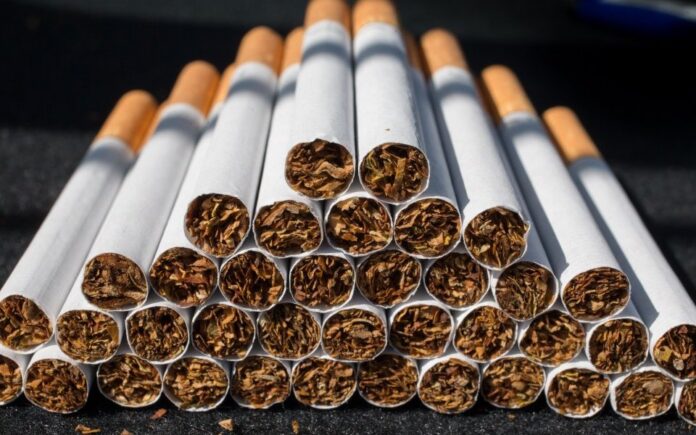
Health specialists say the struggle is not simply a matter of willpower. Cigarette smoking exposes the body to Nicotine, a highly addictive chemical that affects the brain and creates strong physical and psychological dependence.
According to the World Health Organization, tobacco use remains a major cause of preventable death globally, contributing to diseases such as Lung Cancer, Heart Disease, and Chronic Obstructive Pulmonary Disease.
Why Quitting Smoking Is So Difficult
Medical researchers explain that nicotine alters the brain’s reward system by triggering the release of Dopamine, a neurotransmitter associated with pleasure and satisfaction.
Over time, the brain begins to rely on nicotine to produce these pleasurable feelings. When a smoker tries to quit, the sudden absence of nicotine can lead to withdrawal symptoms such as irritability, anxiety, difficulty concentrating, and intense cravings.
Experts stress that these reactions are not signs of weakness but rather the body’s response to nicotine withdrawal.
The Body Begins to Heal Quickly
Despite the challenges of quitting, medical professionals emphasize that the body begins repairing itself almost immediately after smoking stops.
Within 20 minutes of the last cigarette, heart rate and blood pressure begin to decline. After 8 hours, levels of carbon monoxide in the blood drop significantly while oxygen levels rise. Within 24 hours, the risk of a heart attack already begins to decrease. After 48 hours, the senses of taste and smell begin to improve as damaged nerve endings start to recover.
Over the following two to twelve weeks, lung function gradually improves, making breathing easier. Within one year, the risk of developing heart disease is reduced by about half compared to someone who continues to smoke.
Long-term benefits are even more significant. After about 10 years, the risk of dying from lung cancer drops substantially compared with that of a continuing smoker.
Practical Steps to Quit Smoking
Health experts recommend several strategies to help smokers successfully break the habit.
One of the most effective steps is setting a specific quit date and mentally preparing for the change. Identifying triggers—such as stress, alcohol, or social situations—that lead to smoking can also help individuals replace the habit with healthier alternatives.
Managing cravings is another crucial part of the process. Experts suggest techniques such as deep breathing, physical activity, chewing gum, or drinking water to help overcome the urge to smoke.
A Healthier Future
Medical professionals warn that the damage caused by smoking often develops quietly over many years before serious symptoms appear. Persistent cough, breathlessness, and life-threatening diagnoses later in life are common consequences of long-term tobacco use.
However, experts emphasize that quitting smoking at any age can significantly improve health outcomes. Once a person stops smoking, lung function gradually improves, the heart works more efficiently, and overall wellbeing begins to recover.
Public health specialists say the message is clear: while quitting smoking may be difficult, the benefits for long-term health, financial savings, and quality of life make it one of the most important decisions a person can make.
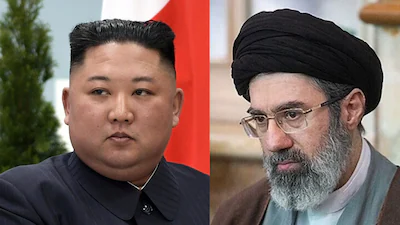
North Korea has expressed support for Mojtaba Khamenei as the new Supreme Leader of Iran, following his appointment after the death of his father, Ali Khamenei, during the early stages of the ongoing conflict involving the United States and Israel.
According to the state-run Korean Central News Agency (KCNA), Pyongyang said it respects the decision of the Iranian people to choose Mojtaba Khamenei as their new leader.
In a statement released Wednesday, North Korea’s Foreign Ministry also condemned what it described as “illegal” military attacks carried out by the United States and Israel against Iran.
The ministry accused the two countries of undermining global stability and threatening international peace through their actions.
North Korea has long maintained diplomatic ties with Iran and has frequently criticised U.S. military activities in the Middle East.
The statement comes as tensions continue to rise in the region following weeks of fighting between Iranian forces and U.S.-Israeli allies.
Analysts say Pyongyang’s support for Iran highlights the growing alignment among countries opposed to U.S. influence in global security matters.
FILE PHOTO: The South Korean and American flags fly next to each other at Yongin, South Korea, August 23, 2016. Picture taken on August 23, 2016. Courtesy Ken Scar/U.S. Army/Handout via REUTERS
Kim Yo Jong, the influential sister of North Korean leader Kim Jong Un, has criticised ongoing military exercises between United States and South Korea, describing them as provocative actions that could destabilise the region.
In a statement reported by Korean Central News Agency (KCNA), Kim said the joint drills demonstrate what she called the allies’ “habitual hostile policy” toward North Korea.
The annual Freedom Shield drills began this week and involve more than 18,000 troops from both countries. The exercises are scheduled to run from March 9 to March 19.
According to Kim, the operations are being conducted across land, sea, air, cyberspace and outer space, and amount to what she described as a “provocative and aggressive war rehearsal.”
She warned that the demonstrations of military power could lead to “terrible consequences that are unimaginable,” arguing that in modern conflicts there is little distinction between defensive drills and actual combat preparations.
However, officials from the United States and South Korea have rejected those claims, insisting the exercises are purely defensive and designed to strengthen readiness against potential threats from North Korea’s nuclear and missile programmes.
Military authorities from both countries also say the drills will support preparations for the eventual transfer of wartime operational control from U.S. forces to Seoul.
South Korea aims to complete the handover before the end of President Lee Jae Myung’s term in 2030.
Analysts say the exercises come at a sensitive time for Pyongyang as it closely watches global conflicts, including the war involving Iran, Israel, and the United States.
According to Lim Eul-chul, a North Korea expert at Kyungnam University, Pyongyang may see recent leadership-targeting military operations abroad as reinforcing the importance of maintaining its nuclear arsenal.
He said Kim Yo Jong’s remarks suggest North Korea views nuclear weapons as its most reliable deterrent and is determined not to face what it perceives as the fate of countries that lack such capabilities.
The criticism follows a Workers’ Party congress held in February, where Kim Jong Un reportedly vowed to continue expanding North Korea’s nuclear programme.