


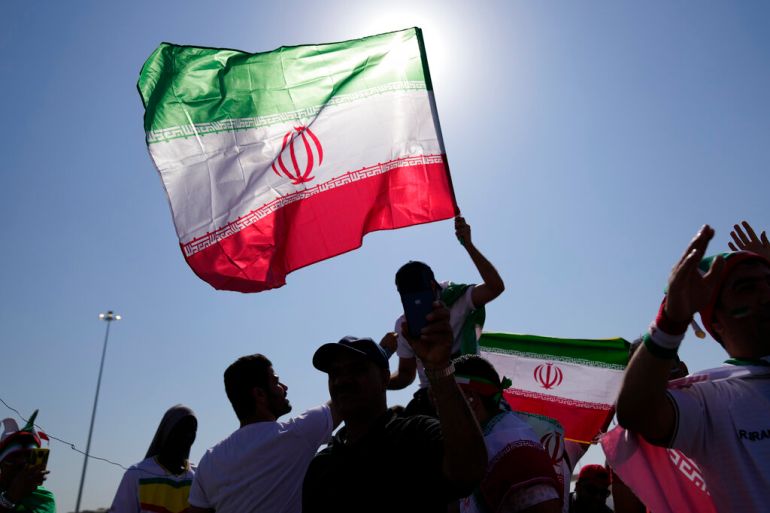
Iran has warned that global oil prices could surge to $200 per barrel as tensions in the Middle East intensify and attacks on shipping in the Gulf disrupt global energy supplies.
The warning came on Wednesday from Iranian military spokesperson Ebrahim Zolfaqari, who said the world should prepare for a sharp rise in oil prices if instability in the region continues.
“Get ready for oil to be $200 a barrel, because the oil price depends on regional security which you have destabilised,” Zolfaqari said in remarks directed at the United States.
The latest warning followed fresh maritime attacks in the Gulf, where three additional merchant vessels were reportedly struck by projectiles, according to maritime security agencies.

The incidents bring the total number of ships damaged since the conflict began to 14.
Among the affected vessels was a Thai-flagged bulk carrier, whose crew had to be evacuated after an explosion triggered a fire onboard.
A Japan-flagged container ship and a Marshall Islands-flagged bulk carrier also sustained damage.
The attacks come as shipping through the strategic Strait of Hormuz remains severely disrupted.
The narrow waterway normally carries about 20 percent of the world’s oil supply, making the current blockade one of the most serious disruptions to global energy markets since the oil crises of the 1970s.
Iran has continued to launch attacks across the region despite heavy bombardment from the United States and Israel.
Iranian forces said they recently fired missiles at a U.S. military base in northern Iraq, the U.S. naval headquarters in Bahrain, and targets in central Israel.
Explosions were also reported in Dubai after two drones crashed near the city’s airport, injuring four people.
Meanwhile, banks in Tehran were reportedly struck overnight. Zolfaqari warned that Iran could target financial institutions linked to the United States or Israel, advising residents across the region to stay at least 1,000 metres away from banks.
Khamenei’s Successor Reportedly Injured
An Iranian official told Reuters that Mojtaba Khamenei, who succeeded his father Ali Khamenei as Iran’s supreme leader earlier in the conflict, was lightly injured during early airstrikes that killed several members of his family.
According to the official, the strikes killed his father, mother, wife and one of his sons. Mojtaba Khamenei has not appeared publicly since the war began.
Oil prices initially surged to nearly $120 per barrel earlier this week before falling back to around $90, as investors speculated that U.S. President Donald Trump could soon end the conflict.
However, energy security concerns remain high, and governments are considering emergency measures.
The International Energy Agency is expected to recommend the release of 400 million barrels from global strategic reserves, the largest coordinated release in history.
Despite speculation that negotiations could emerge, Israeli officials say the military campaign is continuing.
Israel Katz, Israel’s defence minister, said operations would proceed without a time limit until all objectives were achieved.
“The operation will continue without any time limit, as long as required, until we achieve all objectives and win the campaign,” he said.
The war, which began after U.S. and Israeli strikes on Iran on February 28, has already caused heavy casualties. Iran’s ambassador to the United Nations, Amir Saeid Iravani, said more than 1,300 Iranian civilians have been killed in the bombardment.




