


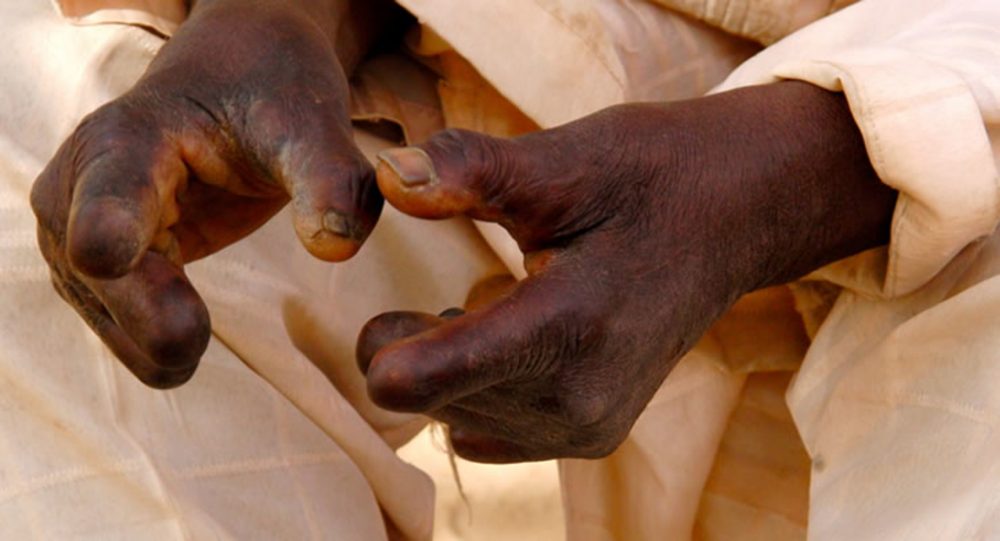
Despite major advances in modern medicine, Leprosy a disease once feared and widely misunderstood continues to affect thousands of people around the world each year, health experts say.
Also known medically as Hansen’s disease, leprosy is a chronic infectious illness caused by bacteria that primarily affect the skin, peripheral nerves, and mucous membranes. Although the disease is curable, delayed diagnosis and stigma remain major barriers to treatment in many parts of the world.
According to the World Health Organization, more than 200,000 new cases of leprosy are reported globally each year, with many cases occurring in developing countries where access to early healthcare services may be limited.
How the Disease Spreads
Medical researchers say leprosy spreads through prolonged, close contact with untreated infected individuals, typically through droplets released from the nose and mouth during coughing or sneezing.

However, experts stress that the disease is not highly contagious, and most people who come into contact with the bacteria do not develop the illness because their immune systems can fight the infection.
Early Symptoms Often Overlooked
One of the challenges in controlling leprosy is that early symptoms can be subtle and easily overlooked. Initial signs often include patches of discolored skin, numbness in affected areas, muscle weakness, or a loss of sensation in the hands and feet.
If left untreated, the infection can damage nerves and lead to permanent disability, including deformities of the hands, feet, and face.
Treatment and Recovery
Health professionals emphasize that leprosy is completely curable with proper treatment. The standard treatment recommended by the World Health Organization is multidrug therapy, a combination of antibiotics that effectively kills the bacteria and stops the disease from progressing.
Early diagnosis and treatment are crucial in preventing nerve damage and long-term complications.
Fighting Stigma and Misconceptions
Despite medical progress, people affected by leprosy often face social stigma and discrimination. Public health experts say misinformation about the disease continues to discourage many individuals from seeking early medical care.
Advocates are calling for increased public awareness campaigns to educate communities about the true nature of the disease and emphasize that it is both treatable and preventable.
Global Efforts to Eliminate the Disease
International health organisations continue to work toward reducing new cases and eliminating the disease as a public health problem. Programs led by the World Health Organization and partner agencies focus on early detection, improved treatment access, and community education.
While significant progress has been made over the decades, health experts warn that continued awareness and sustained public health efforts are essential to ensure that leprosy eventually becomes a disease of the past.




