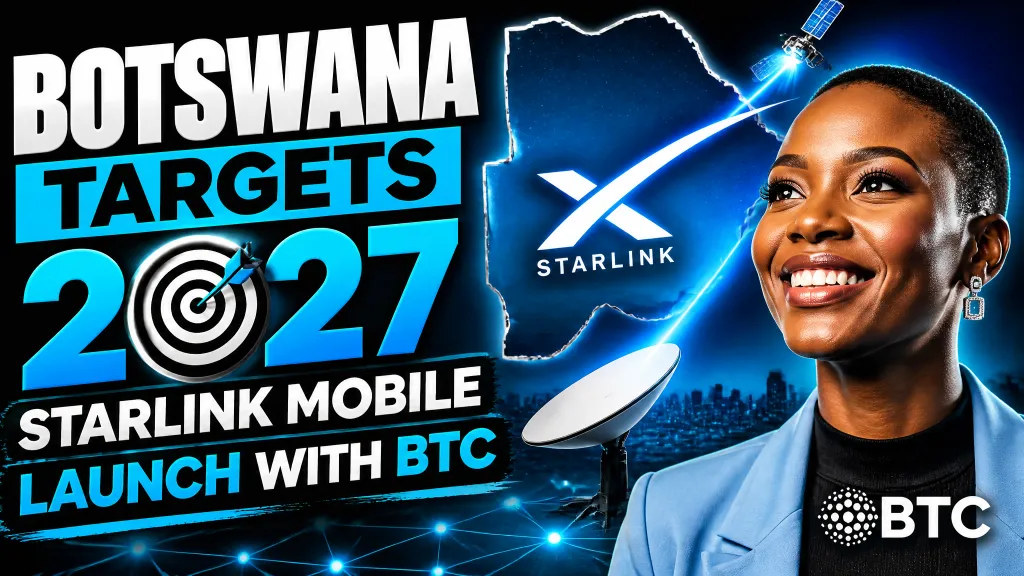
Botswana’s BTC and Starlink plan a 2027 satellite-to-mobile service, extending phone connectivity to remote areas without traditional mobile coverage.
Botswana’s state-owned Botswana Telecommunications Corporation (BTC) plans to launch a Starlink-powered satellite-to-mobile service in early 2027. Branded BTC Satellite, the service is intended to keep compatible phones connected where mobile networks do not reach. BTC chief executive Jürgen Peschel announced the partnership, which aims to support remote communities and industries. Here is what is known about the service and what remains undecided.
BTC Satellite partnership sets the 2027 launch target
BTC has partnered with Starlink, the satellite communications provider operated by SpaceX, to bring direct-to-mobile connectivity to Botswana. CEO Jürgen Peschel announced the plan during AfricaCom, according to his LinkedIn post and reports by ITWeb Africa and Developing Telecoms. He said the service should begin commercially at the start of 2027. That is a target, not confirmation that service is already available to customers.
BTC says the partnership will extend connectivity beyond conventional mobile networks. TechAfrica News independently confirmed the partnership, while ITWeb reported further service details. Customers cannot subscribe yet, based on the information published by the companies and outlets reviewed.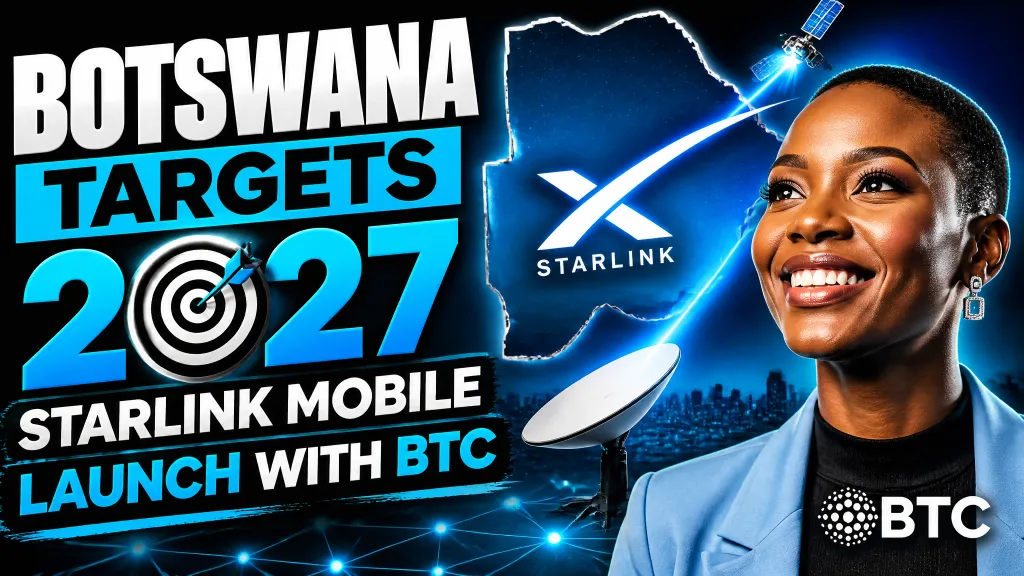
How Starlink satellite-to-mobile service is expected to work
The planned service will connect compatible phones directly to satellites when users move beyond terrestrial coverage. Peschel said users could keep their current smartphones and connect automatically after leaving tower coverage. This differs from Starlink home broadband, which requires a dedicated dish and router.
Starlink’s Direct to Cell technology uses satellites designed to function like cell towers in space. It works with mobile operators, which provide access to wireless spectrum. Starlink says its messaging service has operated in the United States and New Zealand. Botswana’s launch will depend on local deployment and applicable approvals.
Remote connectivity could support tourism and industry
BTC and media reports have highlighted tourism, mining, agriculture and wildlife conservation as potential beneficiaries. Botswana has sparsely populated areas where conventional mobile sites can be difficult to build. Better access could help visitors, workers and businesses communicate in places with weak or absent tower coverage. These are intended benefits, not measured results from an operating service.
ITWeb reports that BTC expects the service to support SMS, maps, WhatsApp calls and light browsing. Tourists might use maps or contact others outside ordinary coverage. Remote businesses could also benefit from basic communication. However, performance and feature availability will need confirmation as launch approaches.
Botswana’s Starlink plans follow satellite broadband
Starlink already provides satellite broadband in Botswana, a separate service that requires customer equipment. ITWeb and Developing Telecoms report that Botswana’s communications regulator licensed Starlink in May 2024. Technext24 reports that home broadband went live in August 2024. BTC Satellite is different: it is designed to connect mobile phones directly to satellites.
That distinction matters to customers. Existing broadband users need a Starlink dish, while BTC says its new service will work with compatible phones. However, no full device list or handset requirements have been released. Customers should wait for BTC’s official guidance before assuming their phone will connect.
Prices, compatible phones and service terms remain unknown
Several practical details have not been confirmed publicly. BTC has not released prices, a final supported-device list or complete service terms. Emergency calling arrangements and exact coverage conditions also remain unclear. Customers therefore cannot yet assess costs or rely on specific features during emergencies.
BTC and Starlink still need to explain how satellite access will work alongside existing mobile plans. The partnership aims to extend coverage, not replace ordinary networks. Satellite performance can depend on the service design and local conditions. BTC’s customer guidance should clarify these points before launch.
Peschel described the intended coverage and automatic phone connection in his announcement. He said: “The service will go commercial at the beginning of 2027, which makes Botswana the second market in Africa to launch 100% geographical coverage across the country. You can use your current smartphone and automatically connect to the satellite as soon as you exit terrestrial network coverage.” — Jürgen Peschel, CEO of BTC. The planned nationwide reach is a company target that still needs to be demonstrated in operation.
Ultimately, BTC and Starlink are preparing a satellite-to-mobile service to fill coverage gaps across Botswana. The early 2027 launch target and proposed uses are supported by BTC’s announcement and independent technology reporting. Prices, phone compatibility and final terms remain outstanding. The next milestone is detailed customer guidance ahead of launch.