A reported lender request to keep financed Nvidia chips on Earth highlights the financing and recovery risks facing orbital data centers.
SpaceX’s plan to borrow billions to acquire Nvidia chips has raised a financing question for its orbital data-center ambitions. The Financial Times reported that lenders sought to prevent chips purchased through the deal from being used in space. TechCrunch said it was unclear whether SpaceX agreed to that condition. The concern is practical: lenders use chips as collateral, but hardware in orbit would be hard to recover and resell.
SpaceX chip financing and collateral
The financing arrangement is designed to fund a large purchase of Nvidia chips for SpaceX’s data-center operations. TechCrunch described the chips as collateral that lenders could reclaim and resell if SpaceX defaulted. The Financial Times headline put the financing at about $40 billion. Tom’s Hardware described a $43 billion package, underscoring that reports have used different totals.
That difference does not change the core issue. A lender’s security depends partly on whether it can recover assets after a borrower defaults. Chips installed in a terrestrial data center can, in principle, be repossessed and sold. Hardware sent into orbit would create a more difficult recovery problem.
Orbital data centers and lender risk
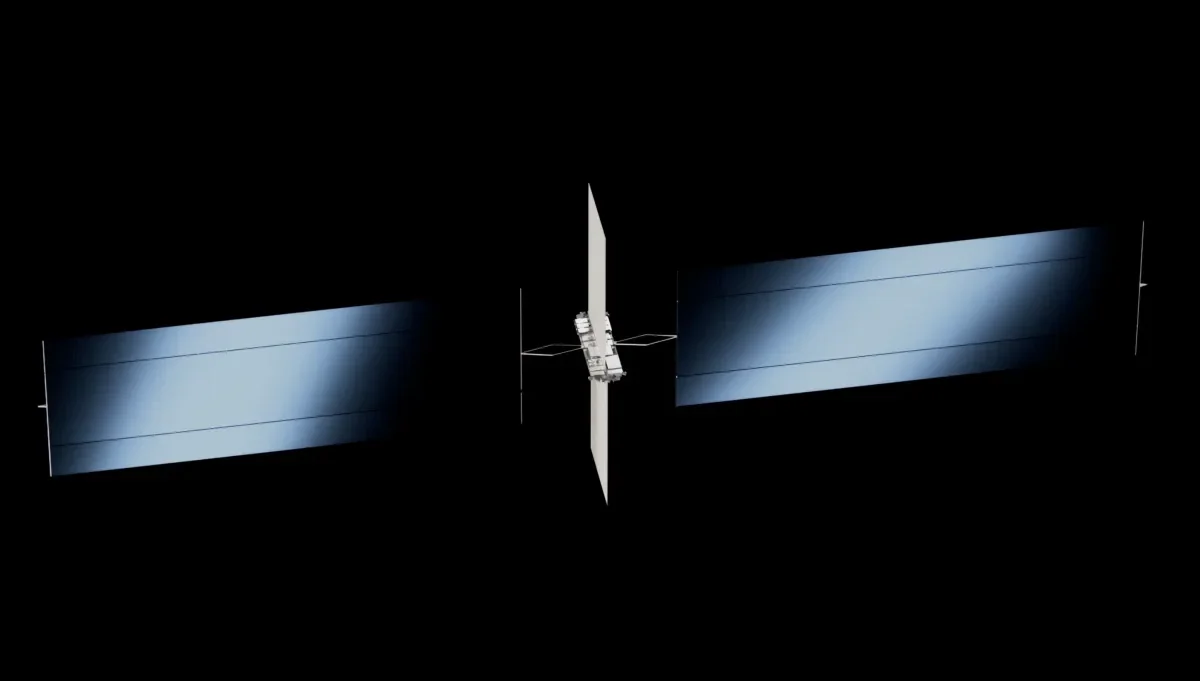
SpaceX has discussed building data centers in space, where satellites could carry computing equipment. TechCrunch noted that technical challenges include launching hardware and developing suitable rockets. The financing concern adds another hurdle: lenders may not want the assets securing a loan placed somewhere they cannot readily reach.
The reports differ on whether the lender restriction became binding. TechCrunch said it was unclear whether SpaceX accepted the request. Tom’s Hardware reported that SpaceX said the financed chips would be deployed only on Earth, while also noting that the signed debt documents might not contain an explicit Earth-only guarantee. The distinction matters because a public assurance and an enforceable contract term are not necessarily the same.
Nvidia chips in the space environment
The financing debate should not be confused with whether chips can operate in space at all. NASA has documented the use of commercial off-the-shelf electronics in space applications, but says such components require evaluation for radiation effects. Radiation can cause errors or damage, depending on the component and mission environment.
That does not mean every Nvidia chip is suitable for orbital service without modification, nor that every commercial chip must be rejected. Spacecraft designers may use shielding, redundancy and other engineering measures, but these add design and operating considerations. The financing reports focus on collateral recovery, not a technical determination that Nvidia hardware cannot function in orbit.
SpaceX data centers and terrestrial power
TechCrunch also noted that SpaceX is expanding computing infrastructure on Earth. Terrestrial facilities still face challenges, including access to land and power, local resistance and questions about future demand. The story said the company’s ground-based compute activity had generated revenue, but did not quantify it. Those projects may offer lenders assets that are easier to secure than satellites.
Elon Musk has described space as a future low-cost place to run data centers. “Cheapest” is his stated expectation, not an established comparison of operating costs. TechCrunch noted that the economics depend partly on reusable launch systems and the cost of returning rockets to service. Those costs and timelines remain uncertain.
Orbital data-center financing remains unsettled
Even if launch costs fall, financing terms will shape how quickly orbital infrastructure can develop. Lenders may require restrictions on where collateral can be deployed, or ask for other protections. Borrowers, meanwhile, need enough flexibility to pursue projects that may involve both ground and space systems. The SpaceX reports show that asset location can become a central issue in a large equipment-backed deal.
Ultimately, the lender request highlights a mismatch between orbital ambitions and conventional collateral-based financing. SpaceX says the chips will be used on Earth, but the reported contract language remains unclear. Whether lenders require explicit restrictions could influence future deals for space-based computing. The next step is clarity on the final financing documents.