Meta Description: Islamic cleric Sheikh Ahmad Gumi has called for the immediate dethronement of any Emir found guilty of immoral conduct as allegations against the Emir of Daura spark nationwide debate over traditional leadership and accountability.
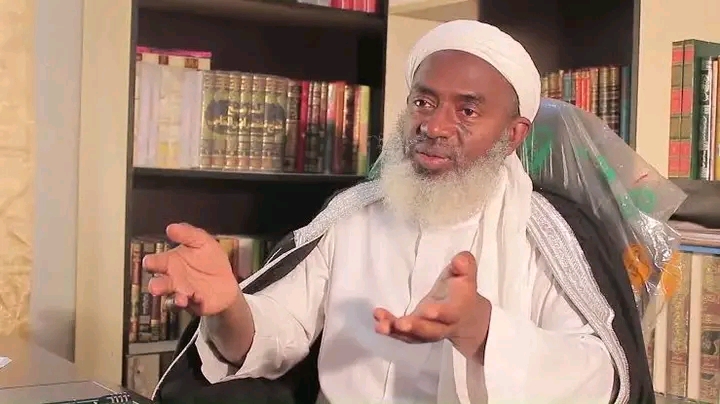
Islamic cleric Sheikh Ahmad Gumi has called for the immediate dethronement of any Emir found guilty of immoral conduct, arguing that traditional rulers must protect the dignity, integrity and credibility of the institutions they represent.
Gumi’s comments come amid growing controversy surrounding sexual harassment allegations against the Emir of Daura in Katsina State, Alhaji Faruk Umar Faruk, following an encounter with a Polish female tourist who accused the monarch of inappropriate behaviour during her visit to his palace.
The cleric made his position public in a Facebook post on Sunday, November 22, where he maintained that traditional rulers found guilty of conduct inconsistent with the responsibilities of their offices should not be allowed to remain on their thrones.
“Any Emir found guilty of immoral conduct should be removed and replaced immediately to safeguard the integrity, dignity and credibility of the traditional institution,” Gumi wrote.
Although Gumi did not specifically identify the Emir of Daura in his statement, the timing of his intervention has drawn attention because of the allegations currently surrounding the Katsina traditional institution.
The controversy began after a Polish tourist, identified on Instagram as @beduinqa, shared her account of an alleged uncomfortable encounter with the Emir during a visit to the Daura palace on Saturday, November 14.
According to her account, she was received at the palace and taken into a well-furnished room, where she sat with the monarch and engaged in a conversation.
What she initially expected to be a cultural experience and an opportunity to interact with an important traditional leader allegedly became an uncomfortable encounter.
The tourist claimed that the Emir held her hand and began playing with it before hugging and kissing her on the cheek. She further alleged that the situation escalated when the monarch touched her breasts without her consent.
She said she immediately objected to the alleged behaviour, repeatedly asking him not to touch her, but claimed that he laughed in response.
The tourist reportedly recorded portions of the encounter using Meta smart glasses. She subsequently shared footage and her account on social media after leaving Nigeria, triggering widespread reactions and calls for an explanation from the relevant authorities.
In her account, she expressed disappointment over the experience, particularly because she had travelled through different parts of Nigeria without encountering similar behaviour in public spaces.
The allegations quickly attracted attention beyond social media, placing the Daura Emirate under public scrutiny and raising questions about the conduct expected of traditional rulers when receiving visitors.
Amnesty International Nigeria also weighed in on the controversy, calling on the Katsina State Government and the Nigeria Police Force to investigate the allegations.
The human rights organisation stressed the importance of a transparent investigation, urging authorities to establish the facts and ensure that anyone found responsible is held accountable in accordance with the law.
Meanwhile, the Daura Emirate Council acknowledged the circulation of the video and indicated that it was examining the footage to determine its authenticity.
The emirate’s Sarkin Labaran Daura, Ibrahim Daura, reportedly said the council was reviewing the material and would communicate its position after completing its assessment.
A palace source also reportedly rejected the tourist’s account, describing the allegation as fabricated.
Katsina State Commissioner for Information, Culture and Tourism, Dr Bala Zango, said he had not watched the circulating footage and would examine it before making further comments.
The differing reactions have made an independent investigation particularly important, especially given the seriousness of the allegation and the public attention surrounding the traditional institution.
Gumi’s intervention has also reopened a wider conversation about accountability within Nigeria’s traditional leadership system.
Emirs and other traditional rulers occupy influential positions in their communities. Beyond their cultural and ceremonial responsibilities, they often serve as intermediaries between government institutions and local populations, contribute to conflict resolution and play important roles in maintaining social harmony.
Their positions are also closely associated with honour, discipline, hospitality and the preservation of cultural values.
Consequently, allegations of misconduct involving traditional rulers can have implications beyond the individuals concerned, potentially affecting public confidence in the institutions they represent.
However, the question of dethronement is not simply a matter of public outrage. Any decision to remove a traditional ruler must follow the applicable laws, established procedures and relevant findings by the appropriate authorities.
In the case of the Emir of Daura, the allegations have not been established as proven facts, and the outcome of any investigation will be central to determining what happened.
For Gumi, however, the broader principle remains that traditional authority should come with responsibility and that no Emir should retain his position if found guilty of conduct that undermines the dignity of the institution.