
The Gulf of Oman became the latest flashpoint in the US-Iran standoff on Sunday after American naval forces fired on and seized an Iranian-flagged cargo vessel that attempted to push through the US blockade the most direct military confrontation at sea since the crisis began.
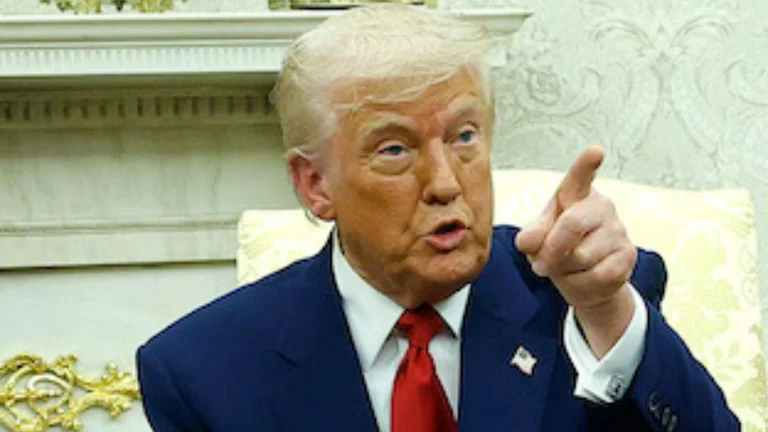
Donald Trump confirmed the incident, saying the ship ignored repeated warnings from a US Navy destroyer before being disabled and boarded by American forces.
The seizure marks a significant escalation, moving the conflict from the realm of economic pressure into direct military engagement on open water.
The timing could hardly be more sensitive. Washington is simultaneously preparing to send a diplomatic delegation to Islamabad led by Vice President JD Vance, alongside envoy Steve Witkoff and adviser Jared Kushner for another round of talks with Iran.

Tehran has yet to officially confirm whether it will participate, though sources suggest an Iranian team could arrive in Pakistan within days.
That both a naval seizure and fresh diplomatic outreach are happening in the same window captures the contradictory and volatile nature of this standoff.
Hormuz Grinds to a Halt
Ship-tracking data tells its own story. Not a single tanker passed through the Strait of Hormuz on Sunday a stark illustration of how completely the crisis has severed one of the world’s most critical energy arteries. Iran has made its position clear: the waterway stays closed for as long as the US blockade remains in force.
With roughly one-fifth of the world’s oil supply normally flowing through the strait, the economic consequences are spreading far beyond the region.