


China has criticised US policies toward Iran and Cuba, calling for respect for the sovereignty of Gulf countries and an end to what it described as threats against Cuba.
Speaking at the 81st United Nations General Assembly in New York on Saturday, Chinese Vice President Han Zheng did not name the United States directly but urged major powers to uphold international law and respect the sovereignty of countries in the Middle East.
“China holds that the sovereignty and security of countries in the Middle East, including the Gulf, should be respected,” Han said.
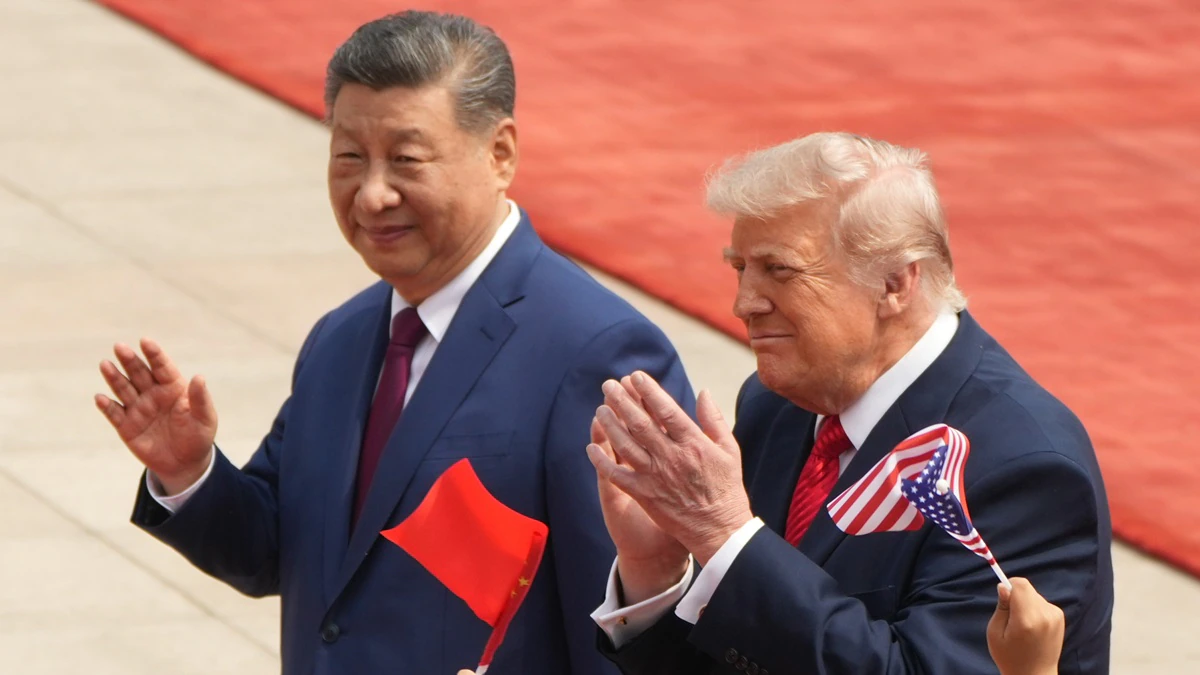
His remarks came days after US President Donald Trump hosted Chinese President Xi Jinping at the White House for talks on trade and other issues.

Trump had warned Xi against supporting Iran during the talks, according to the US ambassador to China.
The warning followed reports that China had supplied Iran with shoulder-fired air-defence systems and helped Tehran circumvent sanctions on its oil exports.
China has not publicly confirmed those allegations.
On Cuba, Han called on the US to end what Beijing described as a blockade and sanctions against the Caribbean nation.
“China urges the relevant country to immediately stop using threat of force against Cuba and immediately and completely lift the blockade and sanctions against Cuba,” he said.
Cuba’s power grid suffered a nationwide collapse earlier this month, leaving millions without electricity. The country has faced prolonged fuel shortages and problems with ageing power infrastructure.
Diaspora Digital Media reported that a US oil blockade imposed in January had worsened the situation, contributing to more frequent power outages and grid failures.
Hours after Han’s speech, Russian Foreign Minister Sergey Lavrov also called on Washington to lift what he described as a “siege” of Cuba and remove trade restrictions.
Lavrov further urged the US to remove Cuba from its list of state sponsors of terrorism.
China presents itself as developing nations’ partner
Han used his address to portray China as a defender of developing countries and a supporter of multilateralism.
“China holds that all countries, big or small, are equal members of the international community, and that world affairs should be handled by all through consultation,” he said.
The remarks came as tensions between Washington and Beijing remain over trade, technology and their differing positions on conflicts and international security issues.




