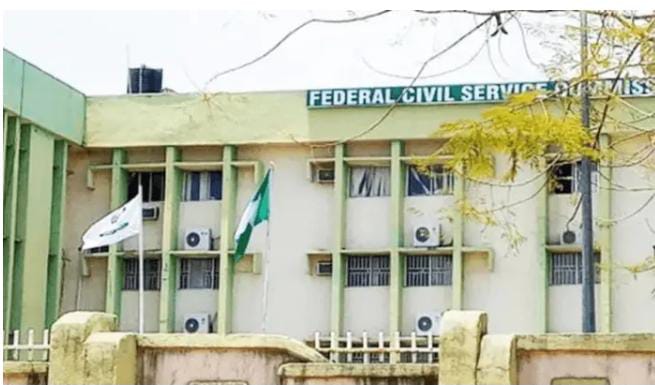
(DDM) – The 44th Annual National Council of Civil Service Commissions has ended in Umuahia with far-reaching resolutions designed to overhaul Nigeria’s public service structure between 2026 and 2030, focusing on merit-based recruitment, digital transformation, and institutional autonomy.
According to DDM correspondent, the Council issued a detailed communique on Thursday, endorsed by an eight-member drafting committee led by its chairman, Mr Balarabe Abubakar, outlining reforms meant to realign the nation’s civil service with global standards and long-term development goals.
The Council said the new framework will drive strategic repositioning and full professionalisation of the federal and state civil service systems, while ensuring strict adherence to competence, transparency, and evidence-based administrative practices.
It urged the Federal Civil Service Commission to identify and develop critical success indicators for pilot states, with Abia State selected as a model for domesticating and implementing the new strategic plan.
The communique further encouraged state civil service commissions to urgently deploy a human resource management information system, describing it as essential infrastructure for modern public service operations.

The Council also advised all states to review or develop their own strategic plans within the next 12 months, using the federal blueprint as a guide while ensuring strong financial backing from government budgets, development partners, and relevant NGOs.
According to the resolution, state governments should establish strategy implementation coordination units to oversee execution, monitoring, and periodic reporting, ensuring that plans do not end at policy level but translate into measurable outcomes.
The Council recommended a zero-tolerance policy against civil servants who falsify age, credentials, or any official records, warning that such practices undermine professionalism and public trust.
It further directed civil service commissions nationwide to restore merit as the decisive factor in recruitment and promotion, and to design objective formulas that foster diversity, inclusion, and balanced representation.
The Council noted that the theme of the meeting, “Repositioning Civil Service Commissions in Nigeria as a Hub of Professionalism in Public Service Human Resource Management,” aligns with the Federal Government’s Renewed Hope Agenda, the Federal Civil Service Strategy Implementation Plan, and Nigeria’s ambition of becoming a $1 trillion economy by 2030.
It emphasised the urgent need to address the rising JAPA syndrome by improving staff retention strategies, enhancing remuneration, and creating a conducive working environment capable of sustaining a high-quality workforce.
The communique also stressed the importance of prioritising structured training for all cadres of civil servants, raising concern over inadequate training budgets that threaten long-term professional development, merit-based promotions, and career progression.
Mr Balarabe Abubakar said states must allow their civil service commissions to execute constitutional responsibilities without political interference, warning that bureaucratic independence remains vital for building a competent workforce.
The five-day conference, declared open by Abia State Governor Alex Otti and represented by the Secretary to the State Government, Professor Kenneth Kalu, drew wide participation from key stakeholders across the federation.
The event was attended by the Chairman of the Federal Civil Service Commission, Professor Tunji Olaopa; chairmen and commissioners from civil service commissions of all 36 states; senior officials of the Federal Civil Service Commission; and the Chairman of the Abia State Civil Service Commission, Pst Mrs Enoh Jerry-Eze.
Discussions throughout the meeting reinforced the view that Nigeria’s civil service must rapidly evolve to meet modern governance demands and support national economic aspirations.
The Council concluded that effective implementation of the 2026-2030 strategic plan will determine whether Nigeria successfully rebuilds a strong, ethical, and globally competitive public service.