


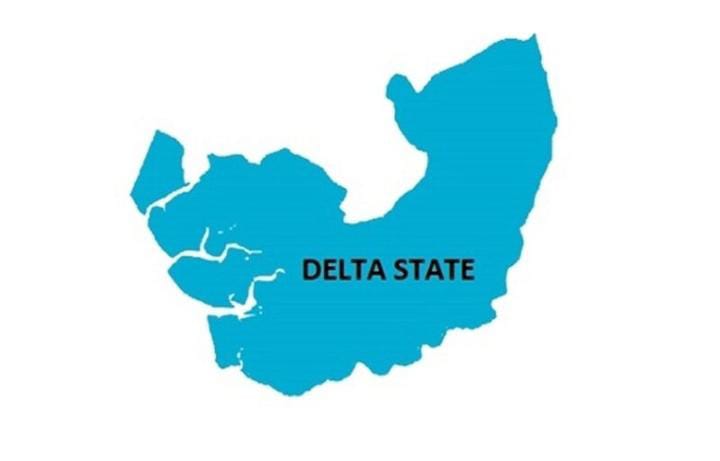
(DDM) – Delta State continues to celebrate its rich tapestry of languages and dialects, which shape daily life and preserve cultural identity across towns and riverine communities.
DDM gathered that these languages play a critical role in sustaining traditions, strengthening communal bonds, and passing history from one generation to another, ensuring the state’s diverse heritage remains vibrant.
On Tuesday, January 13, 2026, in Asaba, the Delta State capital, the significance of this linguistic diversity was highlighted in governance under Governor Sheriff Oborevwori’s administration.
Officials emphasized that development policies under the Governor’s MORE Agenda are designed to reach every people group, irrespective of language, ethnicity, or geographic location, demonstrating a commitment to inclusive governance.
The MORE Agenda, which stands for “Managing Opportunities for Results and Equity,” prioritizes inclusive growth, aiming to empower ethnic, rural, and riverine communities that have historically faced marginalization in state development planning.

State leaders explained that promoting unity does not require cultural uniformity; rather, it is built through shared progress, equitable access to resources, and respect for diverse traditions.
Government officials noted that the administration has implemented programs in education, health, infrastructure, and local governance that actively consider linguistic and cultural diversity in project planning and execution.
Community leaders praised the initiative, observing that policies that acknowledge and respect local languages foster a sense of belonging, civic engagement, and collaboration among residents.
Experts on social cohesion highlight that linguistic inclusion can serve as a tool for peacebuilding, conflict prevention, and strengthening democratic participation, particularly in multi-ethnic states like Delta.
The Oborevwori administration has also ensured that public communication and community outreach programs are delivered in local languages, allowing citizens in remote riverine areas to fully understand government initiatives and participate in decision-making processes.
Analysts note that this approach contrasts with past practices where development programs often neglected linguistic diversity, resulting in exclusion and diminished trust in governance.
The government insists that sustainable development in Delta State requires carrying every community along, recognizing cultural differences, and translating policy actions into tangible benefits for all residents.
Officials maintain that the MORE Agenda’s focus on inclusivity reflects a broader vision of equitable growth, social cohesion, and the promotion of unity without eroding the state’s cultural richness.
As Delta State continues to implement policies under the MORE Agenda, observers say that linguistic diversity is increasingly recognized as both a cultural treasure and a strategic tool for governance, bridging divides and fostering state-wide solidarity.
The administration reiterated that integrating every group into the development process is central to building a united, resilient, and forward-looking Delta State.



 and then